Spice Substitutes · Substitutes
Wattleseed Substitutes: Coffee, Cocoa, Hazelnut and What Each Covers
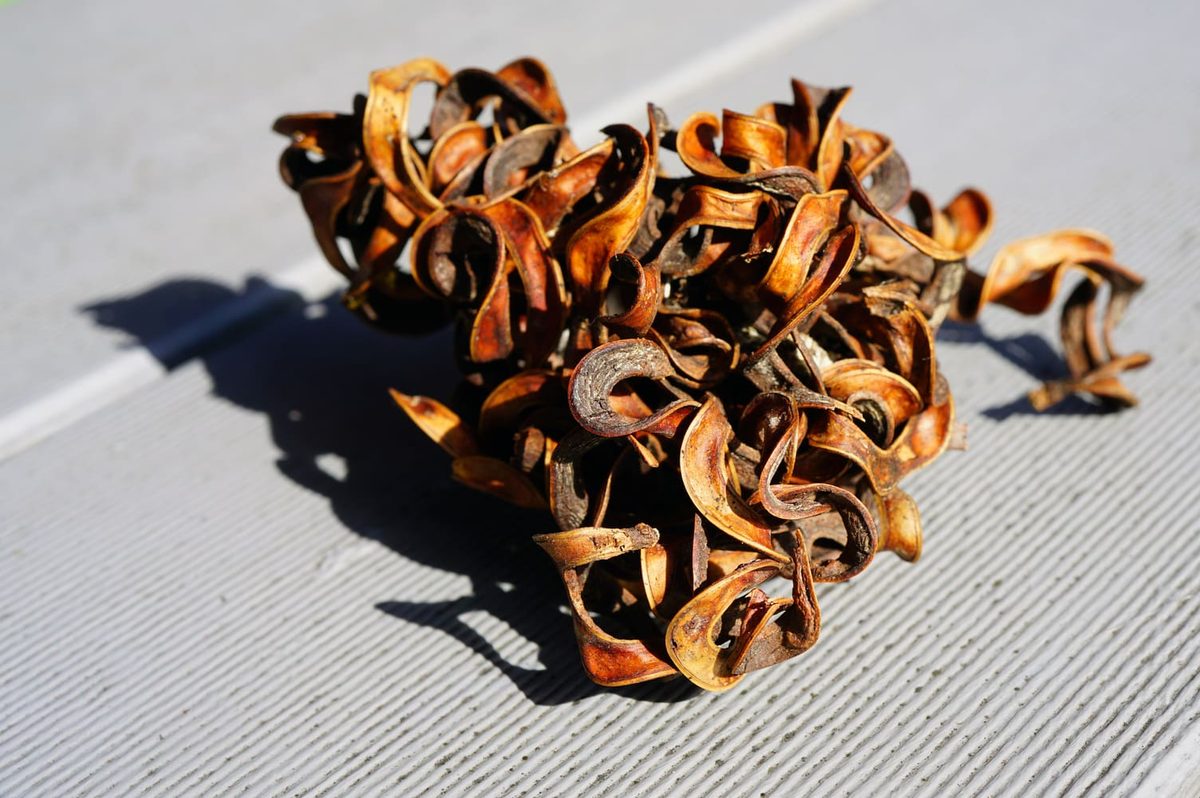
Wattleseed is the roasted, ground seed of certain Australian acacias. Acacia victoriae, the elegant wattle, is described as the most common edible species,1 and Kew lists it as a tree of Australia’s desert and dry shrubland.2 Warndu, an Aboriginal-owned food business, describes its aroma as roasted coffee, sweet spice, raisin and chocolate, and its flavor as savory, nutty and like a wheat biscuit.3 No study of wattleseed’s aroma compounds turned up for this review, so the substitutes below are matched on how sources describe its flavor, not on shared chemistry.
Quick answer
| What wattleseed is doing | Best substitute | Starting amount, per 1 tsp ground wattleseed | Treatment |
|---|---|---|---|
| Roasted, coffee-like note in ice cream, cream or mousse | Instant coffee or espresso powder | 1/2 tsp | Method |
| Coffee and chocolate together, in desserts or baking | Instant coffee plus unsweetened cocoa | 1/4 tsp each | Method |
| Nutty, toasty note in bread or cookies | Finely ground toasted hazelnuts | 1 to 2 tsp | Method |
| The same flavor, in liquid form | Wattleseed extract | Cherikoff: 2 to 3% usage rate | Attributed |
How the ratios on this page are labeled
Every ratio carries one of four labels.
- Computed: based on a measurable physical relationship, with the source named.
- Attributed: a named source publishes this ratio. We quote it as theirs.
- Disputed: named sources give different answers to the same swap. We show each one and do not average them.
- Method: we found no published ratio. We give a direction and a cautious starting point, and say so.
We found no published ratio for replacing wattleseed with anything. No source even gives a standard amount of wattleseed per recipe, so every starting amount here is a Method suggestion to adjust by taste.
If wattleseed is the roasted, coffee-like note
This is wattleseed’s best-known role. Warndu lists ice cream, sorbet, mousse, yogurt, cheesecake and whipped cream among its sweet uses,3 and says the seed is dried and roasted in a similar way to coffee.3
1. Coffee
The connection runs both ways. The Royal Society of Victoria notes that wattleseed is used as a coffee or hazelnut substitute,1 and Warndu sells it as a caffeine-free alternative to coffee, brewed like plunger (French press) coffee.3 So coffee covers wattleseed’s main note. What it lacks is the savory, wheat-biscuit and raisin side,3 and it adds caffeine and more bitterness. That last point is our judgment.
Ratio (Method): Use instant coffee or instant espresso powder, which dissolves into a custard or cream base. Start with half as much as the wattleseed called for, because coffee is the more concentrated flavor in our judgment, then taste. In a recipe that steeps wattleseed in hot milk or cream, you can steep coarsely ground coffee the same way and strain it.
2. Coffee with a little cocoa
Warndu names chocolate among wattleseed’s aroma notes,3 and Vic Cherikoff, who sells wattleseed, describes its flavor as a combination of coffee, chocolate and hazelnut.4 A pinch of cocoa alongside the coffee brings the substitute closer.
Ratio (Method): For each teaspoon of wattleseed, start with 1/4 teaspoon instant coffee and 1/4 teaspoon unsweetened cocoa powder. Neither figure is tested; adjust next time.
If wattleseed is the nutty, toasty note
In bread, biscuits and cookies, wattleseed adds a nutty, roasted depth. Warndu says it goes well in bread.3
1. Toasted hazelnuts
Hazelnut is the second flavor the Royal Society of Victoria pairs with wattleseed, which it says is used as a hazelnut substitute.1 Cherikoff also names hazelnut in wattleseed’s flavor.4 Ground toasted hazelnuts give the nuttiness but none of the coffee.
Ratio (Method): Grind toasted hazelnuts finely and start with 1 to 2 teaspoons per teaspoon of wattleseed. Nuts are milder and oilier than a roasted seed powder, in our judgment, so more is needed and the texture will change a little. Hazelnut extract is another option where a liquid flavoring suits the recipe; we found no source giving an amount.
2. Vanilla, for a sweet note only
The Royal Society of Victoria says ground wattleseed, or its extract or paste, can replace vanilla in baking.1 Going the other way, vanilla gives sweetness and roundness to a dessert but nothing of wattleseed’s roasted or nutty flavor. Use it only if those are not the point. See vanilla extract substitutes for amounts of the different vanilla forms.
If you can find wattleseed extract
Wattleseed is sold in extract and paste forms as well as ground.1 Cherikoff sells a 200 ml wattleseed extract, which it also calls wattleseed essence,4 and suggests it for beer, cream or red wine sauces, marinades and dessert sauces.4
Ratio (Attributed): Cherikoff gives an approximate usage rate of 2 to 3 percent for its extract, depending on the other flavors in the dish.4 It does not say whether that is by weight or volume, or of what total. For a drink, it suggests diluting a tablespoon of extract in a quarter cup of hot water.4 We found no conversion between extract and ground seed.
If wattleseed is thickening a sauce
Warndu also uses ground wattleseed to thicken casseroles and sauces.3 None of the flavor substitutes above will do that in the same amounts. Method: if you swap in coffee or cocoa for flavor, thicken the sauce the usual way, with a little flour or a reduction, and check the texture before serving.
What isn’t known
- No aroma-compound study of roasted wattleseed was found, so no substitute can be matched on shared chemistry.
- No source gives a standard amount of wattleseed per recipe, or any measured equivalence with coffee, cocoa, hazelnut or extract.
- It is often said that a wattleseed extract keeps its flavor longer than the ground seed. We found no source that measured shelf life for either.
Related
Footnotes
-
Priya Mohandoss, “Wattleseed”, Science Victoria, Royal Society of Victoria, 2022. rsv.org.au · Publication ↩ ↩2 ↩3 ↩4 ↩5
-
Acacia victoriae Benth., Plants of the World Online, Royal Botanic Gardens, Kew. powo.science.kew.org · Reference work ↩
-
Samara Vercoe, “Warndu’s Guide to Wattleseed”, Warndu, 2019. warndu.com · Merchant ↩ ↩2 ↩3 ↩4 ↩5 ↩6 ↩7 ↩8
-
“Wattleseed and Wattleseed Extract”, Vic Cherikoff, Australian Functional Ingredients. cherikoff.net · Merchant ↩ ↩2 ↩3 ↩4 ↩5 ↩6