Spice Substitutes · Substitutes
Gumbo Filé Substitutes: Okra, Roux, Cornstarch and What Each Replaces
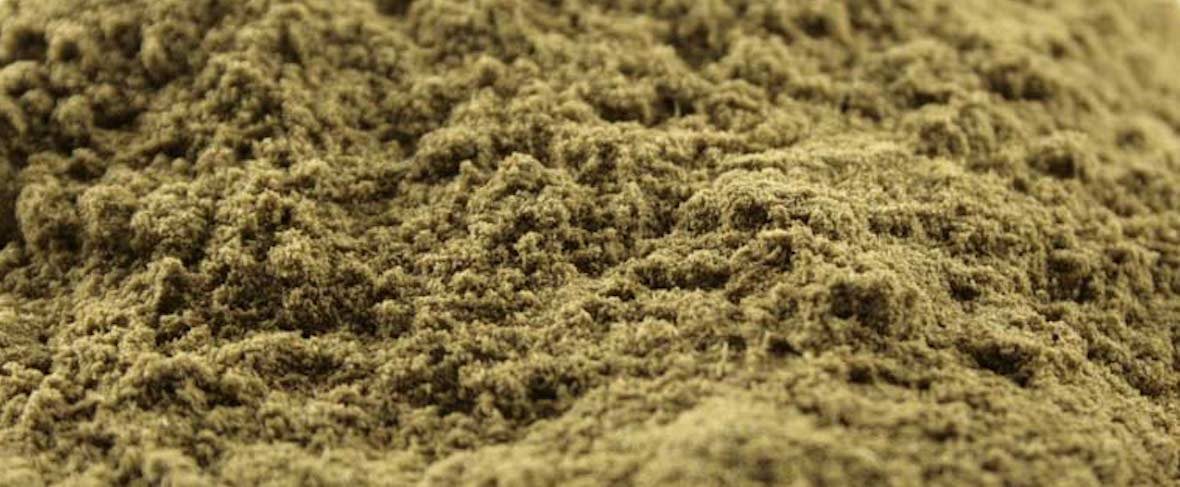
Gumbo filé is dried, finely ground sassafras leaf, and it does two jobs: it seasons and it thickens.1 Robert Caldwell, writing for the Louisiana Endowment for the Humanities, describes its flavor as sweet, earthy, peppery and thyme-like.1 He also names filé as one of three common gumbo thickeners, alongside okra and roux.1 That gives you two classic replacements before you reach for anything modern. Which one to pick depends on whether you are missing filé’s thickening, its flavor, or both.
Quick answer
| What filé is doing | Best substitute | Starting amount | Treatment |
|---|---|---|---|
| Thickening the gumbo | Okra, cooked in the pot | No fixed amount; add until the texture suits you | Method |
| Thickening, when the gumbo already has a roux | A little more roux, made separately and whisked in | Small additions, then simmer and check | Method |
| Last-minute thickening | Cornstarch slurry | Equal parts cornstarch and cold water or broth; start with about 1 tsp | Attributed |
| Earthy, thyme-like flavor at the end | A small pinch of dried thyme | A pinch per pot, then taste | Method |
How the ratios on this page are labeled
Every ratio carries one of four labels.
- Computed: based on a measurable physical relationship, with the source named.
- Attributed: a named source publishes this ratio. We quote it as theirs.
- Disputed: named sources give different answers to the same swap. We show each one and do not average them.
- Method: we found no published ratio. We give a direction and a cautious starting point, and say so.
No source we found gives an amount of any thickener that equals a given amount of filé. Gumbo thickness is a matter of taste, and every amount below is a place to start.
How filé works, and why timing matters
Filé is added at the end. Caldwell says it goes into a gumbo, soup or stew after the heat is reduced, and that most often people sprinkle it on as a finishing garnish.1 Katzer gives the same practice: the powder is stirred in immediately before serving.2 Cooked in too early, filé turns the liquid viscous, slimy and stringy, like ropes when poured.1 Louisiana Creole and Cajun restaurants often set it out among the table condiments.1
Most substitutes work on a different schedule. In common practice, okra and roux go in early and cook with the gumbo; a starch slurry is the one option added at the end, the way filé is.
If filé is thickening the gumbo
1. Okra
Okra is the other traditional choice. Its mucilage makes it useful as a thickener for broths and soups.3 Historian Gwendolyn Midlo Hall, cited by 64 Parishes, traces the word gumbo to gombo, which translates as okra in a West African dialect of the Bambara people.4 Okra and filé were not usually used together: Caldwell says filé gumbos and okra gumbos were traditionally distinct dishes,1 and Morgan Randall writes that filé adds an earthy dimension or texture when okra isn’t in season.5 Tasting Table notes that some chefs warn against using filé in the same pot as okra, because the result can get too thick.6
Okra changes the flavor and texture. Tasting Table points out that it adds its own distinct taste and can be slimy.6 It has none of filé’s herbal notes.
Ratio (Method): No published amount exists for replacing filé with okra. Add sliced okra with the other vegetables, let it cook down, and judge the thickness before serving. If the gumbo is still thin, the cornstarch method below can finish it.
2. Roux
Roux is the base of most gumbos, according to 64 Parishes;4 Tasting Table describes it as flour cooked with oil.6 If your recipe already starts with a roux, it may need little else. Tasting Table advises using any thickening powder sparingly in a roux-based gumbo, so the result doesn’t turn heavy.6
Ratio (Method): No published ratio was found. If the gumbo is too thin, make a small extra batch of roux in a separate pan, whisk it in a spoonful at a time, and simmer for a few minutes before judging. In our judgment, roux adds a toasted flavor but nothing of filé’s thyme-like notes.
3. Cornstarch slurry
Cornstarch is not traditional, but it is the closest match to filé’s timing, since both go in at the end.6
Ratio (Attributed): Tasting Table’s Wendy Leigh says to mix equal parts cornstarch and cold water or broth into a slurry, and to start with about a teaspoon, stirring it into the hot gumbo and adding more until it reaches the thickness you want.6 Add it near the very end so you can see how thick the pot already is.6
4. Arrowroot or okra powder
Ratio (Method): We found no reliable source giving an amount of arrowroot or dried okra powder for gumbo. Arrowroot can be used the same way as a cornstarch slurry, a little at a time near the end. Okra powder can go in earlier, with the vegetables. In both cases, add small amounts and wait a few minutes before adding more. This is common kitchen practice, not tested guidance.
If filé is there for flavor
Filé’s flavor is subtle. Katzer describes the aroma of sassafras leaves as weak but fresh and lemon-like,2 and the leaves hold only about 0.4 percent essential oil.2 Caldwell’s description adds sweet, earthy, peppery and thyme-like notes, and he says commercial filé is sometimes a blend that includes bay leaves, oregano, thyme and basil.1
1. A pinch of dried thyme
Ratio (Method): No source gives a ratio. Because Caldwell describes filé as thyme-like and some filé blends contain thyme,1 a small pinch of dried thyme stirred in near the end can stand in for the herbal note. It will not thicken. Filé’s leaf aroma is weak, so in our judgment a little thyme goes a long way; taste before adding more.
2. Your own ground sassafras leaves
Filé is simply sassafras leaves that have been harvested, dried and pounded.1 If you have access to a sassafras tree, drying and grinding the leaves is making filé, not substituting for it. US federal rules list sassafras leaves among natural flavoring substances, on the condition that they are safrole-free.7 That condition matters, because safrole is the reason for the warning below.
What not to use
Sassafras root, root bark or tea made from them. Katzer reports that sassafras root bark contains about 8 percent essential oil, around 80 percent of it safrole.2 The FDA deems food containing added safrole or oil of sassafras adulterated, under an order dating from December 3, 1960.8 JSTOR Daily notes that 1960 is when the FDA banned sassafras oil and safrole as food additives.9 Katzer considers the leaves and filé generally harmless at culinary scale,2 so the concern is with the root, not with filé itself.
Root beer. Root beer was once flavored with sassafras root oil,2 but it adds sugar and liquid, not thickness, and nothing about its flavor is filé’s. We don’t recommend it.
What isn’t known
- No source gives an amount of okra, roux or starch that equals a teaspoon of filé. Gumbo recipes call for thickeners by eye.
- We found no reliable source on how arrowroot, okra powder or xanthan gum behave in gumbo specifically.
- It is often said that okra gumbo is a summer dish and filé gumbo a winter one. The sources here support a softer version: filé could stand in when okra was out of season.5
Related
- Gumbo filé powder and sassafras
- Sassafras substitutes and saffron vs. sassafras
- Okra spices, Cajun seasoning and Creole seasoning
- Cajun seasoning vs. Creole seasoning
Footnotes
-
Caldwell, Filé, 64 Parishes, Louisiana Endowment for the Humanities. 64parishes.org · Reference work ↩ ↩2 ↩3 ↩4 ↩5 ↩6 ↩7 ↩8 ↩9 ↩10
-
Katzer, Sassafras (Sassafras albidum), Gernot Katzer’s Spice Pages. gernot-katzers-spice-pages.com · Reference work ↩ ↩2 ↩3 ↩4 ↩5 ↩6
-
Okra, Encyclopaedia Britannica. britannica.com · Reference work ↩
-
Brasseaux, Gumbo, 64 Parishes, Louisiana Endowment for the Humanities. 64parishes.org · Reference work ↩ ↩2
-
Randall, Suffering Sassafras, 64 Parishes, 2019. 64parishes.org · Publication ↩ ↩2
-
Leigh, The 2 Best Substitutes To Use In Gumbo When You Don’t Have Filé On Hand, Tasting Table, 2025. tastingtable.com · Publication ↩ ↩2 ↩3 ↩4 ↩5 ↩6 ↩7
-
21 CFR 172.510, Natural flavoring substances, US Food and Drug Administration. ecfr.gov · Regulator ↩
-
21 CFR 189.180, Safrole, US Food and Drug Administration. ecfr.gov · Regulator ↩
-
Traylor, Sassafras: From Scent to Science in American Medicine, JSTOR Daily, 2026. daily.jstor.org · Publication ↩