Spice Fixes · Fix
Too Much Turmeric? How to Fix Bitterness, Raw Taste and Too Much Yellow
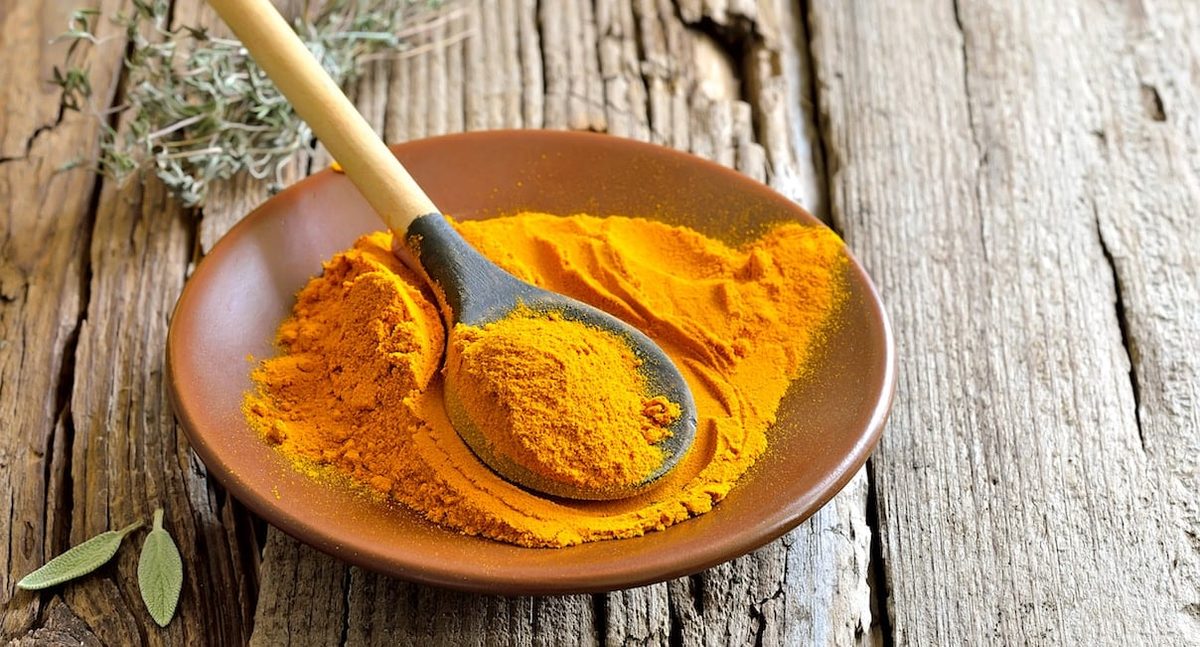
Ground turmeric is easy to think of as mostly color, and it is a regulated color additive in the United States.1 But it has a real taste of its own: the Prasad and Aggarwal reference chapter describes it as “bitter, slightly acrid, yet sweet.”2 Too much turmeric shows up in three ways: a bitter, medicinal edge; a raw, chalky or musty taste when the powder hasn’t cooked; and a dish that is simply too yellow. Taste, match the problem below, and start with the first fix in each section.
Quick answer
| What’s wrong | Fastest fix | If that’s not enough |
|---|---|---|
| Bitter or medicinal taste | Add more of everything else | A pinch of sugar or a little more salt |
| Raw, chalky or musty taste | Simmer longer, or cook the dish’s base in a little fat again | Dilute with a freshly cooked base |
| Too yellow | Dilute; nothing removes the color | Serve it as is; the color is harmless to the flavor |
| Too much in a braising liquid | Ladle out some liquid and replace it with stock or water | Then rebalance the seasoning |
| Rub on meat | Scrape or wipe off the excess | Don’t rinse raw meat under the tap |
Bitter or medicinal
That bitter, slightly acrid note is part of turmeric’s own flavor,2 so the more you add, the more of it you taste.
Dilute. The only fix that lowers the turmeric in each bite. Add more of every other ingredient, in proportion: if you put in twice the turmeric, double everything else. If you’re cooking without a recipe, add the other ingredients a little at a time and taste between additions. For a pot that would get too big, Tasting Table’s advice for too much garlic applies equally well: cook a second batch without the problem ingredient and combine the two.3
Sweetness, in small amounts. In controlled taste tests, sweet tastes suppressed bitterness, and sugar was the dominant suppressor of other tastes.4 Those were pure taste solutions, not food, but they match kitchen practice. Add a pinch of sugar or jaggery at a time. In a savory dish you want the bitterness to recede, not the sweetness to show.
A little salt. The same study found sodium salts also suppressed bitterness.4 If the dish is under-salted, fix that first.
Coconut milk or yogurt. In a curry where coconut milk belongs, adding more adds volume and richness. Yogurt is already a souring agent in many curries, according to Saveur.5 In our judgment both make a turmeric-heavy dish more balanced. We found no source showing that either one mutes bitterness chemically, so think of it as dilution plus contrast.
Acid for brightness, not as a cure. Indian cooking has several sour ingredients that suit a turmeric-heavy dish. Saveur describes amchur (mango powder) as made from the sun-dried pulp of unripe mangoes, and calls tamarind “the key souring agent in sambhar.”5 Lime juice or tomatoes also work. A sour note gives the palate something besides bitterness, but don’t expect it to cancel bitterness: in the lab study above, citric acid was the least effective suppressor.4 See mango powder for more on amchur.
Raw, chalky or musty
Ground spices stirred straight into a pot can leave a dish with what America’s Test Kitchen calls “a bland, musty flavor or texture”; cooking them in fat first, called blooming, brings out their flavor.6 If turmeric went in late, or into a liquid with no fat, that is the likely cause (our reading of ATK’s general advice, not a turmeric-specific test).
Cook it more. Simmer the dish a little longer and taste again. If the sauce has little fat, it can help to warm a spoonful of oil or ghee, fry some fresh onion or the dish’s other aromatics in it, and stir that in. These are kitchen techniques, not tested fixes for turmeric specifically.
Watch the heat. America’s Test Kitchen warns that ground spices burn fairly quickly in hot fat.6 Keep the flame moderate; scorched turmeric adds a burnt bitterness on top of its own.
Too yellow
Curcumin, a major component of turmeric, is what makes it yellow.7 We know of no ingredient that takes the color out of a dish; dilution is the only way to make it paler. In our judgment it’s often better to accept a vivid dish than to add more food just to tone down the color.
Turmeric also colors whatever it touches. Mark Wiens’s warning in his gaeng som recipe: “Turmeric stains everything yellow orange,” and he notes it stains plastic in particular.8 Clean up spills, wooden spoons and plastic containers promptly.
In a braise or on the surface
Swap out some liquid. If turmeric went into a braising or poaching liquid, ladle out part of it and replace it with fresh stock or water. That lowers the concentration directly. Then rebalance the salt.
Scrape a rub off, don’t rinse it. For a turmeric-heavy rub on chicken, fish or meat, scrape or wipe the excess off and re-season lightly. The USDA advises against washing raw meat and poultry because rinsing spreads bacteria around the kitchen.9
Is too much turmeric a safety problem?
In food, the problem is flavor. We found no regulator figure for a culinary amount of turmeric that is too much. The safety concerns NIH sources describe are about supplements: NCCIH lists side effects of oral turmeric such as nausea, vomiting and acid reflux, and reports liver damage in some people who took turmeric supplements.7 NIH’s LiverTox database calls turmeric the most common cause of clinically apparent herbal-related liver injury in the United States, in the context of supplement use.10
A separate issue is what’s in the jar. Lead chromate has been found added to turmeric in parts of South Asia; one 2021 to 2023 survey in eastern India found 30 percent of 503 samples over India’s lead limit.11 That is a sourcing problem, not an amount problem. More in the turmeric profile.
Preventing it next time
Bloom it with the aromatics. Cooking ground turmeric briefly in fat develops its flavor; America’s Test Kitchen gives anywhere from 30 seconds to several minutes for blooming spices.6 Taste after it has cooked, not right after it goes in, before deciding to add more.
Remember it’s there for color too. A recipe’s turmeric amount sets the color as much as the flavor. No source gives a standard amount per serving. Our method, not a published figure: follow the recipe, and if you’re improvising, add a little, cook it a few minutes, and judge by taste rather than by how yellow the pot looks.
Related
- Cooking with turmeric
- Fresh turmeric vs. powder
- Galangal vs. turmeric
- Turmeric substitutes
- Too much curry powder
- Too much saffron
Footnotes
-
21 CFR 73.600 Turmeric (color additive), eCFR. ecfr.gov · Regulator ↩
-
Prasad S, Aggarwal BB, Turmeric, the Golden Spice, in Herbal Medicine: Biomolecular and Clinical Aspects, 2011. ncbi.nlm.nih.gov · Reference work ↩ ↩2
-
Simple Ways To Tone Down The Pungency Of Garlic, Harmony Colangelo, Tasting Table, 2023. tastingtable.com · Publication ↩
-
Green BG et al., Taste Mixture Interactions: Suppression, Additivity, and the Predominance of Sweetness, Physiology & Behavior, 2010. pmc.ncbi.nlm.nih.gov · Peer-reviewed ↩ ↩2 ↩3
-
Get to Know the Sour, Twangy Ingredients that Give Indian Cooking a Kick Beyond Spice, Michael Snyder, Saveur, 2016. saveur.com · Publication ↩ ↩2
-
How to Bloom Spices, America’s Test Kitchen, 2023. americastestkitchen.com · Publication ↩ ↩2 ↩3
-
Turmeric: Usefulness and Safety, National Center for Complementary and Integrative Health, 2025. nccih.nih.gov · Regulator ↩ ↩2
-
Southern Thai Gaeng Som Recipe, Mark Wiens, Eating Thai Food. eatingthaifood.com · Publication ↩
-
Washing Food: Does it Promote Food Safety?, USDA Food Safety and Inspection Service. fsis.usda.gov · Regulator ↩
-
LiverTox: Turmeric, NIDDK, 2025. ncbi.nlm.nih.gov · Regulator ↩
-
Forsyth JE et al., Systemic drivers of toxic food adulteration: lead chromate in turmeric across eastern India, npj Science of Food, 2026. nature.com · Peer-reviewed ↩