Spices · Profile
Worcestershire Powder: What’s in It, Where It Came From and How to Use It
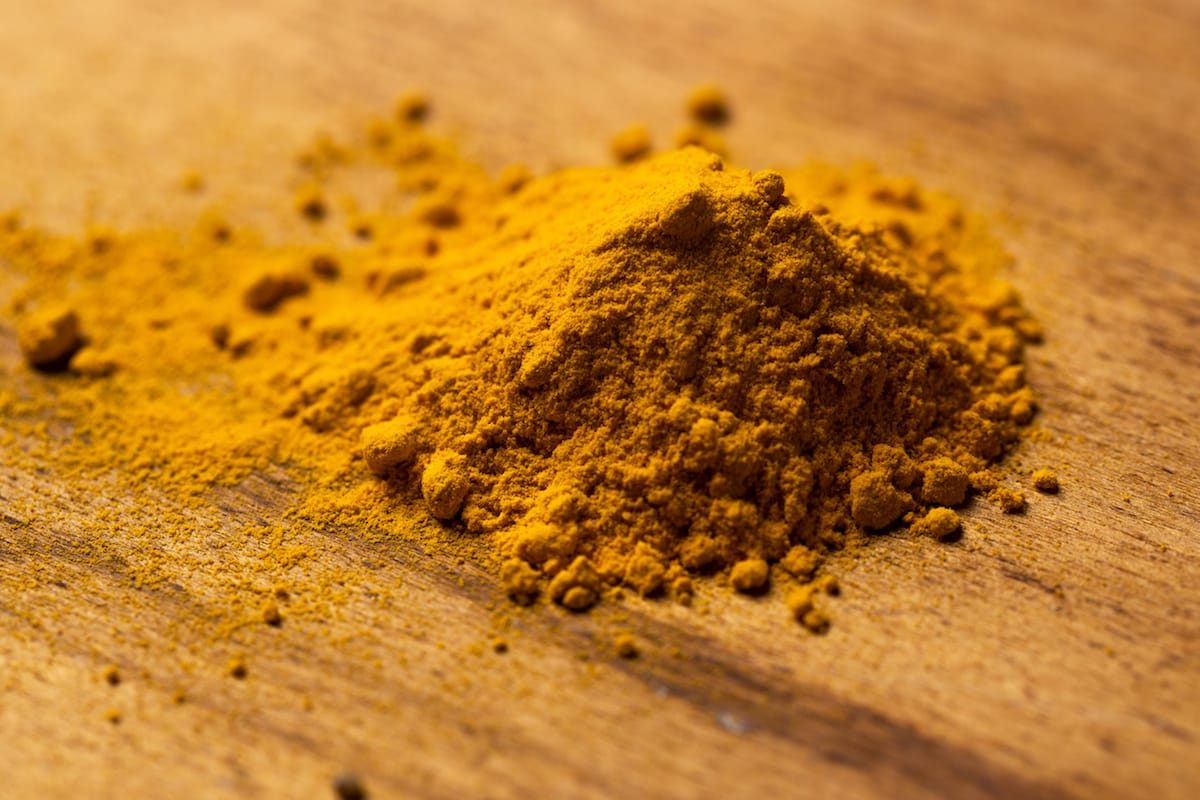
Worcestershire powder is Worcestershire sauce in dry form. The products on sale today are made by drying the sauce onto maltodextrin, a starch-based carrier, and their labels list the sauce’s own ingredients inside: distilled vinegar, molasses, corn syrup, salt, garlic powder, sugar, spices and tamarind among them.123 It gives the tangy, savory taste of the sauce to dry rubs and to dishes where extra liquid isn’t wanted.
At a glance
| What it is | Worcestershire sauce dried onto maltodextrin123 |
| Main ingredients | Maltodextrin, then the sauce: vinegar, molasses, corn syrup, salt, caramel color, garlic powder, sugar, spices, tamarind123 |
| Allergens on labels | Sulfites (all three); celery (World Spice)123 |
| Main uses | Steaks, roasts and pork, barbecue rubs, sauces, soups and stews123 |
| Reconstituting | 1 part powder to 1.5 parts water by weight (Spice Jungle)1 |
| Shelf life | 2 years (Spice Jungle)1 |
Three labels side by side
There is no single formula. These are the ingredient lists of three powders sold in the U.S., as each seller gives them.
| Spice Jungle1 | World Spice Merchants2 | Woodland Foods3 | |
|---|---|---|---|
| Carrier | Maltodextrin | Maltodextrin | Maltodextrin |
| Vinegar | Distilled vinegar | Distilled vinegar | Distilled vinegar |
| Sweeteners | Molasses, corn syrup, sugar | Molasses, corn syrup, sugar | Molasses, corn syrup, sugar |
| Salt | Yes | Yes | Yes |
| Caramel color | Yes | Yes | Yes |
| Garlic powder | Yes | Yes | Yes |
| Tamarind | Yes | Yes | Yes |
| Celery seed | Not listed | Yes | Yes |
| Spices, natural flavor | Yes | Yes | Yes |
| Anticaking agent | Silicon dioxide | Silicon dioxide | Silicon dioxide |
| Allergen statement | Contains sulfites | Contains sulfites, celery | Contains sulfites |
The three lists are nearly identical; none of the sellers says who makes the powder. None lists anchovies or soy, both of which Britannica names among the original sauce’s ingredients.4 If you need to avoid fish, check the label of the specific powder you buy rather than assuming.
Flavor
Read as a list of flavors, the label covers sour (vinegar), sweet (molasses, corn syrup, sugar), fruity-tart (tamarind) and savory (salt, garlic).1 Spice Jungle calls its powder a significantly more potent Worcestershire seasoning than the sauce.1
Where Worcestershire sauce came from
Britannica tells the origin story this way. Early in the 19th century, “store sauces” were fashionable in England. A retired governor of Bengal asked two Worcester chemists, John Wheeley Lea and William Henry Perrins, to make a sauce from a recipe he had brought from India. The result did not please him, so they stored the barrel in their cellar and forgot it for about 18 months. When they tasted it again, aging had improved it, and they put it on sale in 1837.4 In its original form it contained tamarind, soy, garlic, red onions, anchovies and spices.4
We found no independent record of the governor or the forgotten barrel, so this is the story as Britannica gives it.
Who made the powder?
A widely repeated claim credits Worcestershire powder to David Wade, a Texas television cooking personality. Paula Bosse’s history of Wade on Flashback Dallas describes him as a cooking instructor and media figure who lived and worked in Dallas for most of his career, was billed as a “food demonstrator” rather than a chef, and died in Tyler in March 2001 at 77.5 Her readers remembered his Worcestershire Powder as popular and, for most of the 2000s, hard to find.5 The page does not say who invented the powder or when, and we found no source that does.
How to use it
- On meat. Sprinkle it on cooked steaks, pork or roasts.13
- In rubs. World Spice calls it a secret kick in many barbecue rubs;2 Woodland Foods suggests combining it with other herbs and spices for a dry rub.3
- In liquids. Add it to sauces, soups and stews,13 or whisk it into dressings.2
- With cheese. Woodland Foods suggests mixing it with Parmesan for pasta, or stirring it into mashed potatoes.3
- As sauce. Spice Jungle gives 1 part powder to 1.5 parts water by weight to make a liquid.1 That is the seller’s ratio; no other source we found gives one.
The powder contains salt, so taste before adding more.
Buying and storage
All three labels declare sulfites, and one declares celery.123 Store it in a cool, dry place; Spice Jungle gives a shelf life of 2 years.1
Related
- Soy sauce powder and vinegar powder, two other dried condiments
- Garlic powder and onion powder
- Seasoned salt and all-purpose seasoning for other steak seasonings
- Too much vinegar
Footnotes
-
Worcestershire Sauce Powder, Spice Jungle. spicejungle.com · Merchant ↩ ↩2 ↩3 ↩4 ↩5 ↩6 ↩7 ↩8 ↩9 ↩10 ↩11 ↩12 ↩13 ↩14 ↩15
-
Worcestershire, World Spice Merchants. worldspice.com · Merchant ↩ ↩2 ↩3 ↩4 ↩5 ↩6 ↩7 ↩8 ↩9
-
Worcestershire Sauce Powder, Woodland Foods. shop.woodlandfoods.com · Merchant ↩ ↩2 ↩3 ↩4 ↩5 ↩6 ↩7 ↩8 ↩9 ↩10 ↩11
-
Worcestershire sauce, Encyclopaedia Britannica. britannica.com · Reference work ↩ ↩2 ↩3
-
Paula Bosse, “David Wade, Gourmet: Have Ascot, Will Travel,” Flashback Dallas, 2014. flashbackdallas.com · Publication ↩ ↩2