Spice Fixes · Fix
Too Much Sugar? How to Balance a Dish That’s Too Sweet
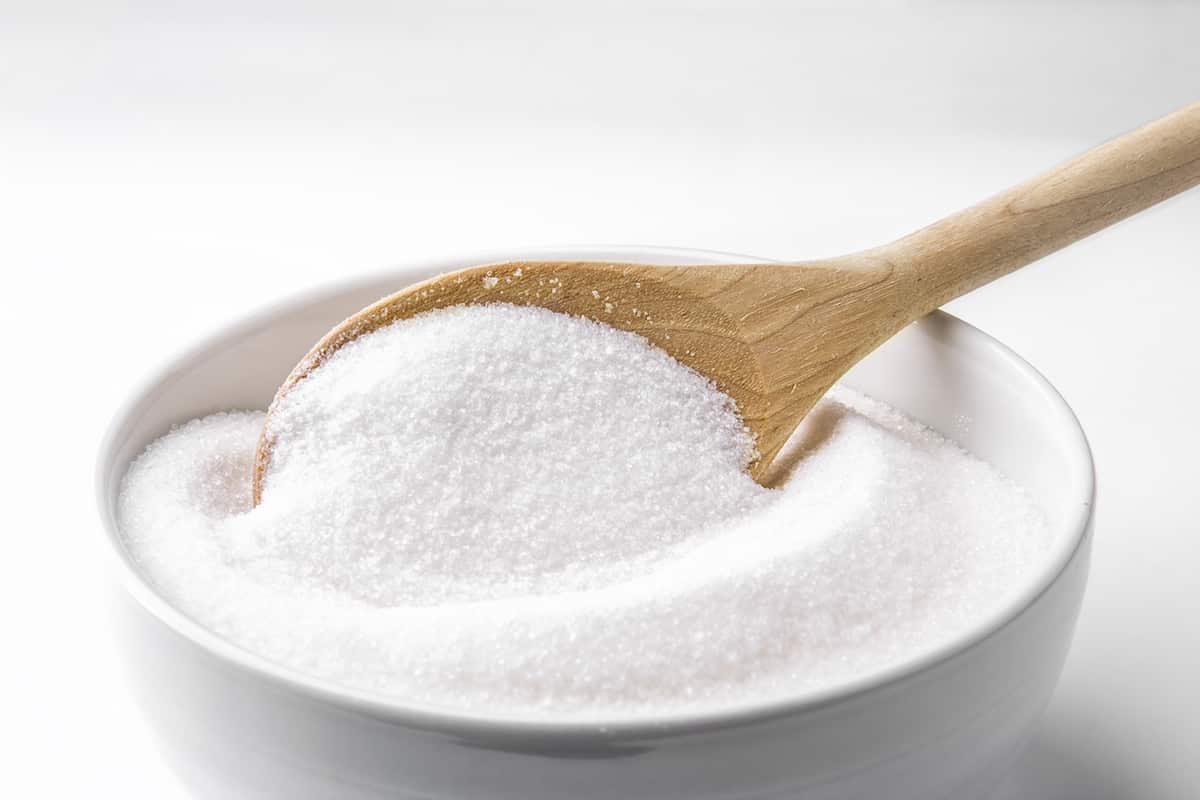
Sweetness is the hardest of the basic tastes to cover up. In a 2010 taste-mixture study, sucrose sweetness tended to be both the least suppressed taste and the strongest suppressor of the others; sweetness was not reduced significantly when mixed with salt, acid or a bitter compound.1 That changes which fixes are worth trying. Diluting the dish is the dependable one. Acid and salt help a dish taste more balanced, but the lab evidence says they do little to sweetness itself. Chili heat is the one balancing fix with evidence that it actually lowers perceived sweetness.
Quick answer
| What’s wrong | Fastest fix | If that’s not enough |
|---|---|---|
| Savory sauce, chili or stew too sweet | Add more of the main unsweetened ingredients | Chili heat; acid and salt for balance |
| Dessert filling, frosting or sauce too sweet | Make more without sugar and combine, or serve with something unsweetened | A little sour or bitter element (citrus, cocoa, coffee) for contrast |
| Batter or dough, not yet baked | Scale up every other ingredient to match | Bake a smaller test batch first |
| Already baked | Pair with unsweetened toppings | No fix inside the bake |
Dilute: the fix that works
Add more of the unsweetened ingredients. A tomato sauce that’s too sweet can take more crushed tomatoes; a sweet chili can take more beans, meat or unsweetened tomatoes. Then rebalance the spices and salt you’ve thinned out.
Scale the rest of the recipe to the sugar. If you put in twice the sugar, doubling every other ingredient brings the ratio back; three times the sugar means tripling. That’s arithmetic, and it leaves you with more food. Freeze the extra.
Batter and dough are a special case. In baking, sugar is doing more than sweetening. Purdue Extension notes that in cookies sugar increases browning, tenderness and spreading, and in cakes it contributes to tenderness, fine texture, moistness and crust browning.2 So a batter with too much sugar will bake differently, not just taste sweeter. If you catch it before baking, scale up all the other ingredients to restore the ratio. Once it’s baked, there’s no fixing it inside; serve it with something unsweetened instead.
Serve it with something unsweetened. Unsweetened whipped cream, plain yogurt, tangy cheese or plain crackers alongside a too-sweet dessert dilute the sweetness in each bite. That’s common practice rather than a tested fix.
Make it spicier
This is the balancing fix with the clearest evidence. In a study of frequent and infrequent chili eaters, sweetness was suppressed by the presence of capsaicin, the compound behind chili heat, with few exceptions and in both groups.3 Flavor intensity was suppressed too.3 For a savory dish, add crushed red pepper flakes, cayenne or more chili powder a pinch at a time. That study tested capsaicin, so it says nothing about warm spices such as cinnamon and cloves; in a too-sweet pie filling they add competing flavor, which is kitchen judgment.
Add acid: balance, not cancellation
A squeeze of lime in a sweet salsa, a splash of vinegar or red wine in a tomato sauce, a little mustard or tamarind in a glaze: these make a sweet dish taste more balanced. But don’t expect acid to reduce the sweetness itself. In the 2010 study, citric acid was the least effective suppressor of the four tastes tested, and the authors note that an earlier dataset showed sweetness not suppressed at all in a mixture with citric acid.1 What acid adds is a second, competing taste. Those were tests of pure solutions, and the authors caution that the results may not carry over to real foods.1
Add acid in small amounts and taste between additions; too much leaves you with the opposite problem.
Add salt: be careful
Salt is often suggested for a too-sweet dish. The evidence is weak. In the 2010 study, adding salt lowered the average sweetness rating of a sugar solution, but not by a statistically significant amount.1 The authors also cite earlier work near the threshold of taste in which salt tended to increase sweetness.1 A pinch of salt may make a too-sweet dish taste rounder, but it is not a reliable way to make it less sweet. Salty ingredients with their own flavor, such as soy sauce, miso or a sharp cheese, add savory depth that can pull a dish back toward balance; that’s cooking judgment.
Bitter and creamy additions
The same study found sweetness wasn’t significantly reduced by a bitter compound either.1 Still, bitter or sharp ingredients (unsweetened cocoa in a chili or dessert, coffee, sharp cheese such as Pecorino Romano on a sweet tomato sauce, sour cream or yogurt on a sweet chili) add a contrasting taste and some bulk. Use them for balance in dishes where they belong, and don’t count on them to cancel sugar.
Is too much sugar a health issue?
For a single dish, it’s a flavor problem. Across a day, added sugar adds up. The FDA’s Daily Value for added sugars is 50 grams a day on a 2,000-calorie diet, and the Dietary Guidelines for Americans advise keeping calories from added sugars under 10% of the total.4 Only dilution and serving smaller portions lower the sugar per serving; acid, salt and spice change the taste, not the sugar content.
Preventing it next time
Add sugar in stages in savory cooking, and taste after it dissolves. That’s common practice.
Measure sugar before it goes near the bowl. Check the amount against the recipe before adding it; a cup in place of a half cup is easy to do and can’t be undone once it’s mixed in.
Know that sugar does structural work. Purdue Extension suggests sugar can often be cut by a third, which works best in canned and frozen fruits, puddings and custards and may be less desirable for cookies and cakes, where less sugar means less spread, a paler crust and a less tender texture.2 That’s useful if a recipe you make often always tastes too sweet.
Related
Footnotes
-
Green BG et al., Taste Mixture Interactions: Suppression, Additivity, and the Predominance of Sweetness, Physiology & Behavior, 2010. pmc.ncbi.nlm.nih.gov · Peer-reviewed ↩ ↩2 ↩3 ↩4 ↩5 ↩6
-
Altering Recipes for Better Health (CFS-157-W), William D. Evers and April C. Mason, Purdue University Cooperative Extension Service. extension.purdue.edu · Reference work ↩ ↩2
-
Prescott J, Stevenson RJ, Effects of oral chemical irritation on tastes and flavors in frequent and infrequent users of chili, Physiology & Behavior, 1995 (abstract). researchers.mq.edu.au · Peer-reviewed ↩ ↩2
-
Added Sugars on the Nutrition Facts Label, U.S. Food and Drug Administration. fda.gov · Regulator ↩