Seasonings · Profile
Charcoal Seasoning: The Black Steak Rub Made With Activated Charcoal
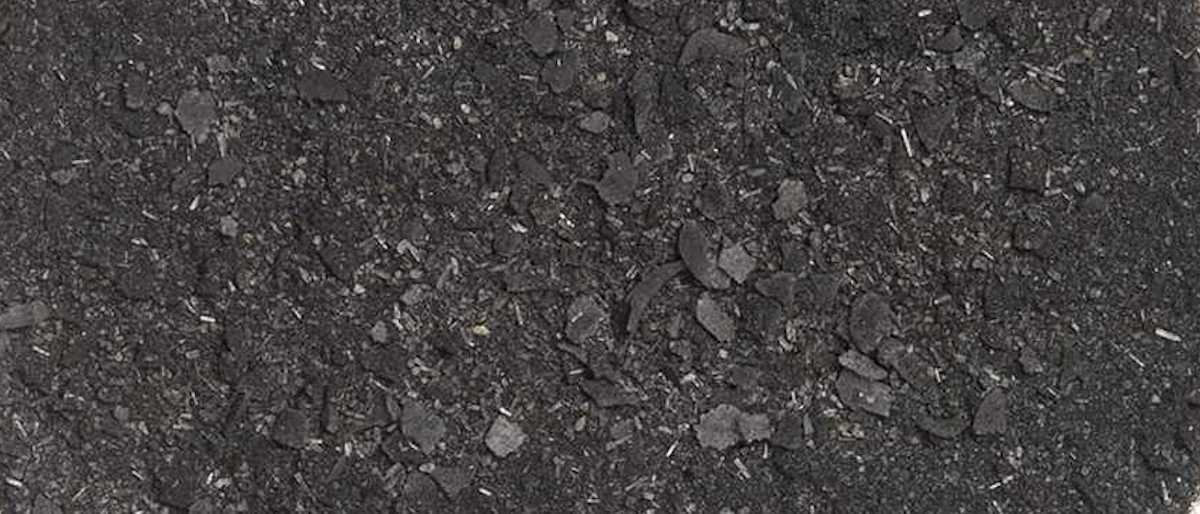
Charcoal seasoning is a black dry rub for steak and other grilled meat, made from salt, spices and activated charcoal. The charcoal is what turns it black. There is no standard recipe: this page sets out what two named products contain, where the best-known one came from (the accounts differ), how cooks use it, and what health authorities say about eating activated charcoal.
At a glance
| What it is | A dry rub or seasoning salt containing activated charcoal12 |
| Typical other ingredients | Salt, sugar, black pepper, garlic, onion, chile (varies by brand)2 |
| Best-known origin story | Black Magic seasoning, Penny Profit grocery, Montgomery, Alabama, from the 1930s34 |
| Main use | Steak, burgers, ribs and pork before grilling or searing1 |
| Regulatory note | New York City’s health department: activated charcoal is approved only to filter food, not as a colorant or additive5 |
What is in it
No standard defines charcoal seasoning, so the honest answer is a product-by-product one. Two named products, side by side:
| Mis’ Rubin’s Black Magic1 | Hardcore Carnivore Black2 | |
|---|---|---|
| Charcoal | “Coconut husk activated charcoal” | Activated charcoal (source not stated) |
| Salt | Called a seasoning salt; labeled “Low Sodium” | Sea salt (listed first) |
| Sugar | Not stated | White sugar |
| Pepper and chile | Not stated | Black pepper; chili powder (chili pepper, salt, cumin, oregano, garlic) |
| Alliums | Not stated | Dehydrated garlic and onion |
| MSG | Labeled “No MSG” | Not listed |
| Other | Full ingredient list not on the maker’s page | Silicon dioxide, under 2%, as an anti-caking agent |
Neither product lists MSG. A widely repeated description says charcoal seasoning is built on MSG with onion and garlic powder. In these two products the MSG part does not hold up; garlic and onion appear in one of them. Other brands may differ, so read the label.
Commonly repeated claims that the charcoal in these blends is made from bone char or olive pits could not be traced to any product we checked. The one maker that names its charcoal’s source says coconut husk.1
Flavor
What charcoal itself contributes to flavor is unclear. Tasting Table’s Elizabeth Okosun calls activated charcoal “the key to the bold flavor” and says the seasoning makes stovetop steak taste like grilled.6 Mis’ Rubin’s says its charcoal “teases the meat’s natural gamey flavors.”1 Both are opinions; we found no sensory test. The flavors you can count on come from the other ingredients on the label: salt, pepper, garlic, onion and chile. For a merchant’s description of the taste of charcoal in salt, see black lava salt.
Origin: Black Magic in Montgomery
The best-documented charcoal seasoning is Black Magic, from the Penny Profit grocery in Montgomery, Alabama. Two local accounts agree on the outline and differ on details.
| Southern Jewish Life3 | Exploring Montgomery (2016)4 | |
|---|---|---|
| Rubin Hanan’s background | Left Rhodes; arrived in Montgomery in 1925 | Emigrated from Greece in the early 1920s |
| Julia Hanan | Born in Atlanta in 1912; married Rubin in a Sephardic ceremony in 1935 | Known around town as Mis’ Rubin |
| The store | Rubin and Julia opened the Penny Profit Grocery Store after marrying; it became a leading Montgomery meat market | Rubin opened a corner grocery in 1935 |
| Who created the seasoning | Julia developed the seasonings to make their meats stand out | Rubin “invented charcoal-blackened steaks”; his wife created the dry rubs and seasonings |
| Later | The Hanans sold the store to the Landers family and a partner; it closed in the early 2000s | The store and its “secret meat treatment” were later taken over by a son |
Southern Jewish Life adds that for a long time the only way to get Black Magic was to buy the steak it went on, and that Black Magic was made for red meat while a companion White Magic was made for poultry, seafood and vegetables.3 Robert and Ashley Landers revived the seasonings, which are now sold in supermarkets in Alabama and Mississippi and online.3
Neither account documents what the original 1930s recipe contained, or whether it held activated charcoal; today’s Black Magic does.1 So it is fair to say the Hanans’ Black Magic is the best-known early charcoal-style steak seasoning, but not that charcoal seasoning was “invented in 1935.”
How it is used
- Steak and red meat. Mis’ Rubin’s says Black Magic is made for steak, ribs, burgers and pork, cooked over flame.1 Its maker’s advice is to apply generously.1
- Pan-searing. Tasting Table recommends it for giving stovetop steak a grilled taste.6
- Seafood and poultry. The Montgomery company makes a separate White Magic for these.3 Using a charcoal rub on fish is a matter of taste.
Apply it as you would any salt-based rub: it already contains salt, so cut back on added salt. That is kitchen judgment.
Safety
Regulatory status. New York City’s Department of Health and Mental Hygiene tells food service operators that activated charcoal is “only approved to filter food; not approved as a food colorant or food additive,” and that it may cause nausea, vomiting, diarrhea or constipation and may reduce the absorption of certain nutrients or medication.5 That guidance is written for food businesses in New York City; we did not find a federal statement specific to charcoal seasoning.
Medicines. In medicine, activated charcoal is a gastrointestinal adsorbent given in some cases of acute poisoning. It is not absorbed by the gut, and it may reduce the absorption and effect of medicines taken at the same time.7 Anyone on regular oral medication may want to ask a pharmacist before eating charcoal-containing foods often; that is our suggestion, not a regulator’s.
“Detox” claims. Charcoal seasoning is often sold or described as detoxifying, kidney-friendly or good for gas. We found no evidence for any of that at seasoning amounts. Even in hospital poisoning care, the StatPearls review notes that no studies have shown improvements in patient-oriented outcomes from activated charcoal.7 A claim that circulates online, that charcoal works because “toxins have positive charges,” has no source and is not how the review describes its action (adsorption of ingested substances in the gut).7
Related pages
- Black lava salt and Hawaiian sea salt: salts colored with activated charcoal
- Smoked sea salt and smoked paprika, for real smoke flavor
- Best spices for steak
- Garlic powder, onion powder and MSG
Footnotes
-
“Black Magic Seasoning”, product page, Mis’ Rubin’s. misrubins.com · Merchant ↩ ↩2 ↩3 ↩4 ↩5 ↩6 ↩7 ↩8
-
Hardcore Carnivore Black Beef Seasoning, product listing, H-E-B. heb.com · Merchant ↩ ↩2 ↩3
-
“There’s the rub: Montgomery favorite Mis’ Rubin’s Magic seasonings live on”, Southern Jewish Life. sjlmag.com · Publication ↩ ↩2 ↩3 ↩4 ↩5
-
“Penny Profit Food Store”, Exploring Montgomery, 2016. exploringmontgomery.com · Publication ↩ ↩2
-
“Adulterated Food: What Food Service Operators Need To Know”, New York City Department of Health and Mental Hygiene. nyc.gov · Regulator ↩ ↩2
-
Elizabeth Okosun, “The One Seasoning You Need To Make Any Steak Taste Charcoal-Grilled”, Tasting Table, 2024. tastingtable.com · Publication ↩ ↩2
-
Taylor, Galuska and Patel, “Activated Charcoal”, StatPearls, NCBI Bookshelf, 2026. ncbi.nlm.nih.gov · Peer-reviewed ↩ ↩2 ↩3