Cooking · Dish guide
Kale Spices: Garlic, Chile, Pepper, Mustard and Acid for a Bitter Green
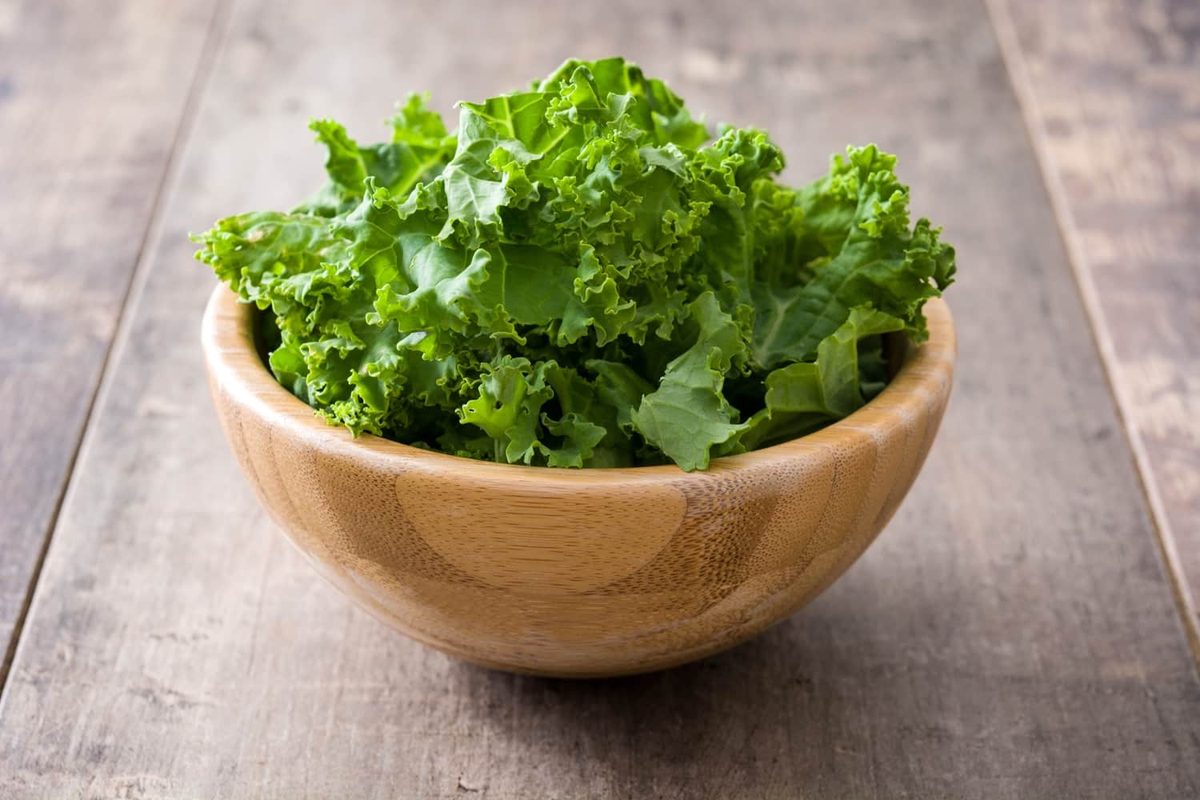
Kale is a leafy cabbage-family green with a strong, slightly bitter flavor, so it takes assertive seasoning well. The usual partners are garlic, red pepper flakes or black pepper, and something sharp to balance the bitterness: lemon juice or mustard. In northern Germany, the classic kale dish is seasoned with little more than salt, pepper and mustard. This page covers what each seasoning does, with sources where they exist; much of kale seasoning is everyday kitchen practice, and it is labeled as such.
At a glance
| Seasoning | Job | Basis |
|---|---|---|
| Garlic | Pungent, savory depth in the cooking fat | Common practice |
| Red pepper flakes | Heat | Common practice |
| Black pepper | Milder pungency | Bremen recipe; common practice1 |
| Mustard | Sharpness against bitterness and rich meat | Bremen recipe1 |
| Lemon juice | Acidity | Common practice |
| Olive oil | Cooking fat and dressing | Common practice |
What kale is
Britannica classifies kale as Brassica oleracea var. acephala, a loose-leafed member of the cabbage group, grown mainly for autumn and winter harvest because cold improves its eating quality and flavor.2 Its leaves can be eaten fresh or cooked.2 In Bremen, the first frost marks the start of the city’s curly kale outings.1
The seasonings and what each does
Garlic
Garlic softened in olive oil before the greens go in is the most common way to season sautéed kale (common practice; no single source sets it as a standard). Sliced thin and cooked until just golden, it also makes crisp chips to scatter over the top (our suggestion). If it takes over, see too much garlic.
Red pepper flakes
A pinch of red pepper flakes in the oil gives sautéed kale a gentle heat (common practice). According to McCormick’s science institute, crushed red pepper is typically made from cayenne-type chiles alone or blended with other cultivars.3 Gochugaru is a milder, fruitier swap (our judgment).
Black pepper
Black pepper’s bite comes principally from piperine.4 Bremen’s kale recipe seasons with salt, pepper and mustard at the end.1 Freshly ground is more aromatic than pre-ground (our judgment).
Mustard
Mustard is the one spice built into the classic German kale dish. Bremen’s recipe for curly kale with smoked pork and Pinkel sausage calls for 3 tablespoons of mustard, added with the salt and pepper.1 Katzer notes that prepared mustard is a common condiment for boiled or broiled meat across Central and Northern Europe.5 See mustard powder and brown mustard seeds.
Lemon and other acids
A squeeze of lemon over sautéed kale, or lemon juice in a raw kale salad dressing, offsets the green’s bitterness (common practice and our judgment; no source measures the effect).
Olive oil
Olive oil is not a spice, but it is the usual fat for sautéing kale and for dressing it raw, and for coating kale chips before baking (common practice).
The German classic: kale with Pinkel
Bremen’s version shows how plainly the dish is seasoned:1
| Ingredient | Amount (Bremen recipe)1 |
|---|---|
| Curly kale | 3 kg, fresh or frozen |
| Onions | 3 |
| Lard | 100 g |
| Beef or vegetable stock | 1 liter |
| Mustard | 3 tbsp |
| Smoked pork | 600 g |
| Boiled sausages, Pinkel sausages | 4 each |
| Porridge (optional) | 150 g |
| Salt, pepper | To taste |
The flavor comes mainly from the onions, lard and smoked meats; the only added spices are pepper and mustard.1
Kale and vitamin K
USDA data list raw kale at 390 µg of vitamin K and 93.4 mg of vitamin C per 100 g.6 NIH’s Office of Dietary Supplements gives an average daily recommended vitamin K intake of 120 mcg for adult men and 90 mcg for adult women, and names kale among the green leafy vegetables that supply it.7 So 100 g of raw kale carries more than three times the men’s figure (computed from the two sources).
That matters for one group: ODS warns that vitamin K can interact seriously with the blood thinner warfarin (Coumadin), and that people taking it should keep their vitamin K intake about the same from day to day.7 Anyone on warfarin who plans to eat a lot more kale should check with their doctor (our advice).
Related
Footnotes
-
Kale recipe, Bremen Online. bremen.eu · Publication ↩ ↩2 ↩3 ↩4 ↩5 ↩6 ↩7 ↩8
-
Kale, Encyclopaedia Britannica. britannica.com · Reference work ↩ ↩2
-
Red Pepper, McCormick Science Institute. mccormickscienceinstitute.com · Merchant ↩
-
Black pepper, Encyclopaedia Britannica. britannica.com · Reference work ↩
-
White Mustard (Sinapis alba), Gernot Katzer’s Spice Pages. gernot-katzers-spice-pages.com · Reference work ↩
-
Kale, raw (FDC ID 168421), USDA FoodData Central. fdc.nal.usda.gov · Regulator ↩
-
Vitamin K: Fact Sheet for Consumers, NIH Office of Dietary Supplements. ods.od.nih.gov · Regulator ↩ ↩2