Spice Fixes · Fix
Too Much Garlic? How to Tone It Down, Fastest Fix First
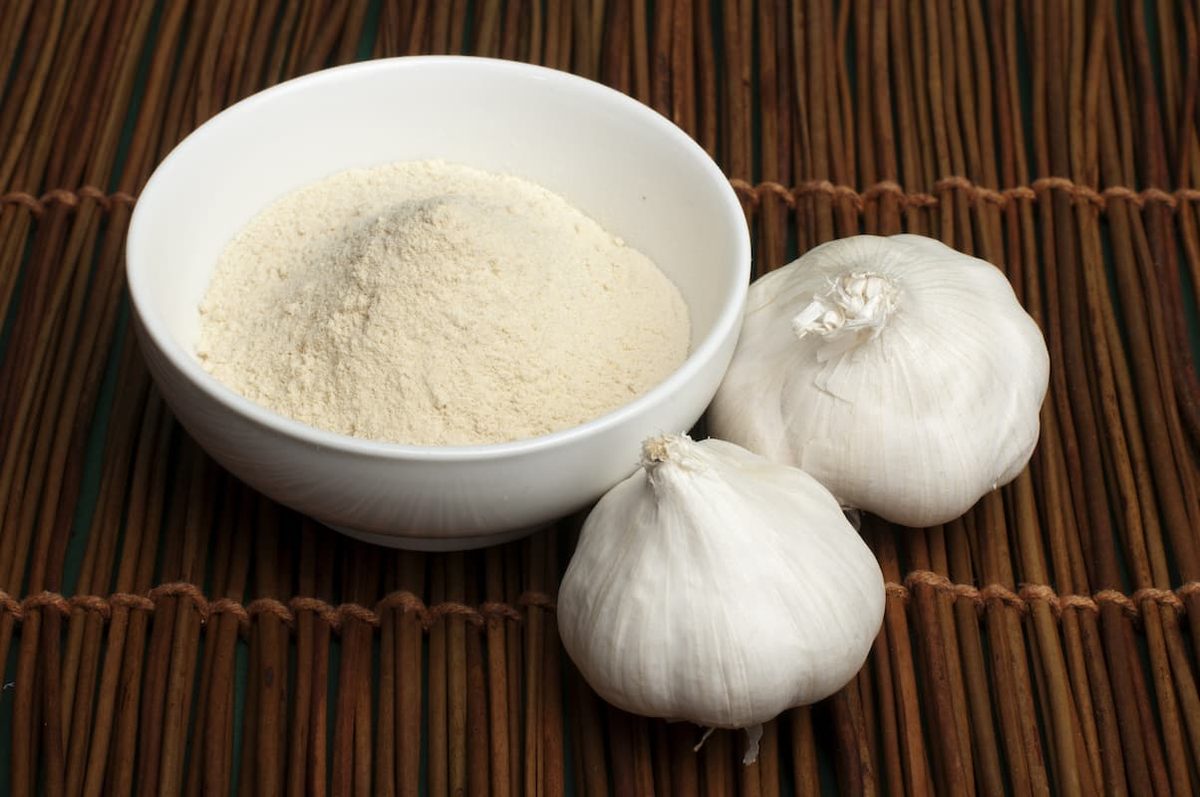
Too much garlic shows up in three ways: a raw, hot bite in something uncooked or barely cooked, a bitter or acrid taste because the garlic burned, or simply more garlic than the rest of the dish can carry. Taste, find your problem below, and start with the first fix in that section.
Quick answer
| What’s wrong | Fastest fix | If that’s not enough |
|---|---|---|
| Whole or large pieces of garlic in the dish | Fish them out now | Dilute what’s left |
| Too much garlic, overall | Add more of everything else, or make a garlic-free second batch and combine | Balance with acid, a little sweetness, fresh herbs or something creamy |
| Sharp, raw bite (salsa, dressing, aioli, pesto) | Dilute with more of the base | Brighten with lemon or vinegar; next time, heat the cloves first |
| Bitter or acrid (garlic burned in the pan) | Move the food to a clean pan without scraping | A pinch of sugar or a little salt; redo the step if the oil tastes burnt |
Why fresh garlic gets so strong
Raw garlic’s sharpness comes from allicin, which forms only when the clove’s cells are damaged by cutting, crushing or chewing. Damage releases an enzyme, alliinase, and the reaction is fast: in crushed garlic it is complete within 10 to 60 seconds.1 The more you cut, the more allicin you get. America’s Test Kitchen ranks whole cloves as mild, sliced as moderate, minced as strong and paste as the sharpest, and notes that minced garlic left sitting keeps developing stronger flavor.2
That is why the same number of cloves can taste very different from one recipe to the next, and why garlic grated into a cold sauce tends to be the version that overwhelms.
Sheer volume: too much garlic for the dish
Take out what you can. If the garlic went in as whole cloves, halves or thick slices, lift them out with a slotted spoon. This is the only fix that actually removes garlic rather than diluting or masking it.
Dilute. Add more of everything except garlic: more liquid or tomatoes to a soup or sauce, more of the main ingredients to a stew or stir-fry. If you can’t add to the dish without changing it, Tasting Table suggests cooking a garlic-free second batch and combining the two.3 Equal batches halve the concentration. Freeze the extra.
Balance with acid. A squeeze of lemon or lime, or a splash of vinegar, gives your palate a bright note to register alongside the garlic; Tasting Table recommends lemon at the end, and vinegar.3 No source we found shows acid chemically weakening garlic flavor, so treat this as balancing, not neutralizing. Add a little at a time so the dish doesn’t turn sour.
Add a little sweetness. The same guide suggests honey or sugar to soften garlic’s sharp, sometimes bitter edge.3 It suits dishes that already carry some sweetness, such as tomato sauce, glazes and stir-fry sauces.
Fresh herbs. Parsley, basil, cilantro or chives stirred in at the end add a fresh note that competes with the garlic.3 Add a small handful, taste, and add more if the dish can take it.
Something creamy. Cream or yogurt in a dairy-friendly dish, coconut milk in a curry. Count this as kitchen judgment: it adds volume and mild richness. We found no source showing that dairy or fat binds garlic’s flavor compounds, so we won’t claim it does.
Harsh, raw bite
This is the problem in dishes where the garlic is never cooked: salsa, vinaigrette, aioli, pesto, tzatziki, garlic butter.
Dilute first. Make more of the base (more yogurt, mayonnaise, oil and vinegar, tomatoes) and scale the other seasonings to match.
Brighten it. Lemon, vinegar and fresh herbs help a raw-tasting sauce the same way they help a cooked one.3
What heat can and can’t do. Heat inactivates alliinase.1 In America’s Test Kitchen’s test, cloves heated to 140°F or above lost much of their raw bite; blanching for 5 minutes (in milk or water) and microwaving worked equally well, and toasting in a dry skillet was the least effective.4 Note what that test covers: whole cloves heated before they are cut, so the enzyme is switched off before it can make allicin. Once allicin has formed, stopping the enzyme doesn’t remove it. Allicin itself is unstable and breaks down into other compounds,1 but we found no test of how quickly that happens in a finished sauce, so we can’t promise that warming one will tame it. Dilution is the reliable fix.
Bitter or acrid: the garlic burned
Minced garlic added to a hot pan too early can burn quickly and turn acrid and bitter.5
Get the food out of the burnt pan. Transfer it to a clean pan and leave the scorched layer behind. Don’t scrape the bottom, which only adds burnt flavor.6
Blunt what bitterness remains. In controlled taste tests, sweet tastes and sodium salts both suppressed bitterness, with sugar the strongest suppressor; citric acid was the weakest.7 Those were pure taste solutions, not food, but they point the same way as kitchen practice: a pinch of sugar, or a little more salt if the dish can take it, is more likely to help than lemon.
Start the step over if you can. If the oil itself tastes burnt and the dish hasn’t gone far, discard it and cook a fresh batch of aromatics. In our judgment, that beats masking a strong burnt flavor.
Fixes that don’t hold up
A potato in the pot. The idea comes from the oversalted-soup trick, and even there a Tasting Table writer calls the potato “more of an aid than a final answer.”8 We found no test of a potato against garlic. Potato does add bland bulk, so if it belongs in the dish, leave it in and count it as dilution.
Lots of onion. Onion and garlic are close relatives in the genus Allium.910 Adding a lot of onion piles a second strong allium flavor on top of the first. It does not reduce the garlic.
Preventing it next time
Choose the cut for the strength you want. Whole or sliced cloves give milder flavor than minced or grated.2 For a gentle background note, use whole cloves you can remove later.
Heat first for raw uses. For a dressing or dip that needs garlic without the burn, warm the peeled cloves in the microwave or blanch them before chopping.4
Add it at the right time. Add minced garlic after onions or other vegetables have softened, not to an empty hot pan.5
Start small. No source gives a measured “right” amount of garlic per serving, and cloves vary in size. Our suggestion is to start with the low end of a recipe’s range, taste once the dish has cooked a few minutes, and add more if you want it. Garlic is easy to add and hard to take out.
Related
- Too much garlic powder
- Garlic powder vs. garlic
- Fresh garlic substitutes
- How to dry garlic
- Too much salt
Footnotes
-
Garlic, Linus Pauling Institute Micronutrient Information Center, Oregon State University. lpi.oregonstate.edu · Reference work ↩ ↩2 ↩3
-
The Strength of Garlic’s Flavor Depends on How You Cut It, Carolyn Grillo, America’s Test Kitchen, 2022. americastestkitchen.com · Publication ↩ ↩2
-
Simple Ways To Tone Down The Pungency Of Garlic, Harmony Colangelo, Tasting Table, 2023. tastingtable.com · Publication ↩ ↩2 ↩3 ↩4 ↩5
-
Taking the Bite out of Garlic, America’s Test Kitchen. americastestkitchen.com · Publication ↩ ↩2
-
Why You Should Wait to Add Garlic, Liz Bomze, America’s Test Kitchen, 2023. americastestkitchen.com · Publication ↩ ↩2
-
What To Do With Burnt Soup, Karen Greco, Tasting Table, 2022. tastingtable.com · Publication ↩
-
Green BG et al., Taste Mixture Interactions: Suppression, Additivity, and the Predominance of Sweetness, Physiology & Behavior, 2010. pmc.ncbi.nlm.nih.gov · Peer-reviewed ↩
-
How To Fix An Oversalted Soup, Alison Spiegel, Tasting Table, 2016. tastingtable.com · Publication ↩
-
Allium sativum L., Plants of the World Online, Royal Botanic Gardens, Kew. powo.science.kew.org · Reference work ↩
-
Allium cepa L., Plants of the World Online, Royal Botanic Gardens, Kew. powo.science.kew.org · Reference work ↩