Spice Fixes · Fix
Too Much Mayonnaise? How to Fix a Gloppy Salad or Sandwich Filling
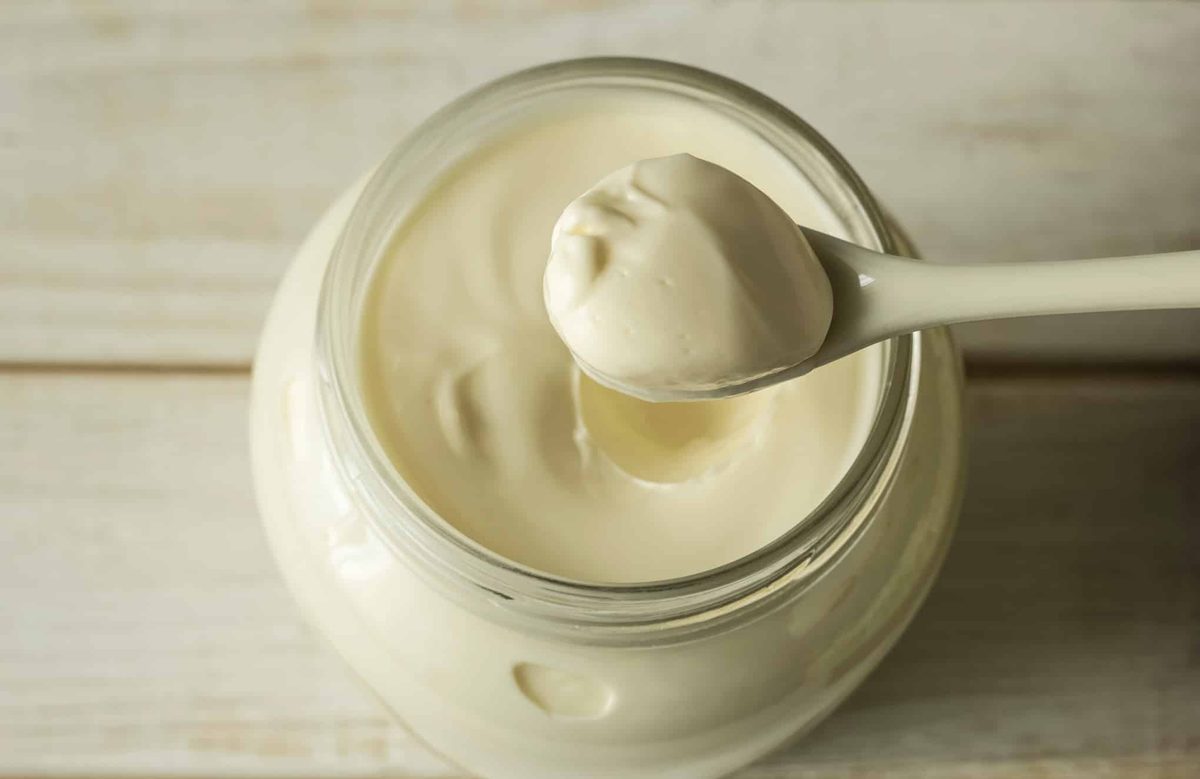
Too much mayonnaise is mostly a texture problem: potato salad, slaw, or tuna or egg salad that’s heavy, slick and uniform, with every bite tasting of the dressing. It is also a richness problem. In the U.S., anything sold as mayonnaise must be at least 65 percent vegetable oil by weight, made with egg yolk and acidified with vinegar or lemon or lime juice.1 So an extra half cup is mostly extra oil. Here’s how to fix it, fastest first.
Quick answer
| What’s wrong | Fastest fix | If that’s not enough |
|---|---|---|
| Salad is swimming in dressing | Add more of the main ingredients (potatoes, pasta, cabbage, eggs, tuna) | Drain or scrape off excess dressing |
| Heavy, rich, one-note | Add acid: lemon juice, vinegar, pickle brine | Add mustard, horseradish or hot sauce |
| Mushy, uniform texture | Add something crunchy: celery, onion, pickles, apple | Add fresh herbs |
| Sandwich spread too thick | Scrape it off the bread | Add sliced vegetables for moisture and crunch |
Too much dressing for the dish
Add more of everything else. More cooked pasta or potatoes, more shredded cabbage, more chopped eggs or another can of tuna. This is the only fix that lowers the ratio of mayo to everything else.
One catch: don’t plan on freezing the extra. Egg, chicken, ham, tuna and macaroni salads keep 3 to 4 days in the refrigerator and do not freeze well, according to the federal cold storage chart.2 Make only as much extra as you’ll eat in that time.
Drain it. If a slaw or cucumber salad has sat in the refrigerator and thin dressing has collected at the bottom of the bowl, pour it off instead of stirring it back in. Keep the salad chilled while it sits.
Scrape or rinse it off. For pasta salad or slaw that’s simply coated too heavily, tip it into a colander and let excess dressing drain, or give it a quick cold rinse, then re-dress lightly. Rinsing works best for sturdy ingredients like pasta and cabbage; it will wash off seasoning too, so taste and re-season.
Too rich and one-note
These are cooking judgment rather than tested remedies.
Acid. Lemon or lime juice, cider or white wine vinegar, or pickle brine cuts through the richness and makes the dressing taste lighter. Add a spoonful, stir, taste.
Sharp or spicy flavors. Dijon or yellow mustard, prepared horseradish, a pinch of cayenne, or hot sauce give the palate something stronger than the mayo to notice. A little goes a long way; see too much wasabi if horseradish gets out of hand.
Fresh herbs and alliums. Dill, parsley, chives or green onions add a fresh, green note.
Thin it rather than adding more mayo. If the dressing is too thick and clings in a heavy coat, loosen it with a splash of vinegar, a little olive oil, or pickle brine so it spreads more thinly over each piece. This works especially well for macaroni salad.
Mushy texture
Too much mayonnaise makes egg, tuna and chicken salad soft and uniform.
Add crunch. Chopped celery, red onion, pickles, apple, radishes, toasted nuts or crumbled bacon break up the texture and add flavor. Pick what fits the dish.
Serve it differently. On crisp lettuce leaves, crackers or toasted bread, an overly creamy salad reads as a spread rather than a soggy filling.
Preventing it next time
Dress in stages. Add about half the mayonnaise, stir, let the salad sit a few minutes, then add more if needed. We found no standard amount of mayo per pound of potatoes or pasta, so treat a recipe’s amount as a ceiling to work up to, not a target.
Keep it cold. Mayonnaise salads belong in the refrigerator and keep 3 to 4 days.2
Related
Footnotes
-
21 CFR 169.140, Mayonnaise, U.S. Food and Drug Administration. ecfr.gov · Regulator ↩
-
Cold Food Storage Chart, FoodSafety.gov. foodsafety.gov · Regulator ↩ ↩2