Spice Substitutes · Substitutes
Huacatay Substitutes: What Works When You Can’t Find Peruvian Black Mint
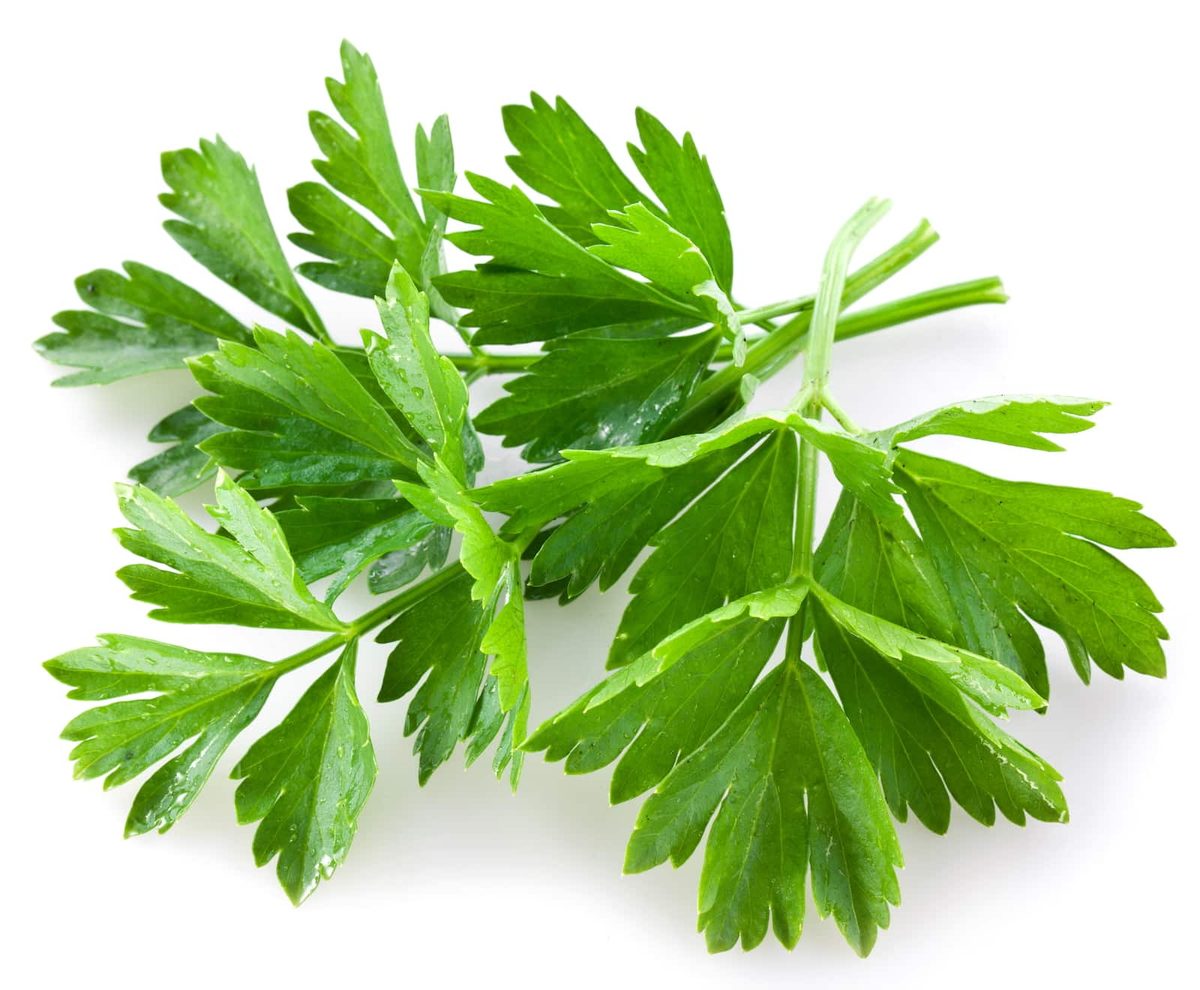
Huacatay is Tagetes minuta, a marigold native to South America.12 It is sometimes called black mint,3 but it is not a mint. Its leaves are the defining flavor of ocopa, the peanut-and-chile sauce from Arequipa served over boiled potatoes.3 No common herb tastes like it, and the chemistry explains why. Your best options are, in order, a jar of huacatay paste, then a blend of fresh herbs that gets you into the same neighborhood.
Quick answer
| What huacatay is doing | Best substitute | Starting amount | Treatment |
|---|---|---|---|
| Lead herb in ocopa or another blended sauce | Huacatay paste | 1 tsp paste in place of the fresh leaves | Attributed |
| Herbal top note in sauces and salsas | Fresh mint and basil, with a little tarragon | About half the volume of huacatay leaves, mostly mint | Method |
| Fresh green note in a salsa or garnish | Cilantro | About half the volume, then taste | Method |
| Andean cooking, if you can find it | Muña (Minthostachys mollis) | About half the volume, then taste | Method |
How the ratios on this page are labeled
Every ratio carries one of four labels.
- Computed: based on a measurable physical relationship, with the source named.
- Attributed: a named source publishes this ratio. We quote it as theirs.
- Disputed: named sources give different answers to the same swap. We show each one and do not average them.
- Method: we found no published ratio. We give a direction and a cautious starting point, and say so.
We found no published ratio for replacing huacatay with any other herb. Most amounts on this page are starting points.
Why nothing matches
A 2018 review in Molecules says the main compounds of T. minuta essential oil are acyclic monoterpene ketones: tagetone, dihydrotagetone and tagetenone.4 The proportions vary widely. A commercial oil from Madagascar was led by tagetone and dihydrotagetone, while one Argentine sample was 66.3 percent limonene, and the review calls the compositions very variable.4 These figures are for distilled oil, not the fresh leaf.
The usual substitutes are built on other compounds:
| Herb | Main aroma compounds reported |
|---|---|
| Huacatay | Tagetone, dihydrotagetone, tagetenone; limonene in some samples4 |
| Peppermint | Menthol and menthone5 |
| Spearmint | Carvone5 |
| Cilantro (leaf) | Aldehydes, more than 80 percent of the leaf’s volatile compounds6 |
| Muña | Pulegone, menthone and limonene7 |
| Lemon verbena | Geranial and neral (citral)8 |
None of them contains huacatay’s ketones. That is why a blend of herbs, each covering part of the flavor, usually works better than any one herb alone. How huacatay tastes is a matter of description, not chemistry, and ours is this: loud and resinous, somewhere between mint, basil, tarragon and citrus peel, with a musky marigold edge.
If huacatay is the lead herb in a sauce
Huacatay paste
Jarred huacatay paste is the same plant in a shelf-stable form. Chef Flavio Solórzano’s ocopa recipe, published on Peru Delights, lists huacatay leaves or 1 teaspoon of huacatay paste.3 It is usually found in Latin American groceries and online; that is common practice, not a sourced finding.
Ratio (Attributed): Solórzano uses 1 teaspoon of paste in place of the fresh leaves.3 His recipe gives no amount for the leaves, so this is not a measured equivalent. The same recipe marks huacatay as optional,3 which tells you the sauce still works without it, though it will not taste like classic ocopa.
If huacatay is an herbal top note
Fresh mint and basil, with a little tarragon
Ratio (Method): No published ratio exists. In a sauce or salsa that calls for a handful of huacatay leaves, start with about half that volume of mixed herbs, mostly mint, with some basil and a few leaves of tarragon. Blend, taste and add more. This approach comes from matching flavors by taste, not from any test. In our judgment, mint covers huacatay’s cool, minty side, and basil and tarragon add some of its sweet, anise-like depth.
If you only have dried herbs, NDSU Extension equates 1 tablespoon of finely cut fresh herbs with 1 teaspoon of dried.9 That conversion is Computed on a fresh-to-dried basis. It says nothing about whether dried mint resembles huacatay, and in a fresh sauce like ocopa, fresh herbs are the better choice in our judgment.
If huacatay is a fresh green note
Cilantro
Cilantro is easy to find and adds a fresh green note to salsas and garnishes. Its flavor is very different from huacatay’s, and the chemistry agrees: cilantro leaf’s aroma is dominated by aldehydes,6 while huacatay’s is built on ketones.4 It is sometimes said that the two taste alike. We found no source supporting this.
Ratio (Method): No published ratio was found. Start with about half the volume of huacatay called for, taste, and add more. Use it where freshness matters more than huacatay’s specific flavor.
In Andean cooking, if you can find it
Muña
Muña is Minthostachys mollis, a member of the mint family (Lamiaceae) native from Venezuela to western South America.10 Kew records that it is used as a medicine and for food.10 A 2026 review reports that its essential oil is mainly composed of monoterpenes such as pulegone, menthone and limonene.7 That puts it closer to the mints than to huacatay, though it shares limonene with some huacatay samples.47
Outside the Andes, muña is about as hard to find as huacatay.
Ratio (Method): No published ratio was found. Start with about half the volume of huacatay and taste.
Other suggestions, and one to avoid
Lemon verbena. Its oil is dominated by geranial and neral, the two forms of citral.8 It gives a strong lemon note that huacatay lacks. If you use it, pair it with mint and keep it to a few leaves (Method; no ratio exists).
Epazote is not recommended. It is sometimes suggested because it is another pungent herb from the Americas, but its flavor is unrelated. Katzer finds its fragrance strong but difficult to describe,11 and its essential oil is high in ascaridole, which he calls toxic.11 TRAMIL reports that a single oral dose of 5 ml of the oil has been lethal in adults.12 Katzer notes that the fresh herb is used in soups, salads and meat dishes,11 but nothing about epazote makes it a better huacatay stand-in than the herbs above.
What isn’t known
- No published ratio exists for replacing huacatay with any herb. Every amount here except Solórzano’s paste is a starting point.
- The oil analyses describe distilled oil from specific samples. We found no analysis of the fresh leaves sold in Peruvian markets.
- It is sometimes said that huacatay is a good substitute for cilantro for people who dislike cilantro’s soapy taste. We found no source for this, and the two herbs’ chemistry is unrelated.
Related
- Huacatay and Peruvian spices
- Mint, spearmint and mint substitutes
- Cilantro and cilantro substitutes
- Lemon verbena, epazote and epazote substitutes
- Tarragon and basil vs. mint
Footnotes
-
Tagetes minuta L., Plants of the World Online, Royal Botanic Gardens, Kew. powo.science.kew.org · Reference work ↩
-
21 CFR 172.510, Natural flavoring substances, US Food and Drug Administration. ecfr.gov · Regulator ↩
-
Solórzano, Ocopa Sauce, Peru Delights, 2017. perudelights.com · Publication ↩ ↩2 ↩3 ↩4 ↩5
-
Salehi et al., Tagetes spp. Essential Oils and Other Extracts, Molecules, 2018. mdpi.com · Peer-reviewed ↩ ↩2 ↩3 ↩4 ↩5
-
Singh and Pandey, Prospective of Essential Oils of the Genus Mentha as Biopesticides, Frontiers in Plant Science, 2018. frontiersin.org · Peer-reviewed ↩ ↩2
-
Coriandrum sativum (PROSEA), Plant Resources of South-East Asia. uses.plantnet-project.org · Reference work ↩ ↩2
-
Eduardo et al., Minthostachys mollis: Chemical composition, biological activities and potential applications, Scientia Agropecuaria, 2026. revistas.unitru.edu.pe · Peer-reviewed ↩ ↩2 ↩3
-
Sprea et al., Volatile Compounds and Biological Activity of the Essential Oil of Aloysia citrodora, Molecules, 2023. mdpi.com · Peer-reviewed ↩ ↩2
-
Garden-Robinson, Ingredient Substitutions (FN198), NDSU Extension. ksre.ksu.edu · Reference work ↩
-
Minthostachys mollis (Benth.) Griseb., Plants of the World Online, Royal Botanic Gardens, Kew. powo.science.kew.org · Reference work ↩ ↩2
-
Katzer, Epazote, Gernot Katzer’s Spice Pages. gernot-katzers-spice-pages.com · Reference work ↩ ↩2 ↩3
-
Dysphania ambrosioides, TRAMILibrary monograph, TRAMIL. tramil.net · Reference work ↩