Blog · Profile
Herbs for Inflammation: What the Evidence Actually Shows, Herb by Herb
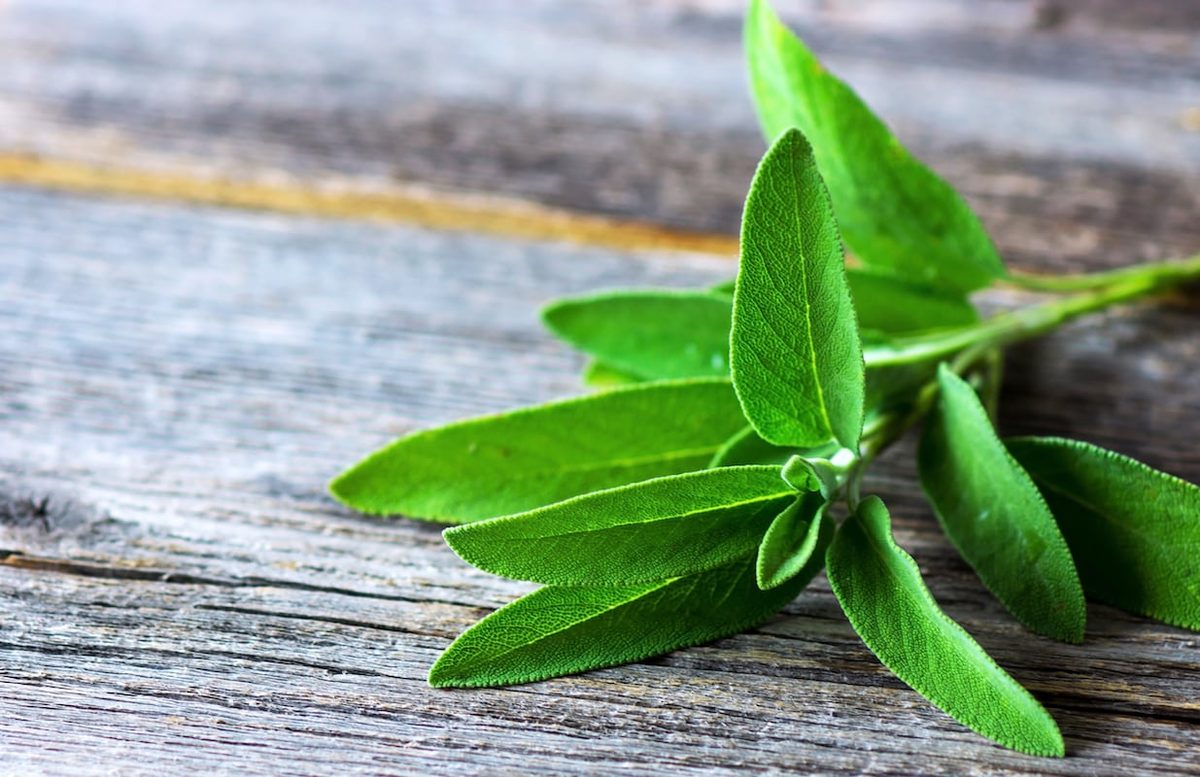
Lists of “anti-inflammatory herbs” are everywhere, and most of them rest on laboratory and animal studies of plant extracts, not on evidence that eating or drinking the herb reduces inflammation in people. This page checks each herb commonly named against the U.S. National Center for Complementary and Integrative Health (NCCIH) and published systematic reviews, and says what kind of evidence exists. None of it shows that any herb treats, cures or prevents an inflammatory disease. If you have arthritis, gum disease, asthma or any other inflammatory condition, talk to your doctor before adding a supplement, particularly if you take other medicines.
At a glance
| Herb | Best evidence we found | Kind of evidence | What it shows |
|---|---|---|---|
| Turmeric (a spice, included for comparison) | NCCIH1 | Several meta-analyses of human trials | Initial evidence for knee osteoarthritis is positive; higher-quality evidence needed |
| Ginger (a spice, included for comparison) | NCCIH2 | Human studies | Supplements might help knee osteoarthritis symptoms |
| Holy basil (tulsi) | Systematic review, 20173 | 24 human studies, mostly low quality | Favorable results reported; evidence not strong enough for any specific use |
| Hibiscus (Hibiscus sabdariffa) | Meta-analysis, 20224 | 17 randomized trials | Lowered systolic blood pressure; inflammation not reported |
| Chamomile | NCCIH5 | Human studies | Not enough reliable evidence to rate clinical usefulness for specific conditions |
| Aloe vera | NCCIH6 | Human studies | Topical gel may help burns; not enough evidence for ulcerative colitis or IBS |
| Sage | NCCIH7 | Small amounts of human research | No definitive conclusions; NCCIH does not discuss inflammation |
| Peppermint (mint) | NCCIH8 | Human trials of the oil | Oil capsules may help IBS symptoms; little research on the leaf |
| Rosemary, cilantro, parsley, bay leaf | None found | Not found | No NIH summary or systematic review on inflammation found |
Measured values
3 figures, sourced| Measure | Value | Scope | Source |
|---|---|---|---|
| Holy basil essential oil: methyl eugenol | 683.90 µg/mL of oil | Thai analysis of holy basil essential oils; red holy basil oilConcentration in the oil, not a percentage | mdpi.com |
| Holy basil essential oil: methyl eugenol | 98.44 µg/mL of oil | Thai analysis of holy basil essential oils; white holy basil oilConcentration in the oil, not a percentage | mdpi.com |
| Cilantro leaf volatiles: aldehydes | more than 80 % of the leaf volatile compounds | scope not stated on source page | uses.plantnet-project.org |
Each figure is quoted as its source states it, with the samples or standard it applies to. Where sources differ, both are shown; nothing is averaged. All measured values
What “anti-inflammatory” usually means in these lists
Research on plants and inflammation comes at different levels: test-tube studies of an extract or isolated compound, animal studies, and human trials, which are often of a concentrated supplement rather than the culinary herb. The strongest evidence is a systematic review or meta-analysis of human trials, and NIH’s NCCIH summaries are a good guide to where that evidence stands. We use them as the main yardstick below.
Turmeric and ginger: the most studied
Turmeric and ginger are spices rather than leafy herbs, but they are the plants with the most human research on inflammatory conditions, so they set the bar for the rest.
- Turmeric. Several meta-analyses have looked at oral turmeric or curcumin for osteoarthritis. NCCIH’s verdict for knee osteoarthritis is that the initial evidence is positive, but higher-quality evidence is needed.1 Overall, NCCIH says not enough is known to conclude definitively whether turmeric or curcumin is beneficial for any health purpose.1 Safety matters here: liver damage has been reported in some people taking turmeric supplements, with cases linked to products formulated for higher bioavailability,1 and LiverTox calls turmeric the most common cause of clinically apparent herbal liver injury in the United States.9 That concerns supplements, not turmeric used in cooking. See turmeric.
- Ginger. NCCIH says ginger dietary supplements might be helpful for symptoms of knee osteoarthritis.2 See ginger.
Holy basil (tulsi)
Holy basil, Ocimum tenuiflorum, is native to tropical and subtropical Asia through the western Pacific, according to Kew.10 NCCIH has no fact sheet on it.11 The main systematic review, by Jamshidi and Cohen (2017), found 24 human studies on metabolic disorders, cardiovascular disease, immunity and neurocognition. All reported favorable outcomes and none reported significant adverse events.3 But the authors judged only a minority of the studies to be high quality, said effects may have been overestimated, and called for further work on mechanisms, dosage and dose form.3 That review does not establish holy basil as a treatment for arthritis, fibromyalgia or any inflammatory condition.
The compound most often credited is eugenol. In a Thai analysis of holy basil essential oils, the dominant aroma compound was methyl eugenol, a different molecule, at 683.90 µg/mL in red holy basil oil.12 White holy basil oil in the same study had 98.44 µg/mL.12 Oil composition differs even between holy basil types.
Hibiscus
A 2022 systematic review and meta-analysis of Hibiscus sabdariffa included 17 longer-term randomized trials. Hibiscus lowered systolic blood pressure more than placebo, and the authors called for more studies to establish an effective dose and treatment duration.4 The abstract reports on blood pressure and cardiometabolic markers, not inflammation. We found no systematic review supporting claims that hibiscus eases kidney inflammation.
Chamomile
NCCIH says chamomile is promoted for colds, indigestion, anxiety and insomnia, and used on the skin and as a mouthwash.5 Studies of chamomile for specific conditions “have not produced sufficient reliable evidence to rate clinical usefulness.”5 Small studies suggest chamomile mouthwashes may help with mouth swelling or irritation caused by cancer treatment.5
Safety: chamomile is likely safe in the amounts found in teas, but people allergic to related plants such as ragweed, chrysanthemums, marigolds or daisies can react to it, and interactions with warfarin and some drugs metabolized by the liver have been reported.5
Aloe vera
NCCIH says clinical research suggests topical aloe gel may speed burn healing and reduce burn pain.6 For oral use, there isn’t enough reliable information to say whether aloe helps conditions including irritable bowel syndrome and ulcerative colitis.6 Oral aloe carries real risks: aloe latex can cause abdominal pain, cramps and diarrhea; the FDA required aloe latex to be removed from over-the-counter laxatives because of a lack of safety data; and oral aloe leaf extracts have been linked to cases of acute hepatitis.6
Sage
NCCIH says only small amounts of research have been done on sage for health conditions, so definitive conclusions cannot be reached; its sage page does not discuss inflammation, gum disease or arthritis.7 Sage is likely safe in food amounts, but it contains thujone, which can be toxic in large amounts, and it may be unsafe during pregnancy.7 The European Medicines Agency has concluded that the benefits of sage essential oil do not outweigh its risks.13
Peppermint and other mints
NCCIH says very little research has been done on peppermint leaf. Peppermint oil in enteric-coated capsules may improve irritable bowel syndrome symptoms in adults.8 That is a finding about a concentrated oil and a bowel condition, not evidence that mint reduces lung or joint inflammation. We found no NIH summary or systematic review supporting mint for asthma.
Rosemary, cilantro, parsley and bay leaf
We found no NCCIH fact sheet or systematic review of human trials on these herbs and inflammation, and NCCIH has no fact sheet on bay leaf.11 Claims about them in popular lists could not be traced:
- Rosemary. Claims that rosmarinic acid blocks prostaglandin production in the body could not be traced to human evidence.
- Cilantro. Claims that it relieves arthritis pain through opioid pathways could not be traced. PROSEA describes the volatile compounds of the leaf as more than 80% aldehydes.14
- Parsley. Claims that parsley’s vitamin C or apigenin stop inflammation could not be traced to human evidence.
- Bay leaf. Parthenolide is often credited, but it is not among the main components reported for bay leaf oil, which is led by 1,8-cineole, sabinene and linalool.15
The bottom line
Culinary herbs are worth cooking with for flavor. As medicine, the human evidence is thin for almost all of them, and the plants with the most research, turmeric and ginger, have it for supplements in specific conditions, with safety caveats. Anyone considering an herbal supplement for an inflammatory condition should talk to a health care provider first, especially if pregnant or taking blood thinners or other medicines.
Related
- Holy basil, holy basil vs basil
- Turmeric, cooking with turmeric
- Ginger, cooking with ginger
- Sage, rosemary, mint, peppermint
- Cilantro, parsley, bay leaves
Footnotes
-
Turmeric: Usefulness and Safety, NCCIH. nccih.nih.gov · Regulator ↩ ↩2 ↩3 ↩4
-
Ginger: Usefulness and Safety, NCCIH. nccih.nih.gov · Regulator ↩ ↩2
-
Jamshidi and Cohen, Evidence-Based Complementary and Alternative Medicine, 2017. pmc.ncbi.nlm.nih.gov · Peer-reviewed ↩ ↩2 ↩3
-
Ellis et al., Nutrition Reviews, 2022. eprints.whiterose.ac.uk · Peer-reviewed ↩ ↩2
-
Aloe Vera, NCCIH. nccih.nih.gov · Regulator ↩ ↩2 ↩3 ↩4
-
Sage, NCCIH. nccih.nih.gov · Regulator ↩ ↩2 ↩3
-
Peppermint Oil, NCCIH. nccih.nih.gov · Regulator ↩ ↩2
-
LiverTox: Turmeric, NIDDK. ncbi.nlm.nih.gov · Regulator ↩
-
Ocimum tenuiflorum L., Plants of the World Online, Royal Botanic Gardens, Kew. powo.science.kew.org · Reference work ↩
-
Herbs at a Glance, NCCIH. nccih.nih.gov · Regulator ↩ ↩2
-
Tangpao, Chung and Sommano, Foods, 2018. mdpi.com · Peer-reviewed ↩ ↩2
-
Public statement on herbal medicinal products containing thujone, European Medicines Agency. ema.europa.eu · Regulator ↩
-
Coriandrum sativum (PROSEA). uses.plantnet-project.org · Reference work ↩