Spices · Profile
Spices and Herbs for Weight Loss: What the Human Evidence Actually Shows
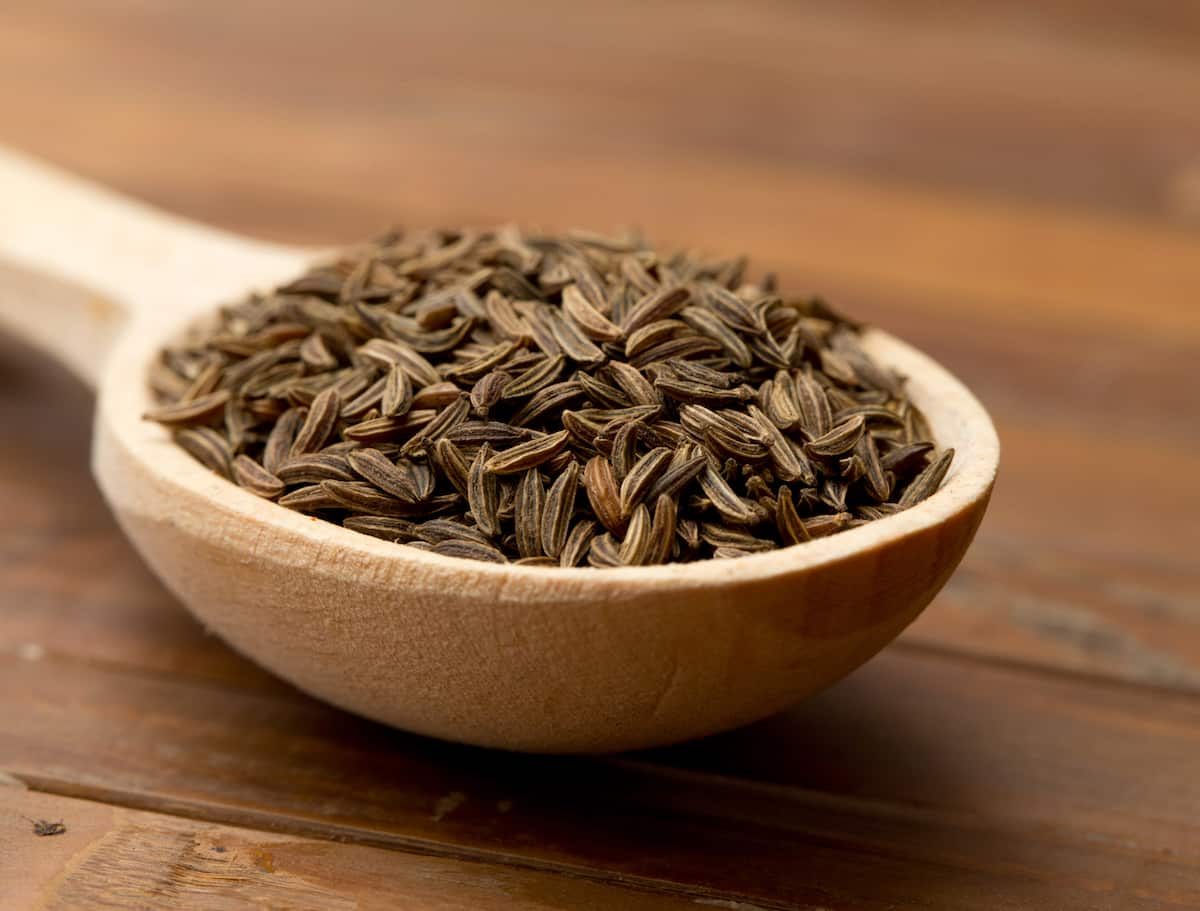
No spice or herb has been shown to produce meaningful weight loss in people. The NIH Office of Dietary Supplements (ODS) opens its weight-loss fact sheet with the conclusion that little is known about whether weight-loss supplements work,1 and the National Center for Complementary and Integrative Health (NCCIH) says that none of the supplements it lists for weight loss, among them green tea extracts, Chinese herbs and bitter orange, has been shown to be effective.2 A few culinary spices have small human trials behind them, mostly of capsules or extracts given to people who were overweight or had type 2 diabetes. This page goes through the spices most often named, says what kind of evidence exists for each, and what it does and does not show. Nothing here suggests that any spice treats or prevents obesity, and anyone considering a weight-loss supplement, especially with a health condition or while taking medicines, should talk to a doctor first.
At a glance
| Spice or herb | Best evidence found | Kind of evidence | What it shows |
|---|---|---|---|
| Chili peppers (capsaicinoids) | ODS fact sheet1 | Meta-analysis of 8 trials; one 12-week trial | About 74 kcal less eaten per meal; no significant change in body weight over 12 weeks |
| Cumin | Meta-analysis, 20183 | 7 randomized trials, 412 people | Pooled body weight change of −1.74 kg in overweight or type 2 diabetic adults |
| Ginger | Meta-analysis, 20184 | 14 randomized trials, 473 people | Lower body weight and waist-to-hip ratio; no effect on BMI |
| Cardamom | Meta-analysis, 20255 | 8 studies | No significant effect on weight or BMI |
| Cinnamon | NCCIH6 | Summary of human research | Unclear whether supplements help with weight loss |
| Garcinia cambogia (a relative of kokum) | ODS fact sheet1 | Human trials with conflicting results | Effect on body weight uncertain; liver toxicity reported |
| Fennel seed | EMA7 | Traditional use only | Accepted uses do not include weight loss |
| Rosemary | None found | None found | No NIH summary or systematic review of human trials found |
| Brown seaweed (fucoxanthin) | ODS fact sheet1 | One clinical trial, of a combination supplement | More research needed |
Supplements are not the same as spices in food
Almost all of the human research below tested capsules or extracts at fixed doses, not the amounts that end up in a curry or a pot of chili. Unlike drugs, dietary supplements do not need FDA review or approval before they are sold,1 and NCCIH warns that the FDA has found weight-loss products tainted with prescription drug ingredients.2 A result for one supplement in a trial says nothing certain about a different product on a shelf, or about a spice used in cooking.
Chili peppers and capsaicin
Capsaicinoids give chili peppers their pungency, and capsaicin is the most abundant and best studied of them.1 The ODS says they have been proposed to work against obesity by raising energy expenditure and lipid oxidation, but that most research on them has looked at how much people eat and how hungry they feel.1
- Appetite and intake. A meta-analysis of eight randomized, placebo-controlled trials, with 191 participants of normal weight or moderately overweight, found that capsaicinoids cut energy intake by an average of 74 kcal per meal.1 Body weight was not measured, so the ODS says the effect of that reduction on weight cannot be quantified.1 Other research the ODS cites suggests capsaicin increases fullness partly by causing gastrointestinal distress.1
- Body weight. A 2017 trial gave 77 overweight adults 2 mg or 4 mg of capsaicinoids a day for 12 weeks. The calorie reductions did not significantly change body weight at 6 or 12 weeks.1
- Safety. At 4 mg a day, capsaicinoid supplements can cause gastrointestinal distress, and they might raise serum insulin and lower HDL cholesterol; otherwise the ODS says they appear safe.1
A popular claim says capsaicin turns white body fat into brown fat that the body burns readily. The capsaicin section of the ODS fact sheet does not mention brown fat, and we found no human evidence for the claim. See cayenne pepper and chili powder.
Cumin
A 2018 systematic review and meta-analysis pooled seven randomized controlled trials of cumin, with data from 412 people who were overweight, had type 2 diabetes, or both.3 Compared with controls, cumin was linked to lower body weight (−1.74 kg), BMI (−0.67 kg/m²) and fasting blood glucose (−17.82 mg/dL).3 The authors note that the changes were related to the participants’ clinical condition and to study quality.3 The abstract does not say what form or dose of cumin was given or for how long, so the result does not show that cumin in everyday cooking helps people lose weight. The claim that cumin works by speeding up metabolism could not be traced to any source we reviewed. See cumin uses.
Ginger
A meta-analysis of 14 randomized controlled trials, with 473 overweight or obese subjects, found that ginger supplementation lowered body weight, waist-to-hip ratio, fasting glucose and insulin resistance and raised HDL cholesterol, but did not change BMI, insulin, triglycerides, or total and LDL cholesterol.4 The abstract we could read does not give the size of the weight change. Claims that ginger lowers the stress hormone cortisol and so prevents belly fat could not be traced to any source we reviewed. See cooking with ginger.
Cardamom and cinnamon
- Cardamom. A 2025 meta-analysis of eight studies found that cardamom supplementation lowered serum insulin but had no significant effect on fasting blood glucose, weight or BMI.5
- Cinnamon. NCCIH says it is unclear whether cinnamon supplements help with diabetes or weight loss.6 Most cinnamon sold in North America is cassia, and NCCIH notes that prolonged use of cassia could be a problem for sensitive people, such as those with liver disease.6 See cassia cinnamon.
Garcinia and kokum
Garcinia cambogia, sold as a weight-loss supplement, has fruit pulp and rind high in hydroxycitric acid (HCA).1 The ODS says the evidence on whether it works for weight loss is conflicting and that its effect on body weight remains uncertain.1 It also records 10 reported cases of liver toxicity, including one death and two liver transplants.1 Kokum is a different species, Garcinia indica,8 and the ODS findings concern G. cambogia supplements, not kokum rind used in cooking. See kokum.
Fennel seed
Fennel has an old medical reputation: PROSEA notes that Hippocrates and Dioscorides mentioned it as a diuretic.9 Today the European Medicines Agency accepts sweet fennel medicines for mild spasmodic digestive complaints including bloating and flatulence, for minor menstrual cramps, and as an expectorant in coughs with colds, and it bases this on traditional use, noting that clinical trials are limited.7 Weight loss is not among those uses. We found no systematic review showing that fennel suppresses appetite, reduces fat storage, or leads to weight loss. See fennel seed.
Rosemary
Rosemary is now classified as Salvia rosmarinus, in the mint family.10 We found no NIH summary or systematic review of human trials on rosemary and body weight. Claims that it suppresses appetite, or that its carnosic acid stops fat cells forming in people, could not be traced to human evidence.
Seaweed
Seaweeds such as kelp, nori, kombu and wakame are among the best food sources of iodine, though the amount varies greatly between species.11 For weight, the compound most studied is fucoxanthin, a carotenoid found in brown seaweed and other algae.1 The ODS reports only one clinical trial of a fucoxanthin supplement for weight loss, of a product combining brown seaweed extract with pomegranate-seed oil, says more research is needed, and notes that fucoxanthin’s safety has not been thoroughly evaluated in humans.1
The bottom line
Cook with these spices because they make food taste good. The best human evidence points to small effects of concentrated supplements in specific groups, and in the one longer capsaicin trial the ODS describes, eating slightly less did not add up to significant weight loss.1 Anyone thinking about a weight-loss supplement should talk to a health care provider first.
Related
- Herbs for inflammation: what the evidence shows
- Cumin, too much cumin
- Ginger, turmeric
- Cinnamon, cardamom, kokum
- Fennel seed, rosemary
Footnotes
-
“Dietary Supplements for Weight Loss: Fact Sheet for Health Professionals”, NIH Office of Dietary Supplements. ods.od.nih.gov · Regulator ↩ ↩2 ↩3 ↩4 ↩5 ↩6 ↩7 ↩8 ↩9 ↩10 ↩11 ↩12 ↩13 ↩14 ↩15 ↩16 ↩17 ↩18
-
“Weight Control”, NCCIH. nccih.nih.gov · Regulator ↩ ↩2
-
Jafarnejad et al., Journal of Functional Foods, 2018. nrl.northumbria.ac.uk · Peer-reviewed ↩ ↩2 ↩3 ↩4
-
“The effects of ginger intake on weight loss and metabolic profiles among overweight and obese subjects”, systematic review and meta-analysis, Taylor & Francis, 2018. core.ac.uk · Peer-reviewed ↩ ↩2
-
Nikpayam et al., Journal of Nutrition and Food Security, 2025. jnfs.ssu.ac.ir · Peer-reviewed ↩ ↩2
-
“Cinnamon: Usefulness and Safety”, NCCIH, 2024. nccih.nih.gov · Regulator ↩ ↩2 ↩3
-
“Foeniculi dulcis fructus”, European Medicines Agency. ema.europa.eu · Regulator ↩ ↩2
-
“Garcinia indica (Thouars) Choisy”, Plants of the World Online, Royal Botanic Gardens, Kew. powo.science.kew.org · Reference work ↩
-
Purwaningsih, Harmida and Brink, “Foeniculum vulgare”, PROSEA. uses.plantnet-project.org · Reference work ↩
-
“Salvia rosmarinus Spenn.”, Plants of the World Online, Royal Botanic Gardens, Kew. powo.science.kew.org · Reference work ↩
-
“Iodine: Fact Sheet for Health Professionals”, NIH Office of Dietary Supplements. ods.od.nih.gov · Regulator ↩