Cooking · Uses
Cumin Uses: The Blends, Dishes and Cuisines That Depend on It
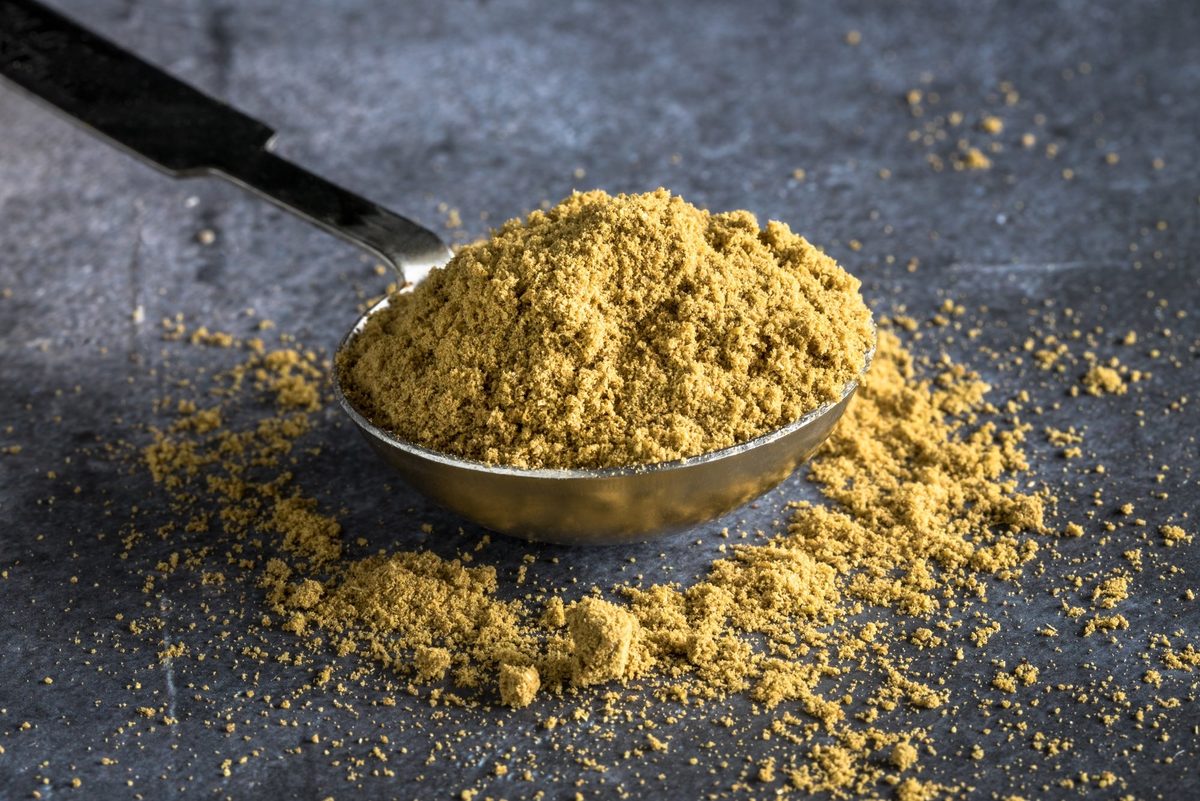
Cumin is the dried fruit of Cuminum cyminum, a plant whose native range Kew gives as Iraq to Afghanistan.1 Britannica calls it a standard ingredient in many mixed spices, chutneys, and chili and curry powders, and especially popular in Asian, North African and Latin American cooking.2 This page is a map of where cumin goes: the blends that rely on it, the dishes built around it, and the less obvious places it turns up. For what cumin is and where its aroma comes from, see the cumin profile.
At a glance
| Use | Form | Example | Source |
|---|---|---|---|
| Curry powder | Ground | Listed in the USDA curry powder specification | USDA3 |
| Chili powder | Ground | Listed with chili pepper, oregano, salt and garlic powder | USDA3 |
| Taco seasoning | Ground | Tacos called “very cumin-forward” | The Spice House4 |
| Indian tempering (tarka) | Whole seed, fried in fat | Added first, before garlic | NPR (Monica Bhide)5 |
| North Indian dals | Whole seed | Legumes “always” flavored with cumin | Katzer6 |
| Cumin lamb | Ground and whole | A Xinjiang dish | The Woks of Life7 |
| Tagines and couscous | Ground | Typical in tagine; in couscous spice mixes | Katzer6 |
| Cheese | Whole seed | Cheeses of the Netherlands and France | Katzer6 |
In spice blends
Cumin’s biggest job worldwide is as part of a blend. PROSEA says ground cumin is an essential ingredient of curry and chili powder.8
| Blend | What the sources say about cumin | Source |
|---|---|---|
| Curry powder | Listed among the ingredients curry powder should include, with turmeric, coriander, fenugreek, cinnamon, black pepper, ginger and cardamom; Katzer says almost all curry powders contain cumin | USDA,3 Katzer6 |
| Chili powder | Listed with ground chili pepper, oregano, salt and garlic powder | USDA3 |
| Taco seasoning | The Spice House says chili and tacos both have very cumin-forward flavors | The Spice House4 |
| Garam masala | Britannica says most versions vary around cinnamon, cardamom, cumin and peppercorn; Katzer notes some contain no cumin at all, and Bong Eats’s basic Bengali blend is cardamom, cinnamon and cloves | Britannica,9 Katzer,6 Bong Eats10 |
| Baharat | Cumin is listed in one merchant’s blend, with pepper, coriander, cloves, cardamom, nutmeg, cinnamon, allspice and paprika | Ottolenghi11 |
| Ras el hanout | Cumin seed is among the standard ingredients | Oxford Companion to Food12 |
Curry powder itself is a British creation rather than an Indian kitchen staple. Britannica says it was adapted by British settlers in India and let British cooks re-create the flavor of Indian food at home, while in India spice mixtures are called masala and are made at home.13 A common claim says garam masala was the blend curry powder was meant to imitate; we found no source for that.
Blends are where cumin’s amount is hardest to judge, because the label rarely says how much is in the jar. If a recipe calls for both a blend and extra cumin, taste the blend first.
In Indian cooking
Katzer calls cumin one of the most typical spices for India, in both the North and the South.6 It turns up in four main ways:
- Tempering. In a tarka, whole or ground spices are heated in hot oil or ghee.5 Monica Bhide’s NPR guide adds whole cumin seeds first, then chopped garlic.5 Katzer says there is hardly any tempering in India without cumin.6
- Dals and legumes. Katzer writes that legumes are always flavored with cumin in northern India, where the seeds are often used whole and fried; in Nepal and the Himalayan rim, the cumin may simply be cooked with the pulses.6
- South Indian curries. In the South, aggressively toasted spices are prized and cumin is a favorite, often in vegetable curries from Tamil Nadu and Karnataka.6 In Sri Lanka, Katzer found the strongest cumin flavor in beef curries.6
- Yogurt, chutneys and finishing. Katzer mentions toasted cumin sprinkled over dishes and used in salty yogurt drinks.6 Chutneys are one of the standard uses Britannica names.2
With meat
- Lamb. The Woks of Life describes cumin lamb as a Xinjiang dish, similar to grilled lamb skewers. Its recipe uses ground cumin in the marinade and 2 tablespoons of toasted cumin seeds for 1 pound of lamb shoulder.7 Katzer notes cumin is important in Uyghur cooking and popular across western and central Asia.6
- Beef. Katzer describes thin slices of beef stir-fried in a wok with cumin, chile and garlic.6
- Marinades. Katzer says cumin is needed for the marinades that prepare meats for short, intense broiling in northwestern Indian cooking.6
- Sausages. PROSEA lists sausages among cumin’s worldwide uses.8
A common claim says cumin offsets the gamey taste of lamb. We found no source for it; the pairing is well documented, the reason is not.
North Africa and the Middle East
Katzer calls cumin a common flavoring for Arabic-style dishes, typical in tagine and commonly found in commercial couscous spice mixes.6 In Morocco, AramcoWorld reports that ground cumin often sits on the table in a small dish beside the salt.14
Latin America
Cumin came to Mexico with Spanish colonists and traders, according to AramcoWorld.14 Katzer says it now appears in spice blends from Mexico to Peru and in Mexican mole sauces, but is generally used in moderation, so it does not put its stamp on the food.6
Less obvious uses
PROSEA’s list of cumin’s worldwide uses runs to soups, rice, meat dishes, stews, cheese, bread, pickles, salad dressings, sausages, chutneys and sauerkraut.8 Two stand out:
- Cheese. Katzer says cumin’s use in Europe is now largely limited to flavoring cheese in the Netherlands and France.6
- Southeast Asia. Katzer calls cumin very important in Burmese cooking, with a role in Thai and Indonesian cooking too.6
Whole seed or ground
The basics: McCormick gives 1 teaspoon of seeds as equal to 1 1/4 teaspoons ground (Attributed).15 Whole seeds can be dry-toasted or fried in fat; Katzer warns that ground cumin cannot be toasted because it chars quickly, and that if ground cumin goes into a dish that starts with frying onions, it should go in after the onions.6 America’s Test Kitchen likewise says ground spices burn fairly quickly and taste scorched.16 For more, see cumin seeds vs. ground cumin.
How much
PROSEA notes that only small quantities are needed to flavor food.8 Recipes vary widely: the cumin lamb above is deliberately cumin-heavy,7 while Katzer describes Mexican use as moderate.6 Our starting point (Method): 1 teaspoon of ground cumin, or 1 to 1 1/2 teaspoons of whole seed, for a pot of dal, chili or stew serving four, tasted near the end. If you overshoot, see too much cumin.
A buying note
In 2015, ground cumin was at the center of large US recalls over undeclared peanut; testing found some recalled products contained cumin with up to 5,000 parts per million of peanut.17 The American Spice Trade Association said at the time that it knew of no reports of whole cumin sold at retail testing positive.18 The full story, including the disputed question of how the peanut got there, is on the cumin profile.
Not yet measured
- How much cumin commercial chili powder, curry powder or taco seasoning contains; labels do not say.
- Why cumin and lamb pair well; the pairing is documented, the reason is not.
Related
- Cumin and cumin seeds vs. ground cumin
- Cumin substitutes and too much cumin
- Coriander vs. cumin, caraway vs. cumin, turmeric vs. cumin and cumin vs. curry powder
- Spices for taco meat
Footnotes
-
Cuminum cyminum L., Plants of the World Online, Royal Botanic Gardens, Kew. powo.science.kew.org · Reference work ↩
-
“Cumin”, Encyclopaedia Britannica. britannica.com · Reference work ↩ ↩2
-
Commercial Item Description A-A-20001C, Spices and Spice Blends, USDA Agricultural Marketing Service, 2023. ams.usda.gov · Regulator ↩ ↩2 ↩3 ↩4
-
“Cumin Substitute”, The Spice House, 2017. thespicehouse.com · Merchant ↩ ↩2
-
Monica Bhide, “The Crackling Spices of Indian Tempering”, NPR, 2011. npr.org · Publication ↩ ↩2 ↩3
-
Gernot Katzer, “Cumin”, Gernot Katzer’s Spice Pages. gernot-katzers-spice-pages.com · Reference work ↩ ↩2 ↩3 ↩4 ↩5 ↩6 ↩7 ↩8 ↩9 ↩10 ↩11 ↩12 ↩13 ↩14 ↩15 ↩16 ↩17 ↩18 ↩19 ↩20
-
Judy Leung, “Cumin Lamb”, The Woks of Life, 2015. thewoksoflife.com · Publication ↩ ↩2 ↩3
-
P.C.M. Jansen, Cuminum cyminum, Plant Resources of South-East Asia (PROSEA). uses.plantnet-project.org · Reference work ↩ ↩2 ↩3 ↩4
-
Tony Hill, “Garam masala”, Encyclopaedia Britannica, 2023. britannica.com · Reference work ↩
-
“Bengali Garam Masala”, Bong Eats, 2016. bongeats.com · Publication ↩
-
Baharat product page, Ottolenghi. ottolenghi.co.uk · Merchant ↩
-
“Ras-el-hanout”, The Oxford Companion to Food. app.ckbk.com · Reference work ↩
-
“Curry”, Encyclopaedia Britannica. britannica.com · Reference work ↩
-
Jeff Koehler, “Spice Migrations: Cumin”, AramcoWorld, 2021. aramcoworld.com · Publication ↩ ↩2
-
“How to Grind Your Own Spices”, McCormick, 2025. mccormick.com · Merchant ↩
-
“How to Bloom Spices”, America’s Test Kitchen, 2023. americastestkitchen.com · Publication ↩
-
Ishani Nath, “Investigating Motive and Spice Safety in the Big Peanut-Tainted Cumin Recalls”, Allergic Living, 2016. allergicliving.com · Publication ↩
-
ASTA statement on FDA consumer advice on ground cumin with undeclared peanuts, American Spice Trade Association, 2015. astaspice.org · Standard ↩