Spice Comparisons · Comparison
Wasabi vs. Horseradish: Different Plants, the Same Heat Compound
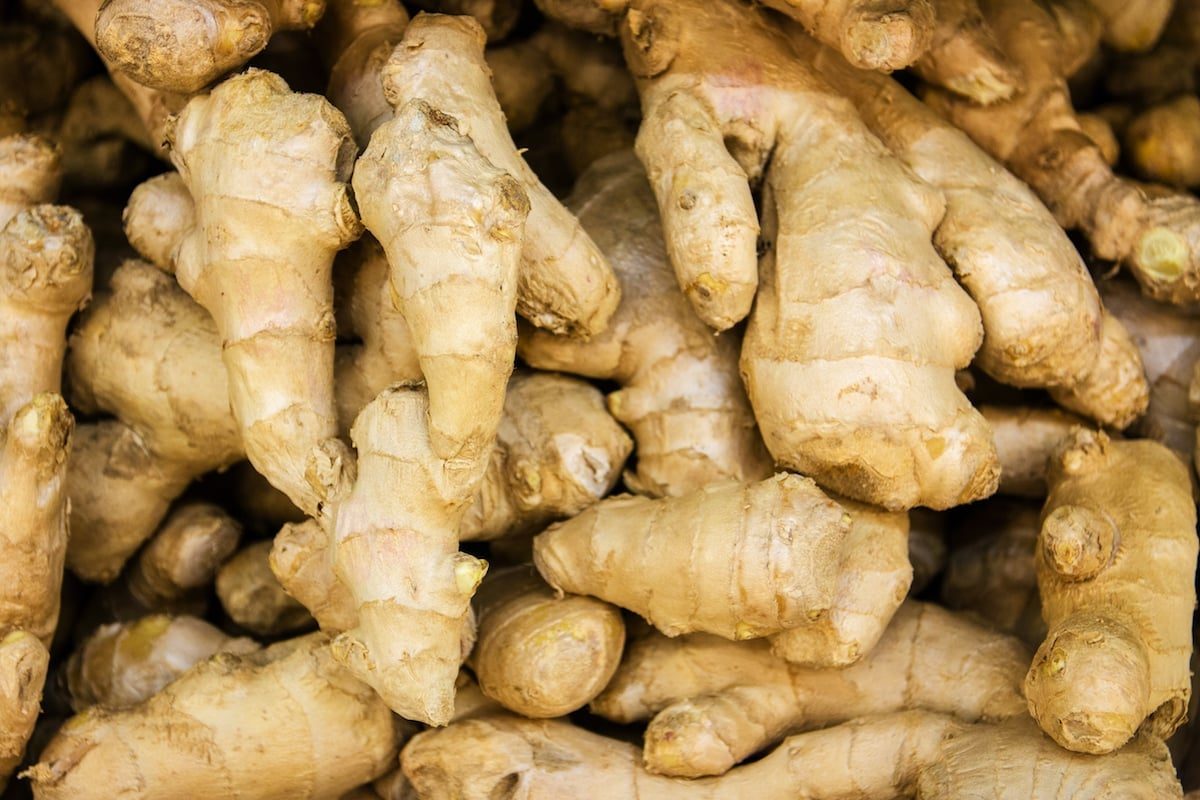
Wasabi and horseradish are different plants in the same family. Wasabi is the rhizome of Eutrema japonicum, native from South Korea and southern Sakhalin to Japan;12 horseradish is the root of Armoracia rusticana,3 native, by Kew’s account, from southern Ukraine to southern European Russia.4 Both are in the mustard family, Brassicaceae,23 and both get most of their heat from the same compound, allyl isothiocyanate.56 That shared chemistry is why horseradish can stand in for wasabi so easily, and why it usually does: Chowhound cites an estimate that about 99% of the wasabi sold in North America is not real wasabi.7
Side by side
| Wasabi | Horseradish | |
|---|---|---|
| Plant | Eutrema japonicum, syn. Wasabia japonica1 | Armoracia rusticana4 |
| Family | Brassicaceae2 | Brassicaceae3 |
| Native range (Kew) | South Korea, southern Sakhalin to Japan1 | Southern Ukraine to southern European Russia4 |
| Part used | Rhizome6 | Root3 |
| Main heat compound | Allyl isothiocyanate, 86% to 94% of the isothiocyanates in New Zealand-grown wasabi6 | Allyl isothiocyanate gives horseradish its distinctive flavor;5 it also carries 2-phenylethyl isothiocyanate, which wasabi lacks6 |
| Time to harvest | About two years (Chowhound); up to three (Embassy of Japan)78 | 140 to 160 days (Chowhound);7 Britannica: after one growing season3 |
| Growing | Specific requirements limit where it can be grown2 | A troublesome weed in many cool, moist areas3 |
| US price | Up to $100 a pound (Chowhound, 2023)7 | About $3 to $5 a pound (same source)7 |
| Once grated | Loses pungency in air; about 15 minutes, by Chowhound’s account57 | Grows milder over time; vinegar slows that, and grated root in vinegar holds its heat up to two weeks in the fridge (ATK)9 |
| Flavor (attributed and editorial) | “Delicate and slightly sweet,” with a faint heat that fades fast (Chowhound);7 clean and green (our description) | Sharp, hot and clean with an earthy, vegetal root flavor (our description) |
| Classic uses | Sushi and sashimi8 | Grated into vinegar as horseradish sauce;3 with roast beef, in cocktail sauce (common practice) |
The harvest times come from different sources describing different growers, so they need not agree. For each plant on its own, see wasabi and horseradish.
Same heat, different mix
Both plants keep their heat locked away until their cells are broken. Isothiocyanates are released when the tissue is cut or grated,5 which is why both are grated just before use. Allyl isothiocyanate dominates in both.56
The mix is not identical. In a Lincoln University doctoral study of seven isothiocyanates, 2-phenylethyl isothiocyanate turned up only in European horseradish.6 That is a measured chemical difference. How it changes the taste has not been tested in any source we found, so claims that horseradish is “earthier” or “more bitter” are descriptions, not findings.
Which is hotter? The sources disagree
| Source | What it says |
|---|---|
| Chowhound (Elias Nash, 2023) | Real wasabi is “delicate and slightly sweet, with a faint heat that dissipates quickly”; the horseradish-based fake most places serve is “much harsher in comparison”7 |
| Tasting Table (Deb Kavis, 2025) | Wasabi is similar to horseradish but “brings a greater intensity”; the article doesn’t say whether it means real wasabi or a horseradish-based paste10 |
| Tasting Table (Sylvia Tomczak, 2022) | Horseradish’s burn subsides “within a matter of minutes or even seconds”11 |
No source we found measured pungency across fresh wasabi, tube paste and prepared horseradish. A widely repeated claim says horseradish’s heat lingers longer than wasabi’s; Tasting Table’s account of horseradish fading within seconds to minutes doesn’t support it,11 and nothing measures the two side by side. Heat in both also depends on how long ago it was grated, and, for horseradish, when vinegar went in. Tasting Table, citing Taste of Home, says waiting several minutes before adding vinegar intensifies the heat.11
What “wasabi” usually is
Britannica says the wasabi paste of Western restaurants is commonly made from horseradish.2 Chowhound reports that the vast majority of commercial wasabi is European horseradish, mixed with mustard and citric acid and colored green to match real wasabi.7 Labels show it: one S&B wasabi powder lists horseradish, mustard and corn starch but no wasabi;12 one S&B tube lists 31% horseradish and 4.5% wasabi, along with sweetener, vinegar, salt and starches.13 The Embassy of Japan’s magazine says some restaurants in Japan use a cheaper horseradish-mustard mix as well.8
So tube “wasabi” is not simply prepared horseradish with a green tint. It carries mustard and, in the S&B tube, sweetener and salt that jarred prepared horseradish may not.13 For the details, see wasabi powder vs. paste and fresh wasabi vs. wasabi paste.
Can one stand in for the other?
Yes, and horseradish stands in for wasabi constantly. Britannica notes that horseradish is commonly used as a substitute for true wasabi.3
| Swap | Starting amount | Treatment |
|---|---|---|
| Wasabi paste in place of horseradish, in cocktail sauce | 1/2 teaspoon wasabi paste per 1 teaspoon horseradish | Attributed to Tasting Table10 |
| Fresh horseradish in place of bottled (prepared) horseradish | 1 tablespoon fresh for 2 tablespoons bottled | Attributed to NDSU Extension14 |
| Fresh horseradish in place of fresh wasabi | Grate just before serving; start with a smaller dab and taste | Method |
| Horseradish-based wasabi paste or powder in place of fresh wasabi | A smaller dab than you would use of fresh, then taste | Method |
Tasting Table’s ratio uses less wasabi paste than horseradish, consistent with its view that wasabi is the more intense of the two,10 but it is scoped to cocktail sauce. No source gives a ratio for horseradish in place of wasabi; see wasabi substitutes and horseradish substitutes.
Color. Commercial wasabi is colored green to look like the real thing.7 Grated horseradish is creamy white (our description), so where looks matter, the two are easy to tell apart.
Storage
- Fresh wasabi rhizome. Grate only what you need, just before serving.5 No sourced refrigerator life for a whole rhizome was found. The Lincoln University study found that rhizomes stored frozen at −10°C or colder for two months kept their original levels of heat compounds.6
- Grated horseradish. ATK found that the vinegar in prepared horseradish preserves its heat by slowing the enzyme down, and that a homemade batch holds its heat for up to two weeks in the refrigerator.9
- Whole horseradish root. No sourced storage time was found.
A common claim gives both roots “a few months” in the fridge and grated wasabi “a couple of days”; the first has no source we could find, and the second conflicts with the 15-minute figure above.7
When to use which
Wasabi is paired mainly with sushi and sashimi. The Embassy of Japan’s magazine says it removes fishy smells and brings out the fresh flavor of seafood.8 In our judgment, fresh wasabi is worth its price where its sweetness and quick-fading heat can be noticed, as with good raw fish. A claim that wasabi protects against food poisoning circulates widely; no source reviewed here supports it as a food-safety measure, so it is not repeated as one.
Horseradish goes where a bold, sinus-clearing heat suits the food: with roast beef, in cocktail sauce, in Bloody Marys and in creamy sauces. Those are common uses. At the Passover seder, horseradish is widely used as maror, the bitter herb; Rabbi Ari Zivotofsky writes in Jewish Action that the custom spread among Eastern European Jews because lettuce was not available before Passover.15 For more, see cooking with horseradish and cooking with wasabi.
What isn’t known
- No measured pungency comparison of fresh wasabi, horseradish-based wasabi and prepared horseradish was found.
- How 2-phenylethyl isothiocyanate changes horseradish’s flavor has not been tested in any source found.
- No sourced refrigerator life for a whole wasabi rhizome or horseradish root.
- No published ratio for horseradish in place of wasabi.
Related
- Wasabi, horseradish and horseradish powder
- Wasabi powder vs. paste and fresh wasabi vs. wasabi paste
- Wasabi substitutes and horseradish substitutes
- Too much wasabi? How to rescue a dish.
- Mustard powder, which gets its heat from the same compound, and Japanese spices
Footnotes
-
Eutrema japonicum, Plants of the World Online, Royal Botanic Gardens, Kew. powo.science.kew.org · Reference work ↩ ↩2 ↩3
-
Melissa Petruzzello, “Wasabi”, Encyclopaedia Britannica. britannica.com · Reference work ↩ ↩2 ↩3 ↩4 ↩5
-
Melissa Petruzzello, “Horseradish”, Encyclopaedia Britannica. britannica.com · Reference work ↩ ↩2 ↩3 ↩4 ↩5 ↩6 ↩7 ↩8
-
Armoracia rusticana, Plants of the World Online, Royal Botanic Gardens, Kew. powo.science.kew.org · Reference work ↩ ↩2 ↩3
-
“Isothiocyanate”, Encyclopaedia Britannica. britannica.com · Reference work ↩ ↩2 ↩3 ↩4 ↩5 ↩6
-
Tamanna Sultana, Factors affecting the yield of isothiocyanates in wasabi, PhD thesis, Lincoln University. researcharchive.lincoln.ac.nz · Peer-reviewed ↩ ↩2 ↩3 ↩4 ↩5 ↩6 ↩7
-
Elias Nash, “Why Genuine Wasabi Is So Expensive In The US”, Chowhound, 2023. chowhound.com · Publication ↩ ↩2 ↩3 ↩4 ↩5 ↩6 ↩7 ↩8 ↩9 ↩10 ↩11
-
“Full of Zest: Shizuoka’s Wasabi Fields”, JCC E-Magazine, Embassy of Japan in Singapore, 2021. sg.emb-japan.go.jp · Reference work ↩ ↩2 ↩3 ↩4
-
“Keeping the Kick in Fresh Horseradish”, America’s Test Kitchen. americastestkitchen.com · Publication ↩ ↩2
-
Deb Kavis, “5 Easy Substitutes For Horseradish In Cocktail Sauce”, Tasting Table, 2025. tastingtable.com · Publication ↩ ↩2 ↩3
-
Sylvia Tomczak, “Why Horseradish Is So Potent For Such A Short Time”, Tasting Table, 2022. tastingtable.com · Publication ↩ ↩2 ↩3
-
S&B Wasabi Powder, label ingredients and directions as listed by Gourmet Food World. gourmetfoodworld.com · Merchant ↩
-
Wasabi Paste Tube, 43g, S&B, PS in foodservice product database. psinfoodservice.com · Merchant ↩ ↩2
-
Julie Garden-Robinson, Ingredient Substitutions (FN198), NDSU Extension, 2018. ksre.ksu.edu · Reference work ↩
-
Ari Z. Zivotofsky, “What’s the Truth about Using Horseradish for Maror?”, Jewish Action. jewishaction.com · Publication ↩