Blog · Uses
Cayenne Pepper Uses: Cheese Sauces, Deviled Eggs, Hot Chicken, Rubs and More
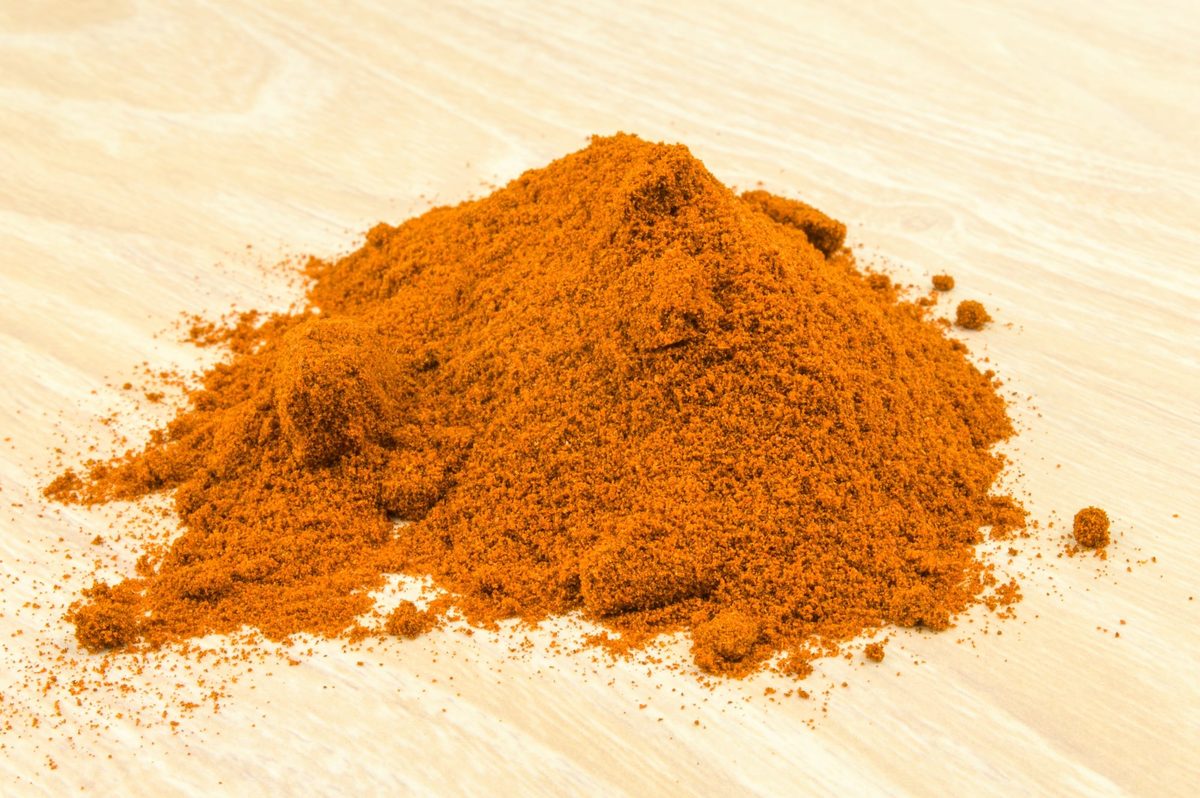
Ground cayenne is the jar you reach for when a dish needs heat without much else: it is hot, red and fairly plain in flavor, so it slips into cheese sauces, eggs, rubs and soups without changing their character. Below are the places it earns its keep, each with a named recipe and the amount that recipe uses. For what cayenne is and how hot it is (sources disagree widely), see the cayenne pepper profile.
At a glance
| Use it in | Named example | Amount in that recipe |
|---|---|---|
| Macaroni and cheese | America’s Test Kitchen, classic baked version, serves 6 to 81 | 1/4 teaspoon, with 1 1/2 teaspoons dry mustard |
| Welsh rarebit | Food52 (Catherine Lamb), serves 4 to 62 | 1/2 teaspoon, with 1 teaspoon English mustard powder |
| Deviled eggs | Yankee Magazine, 8 eggs3 | 1/4 teaspoon in the filling |
| Nashville hot chicken | Cook’s Country, serves 4 to 64 | 1 tablespoon, bloomed in hot oil and brushed on |
| Clam chowder | Ryan Hardy, James Beard Foundation archive5 | A pinch |
| Roasted sweet potatoes | Taste of Home6 | 1/8 teaspoon |
| Spice blends and rubs | USDA Creole seasoning specification; Texas A&M on barbecue rubs78 | Varies by blend |
All amounts are Attributed: they are those recipes’ figures, not a standard. Cayenne’s heat varies from jar to jar, so start at or below these and taste.
Two habits that help
Bloom it in fat when the recipe allows. America’s Test Kitchen explains that many spice flavor compounds are fat-soluble, which is why heating spices in oil or butter draws out more flavor, and warns that ground spices scorch fairly quickly.9 Several recipes below do exactly this: the mac and cheese and the rarebit whisk cayenne into butter and flour,12 and the hot chicken cooks it briefly in oil.4
Its heat survives cooking. In a 1992 lab study of spices boiled under household conditions, capsaicin losses were only about 0.3%.10 So cayenne added early will still be hot at the end; long cooking does not tame it (that is our reading of the study, which measured capsaicin, not perceived heat).
Cheese sauces and macaroni and cheese
America’s Test Kitchen’s classic macaroni and cheese whisks 1/4 teaspoon of cayenne into the butter with the flour and 1 1/2 teaspoons of dry mustard, cooks it for a minute, then adds 5 cups of milk and a pound of Jack and cheddar.1 At that dose it reads as warmth rather than heat (our judgment); PepperScale notes that dairy softens cayenne’s heat.11 For the full set of seasonings, see spices for mac and cheese.
The same trick works in other white sauces and cheese soups, though no source checked here gives an amount for them; start with a pinch.
Welsh rarebit
Rarebit, cheese sauce poured over toast, uses the same pair of spices. Catherine Lamb’s version for Food52 whisks 1 teaspoon of English mustard powder and 1/2 teaspoon of cayenne into a butter-and-flour roux before adding stout, Worcestershire and 4 cups of sharp cheddar.2 See mustard powder uses for the mustard side of the pairing.
Deviled eggs
Yankee Magazine’s classic deviled eggs mix 1/4 teaspoon of cayenne into the filling for 8 eggs, along with mayonnaise and 2 teaspoons of Dijon mustard, and finish with an optional dusting of paprika.3 If you want the eggs hotter, dusting the tops with cayenne instead of paprika is a simple swap; use far less, since cayenne is much hotter than typical mild paprika.12
Nashville hot chicken and spiced oil
Heat brushed on after frying keeps a crust crisp and puts the spice where you taste it first. Cook’s Country’s Nashville hot fried chicken heats 3 tablespoons of oil in a small saucepan until shimmering, adds 1 tablespoon of cayenne, cooks it until fragrant (about 30 seconds), then brushes the spicy oil over the fried chicken.4 The test kitchen notes that most recipes it found used only a fraction of a teaspoon of cayenne, and that its own calls for at least 12 times that amount.4 Hot sauce goes in the brine, not on the crust.4
The same method makes a small batch of chile oil for drizzling over eggs, noodles or pizza: warm the oil, stir in cayenne off the heat or over low heat, and use it the same day (our Method; no source tested amounts for a table oil). For storing it, Oregon State University Extension’s rule for oil flavored with dried herbs or dried garlic is to refrigerate it and use it within 4 days, or freeze it.13 That guidance does not mention chile specifically; following it is the cautious choice.
Spice blends and rubs
Much of the cayenne people eat arrives inside a blend.
- Louisiana seasoning. USDA’s purchasing specification lists cayenne pepper among the minimum ingredients of Creole seasoning, with salt, paprika, garlic, black pepper, mustard and lemon peel.7 A Louisiana tourism writer puts its role plainly: cayenne is part of the pantry, but it’s seasoning, not the main event.14 See Cajun seasoning and Creole seasoning.
- Barbecue rubs. Texas A&M’s meat science pages note that cayenne or other chiles can add spiciness to rubs built on paprika, sugar, garlic, onion, salt and pepper.8 See BBQ spices.
- Other blends. McCormick Science Institute lists red pepper in seasoned salt, chili powder, jerk seasoning, Mexican mole negro and berbere.15 See chili powder and jerk seasoning.
For a rub, mix cayenne into the dry blend rather than sprinkling it on separately, so it spreads evenly (common practice).
Soups, chowder and chili
A pinch goes a long way in a pot. Ryan Hardy’s New England clam chowder adds a pinch of cayenne with the thyme, bay leaf, Worcestershire, Old Bay and clams.5 McCormick Science Institute lists seafood, meats and pickles among red pepper’s uses, along with Italian, Indian, Mexican and Caribbean cooking.15 In chili, cayenne is usually a supporting heat behind milder, fruitier chiles; see best spices for chili and clam chowder spices.
Roasted vegetables
Taste of Home’s roasted rosemary sweet potatoes toss the potatoes with 1/8 teaspoon of cayenne and a teaspoon of crushed dried rosemary before roasting.6 Heat against sweetness is the point (our judgment); squash, carrots and roasted nuts take it the same way. See sweet potato spices.
Sweets and snacks
PepperScale says ground cayenne turns up in more baked desserts than you would expect, and its cayenne profile points to its own recipes for cayenne-spiced pumpkin pie, spicy candied pecans and spicy apple chips.11 Its case is the same heat-against-sweetness pairing as the sweet potatoes above: sweet and hot together make something neither manages alone.11 No amount from those recipes was checked for this page, so start with a pinch in a batch and taste.
In place of paprika
Cayenne can stand in for hot paprika in small amounts. The Spice House lists cayenne as a substitute for hot or sharp paprikas, not sweet ones,16 and Chili Pepper Madness notes that cayenne is quite a bit hotter than typical mild paprika.12 For a dish that calls for spoonfuls of sweet paprika, use sweet paprika for the color and add cayenne by the pinch for heat (our Method). The full comparison is on paprika vs. cayenne, and other swaps are on cayenne pepper substitutes.
Cayenne tea and the health claims
A widely repeated claim says a pinch of cayenne in hot tea or lemon water helps you lose weight. The evidence does not support it. A 2020 systematic review pooled 11 trials (609 people) of Capsicum annuum supplements against placebo and found only a marginal effect on body weight that did not reach statistical significance, and called for larger, better trials.17 Those trials tested supplements, not a pinch of cayenne in a drink.
Capsaicin does have real medical use, but on the skin: a Cochrane review found moderate-quality evidence that a prescription 8% capsaicin patch gives moderate pain relief to some people with nerve pain after shingles.18 That says nothing about cayenne eaten or drunk. If you like cayenne in tea, drink it for the taste; no claim is made here that it treats or prevents anything.
Handling it
Capsaicin irritates skin and eyes. Measure cayenne away from your face and wash your hands after handling it (common kitchen practice, not a sourced finding). In a pan, keep the heat moderate: ground spices scorch fairly quickly.9
Not yet measured
- How much heat a given jar of cayenne carries; retail jars rarely state it (see the cayenne pepper profile for the published range).
- A tested amount of cayenne per serving for general use; the amounts above belong to individual recipes.
- How quickly cayenne-infused oil loses heat or color in storage.
Related
- Cayenne pepper and cayenne pepper substitutes
- Paprika vs. cayenne and black pepper vs. cayenne
- Red pepper flakes, paprika and chili powder
- Mustard powder uses, cayenne’s usual partner in cheese dishes
Footnotes
-
Classic Macaroni and Cheese, Cook’s Illustrated, America’s Test Kitchen, 2012. americastestkitchen.com · Publication ↩ ↩2 ↩3
-
Catherine Lamb, Welsh Rarebit, Food52, 2017. food52.com · Publication ↩ ↩2 ↩3
-
Classic Deviled Eggs, Yankee Magazine (New England Today), 2022. newengland.com · Publication ↩ ↩2
-
Nashville Hot Fried Chicken, Cook’s Country, America’s Test Kitchen. americastestkitchen.com · Publication ↩ ↩2 ↩3 ↩4 ↩5
-
Ryan Hardy, New England Clam Chowder, James Beard Foundation recipe archive. archive.jamesbeard.org · Publication ↩ ↩2
-
Kristin Stone, Roasted Rosemary Sweet Potatoes, Taste of Home. tasteofhome.com · Publication ↩ ↩2
-
Commercial Item Description A-A-20001C, Spices and Spice Blends, USDA Agricultural Marketing Service, 2023. ams.usda.gov · Regulator ↩ ↩2
-
Seasonings, Texas A&M Meat Science. meat.tamu.edu · Reference work ↩ ↩2
-
How to Bloom Spices, America’s Test Kitchen, 2023. americastestkitchen.com · Publication ↩ ↩2
-
Srinivasan, Sambaiah and Chandrasekhara, Loss of active principles of common spices during domestic cooking, Food Chemistry, 1992 (abstract). agris.fao.org · Peer-reviewed ↩
-
Matt Bray, Cayenne Peppers: Heat, Flavor, Ingredient Pairings, PepperScale, updated 2026. pepperscale.com · Publication · PepperScale is also owned by Matt Bray, the editor of this site. ↩ ↩2 ↩3
-
Mike Hultquist, Paprika Substitute, Chili Pepper Madness. chilipeppermadness.com · Publication ↩ ↩2
-
Raab and Woodburn, Herbs and vegetables in oil (SP 50-701), Oregon State University Extension Service, 2025. extension.oregonstate.edu · Reference work ↩
-
Jay D. Ducote, Cajun vs. Creole Food: What is the Difference?, Explore Louisiana. explorelouisiana.com · Publication ↩
-
“Red Pepper”, McCormick Science Institute. mccormickscienceinstitute.com · Merchant ↩ ↩2
-
The 7 Best Paprika Substitutes, The Spice House, 2018. thespicehouse.com · Merchant ↩
-
Jang et al., Effects of Capsicum annuum supplementation on the components of metabolic syndrome, Scientific Reports, 2020. nature.com · Peer-reviewed ↩
-
Derry et al., Topical capsaicin (high concentration) for chronic neuropathic pain in adults, Cochrane Database of Systematic Reviews, 2017. cochrane.org · Peer-reviewed ↩