Seasonings · Profile
Mole Powder: What’s in It, Where Mole Comes From, and How to Use It
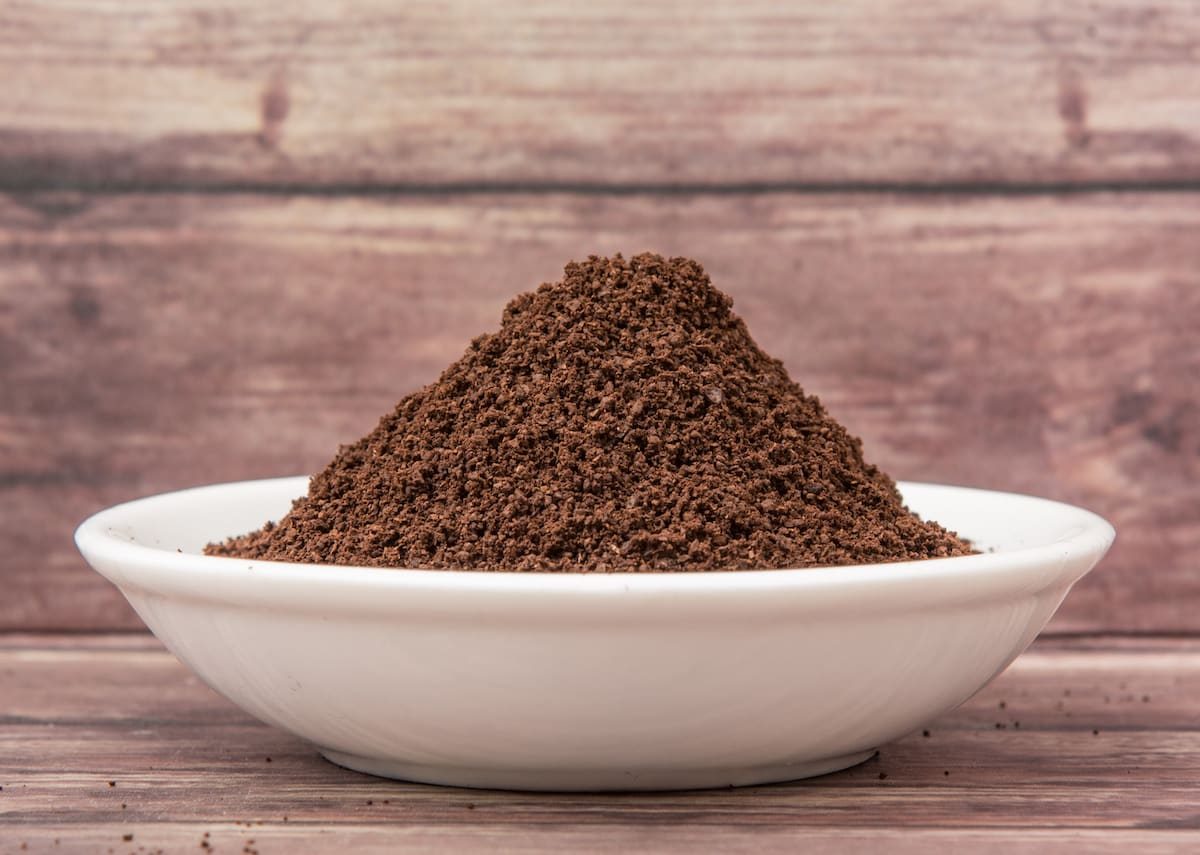
Mole powder is a dry blend of the chiles, cocoa, seeds and spices that go into Mexican mole, sold as a shortcut to a sauce that one merchant says can take days to make.1 Mole itself is not one recipe but a family of thick chile sauces. There is no standard for mole powder either: each maker chooses its own mix. This page sets two merchants’ ingredient lists beside a published list for mole poblano, covers the history that can be documented, and explains how to use the powder.
At a glance
| What it is | A dry seasoning blend modeled on Mexican mole sauce21 |
| Mole, defined | A thick sauce made with various chiles and many other ingredients and spices (RAE)3 |
| Name | From Nahuatl mulli, “sauce”3 |
| Core ingredients in the blends checked | Ancho chile, cocoa, cinnamon, allspice, cloves, sugar21 |
| Regions | Puebla (mole poblano) and Oaxaca (los siete moles)45 |
| Heat | Mild; World Spice rates its blend 2 of 5.1 PepperScale rates the chiles in these blends from 1,000 SHU (ancho, pasilla) up to 8,000 SHU (chipotle)6 |
| Allergens to check | Sesame and nuts, in some blends and many moles417 |
What mole is
The Real Academia Española defines mole, in Mexico and Honduras, as a thick sauce prepared with different chiles and many other ingredients and spices, and also as a stew of chicken, turkey or pork made with that sauce.3 Britannica calls it a cooked chili sauce of Mexican origin, considered an essential item of Mexican cuisine.8 The word comes from the Nahuatl mulli, “sauce.”3 The RAE spells it mole, without an accent.3
Gernot Katzer describes Mexican moles as complex mixtures of several chile cultivars; most call for dried chiles, and most contain nuts and seeds that add body, with corn masa or dried tortillas as a thickener.5 Mexico’s agriculture ministry says that dried ancho, mulato, mirasol, guajillo and pasilla chiles go mainly to the artisanal mole industry.9
Many moles, not one. El Universal estimates more than 50 local varieties.4 Katzer calls Oaxaca the home of these sauces, where seven classical recipes, los siete moles, are handed down from generation to generation.5 He names red mole (mole rojo, also called mole poblano) as the most famous, and describes green mole flavored with Mexican pepper-leaf and yellow mole made with fresh güero chiles.5 Both mole powders checked below are built on dried chiles and cocoa.21
What’s in mole powder
Here are two commercial blends and El Universal’s list for mole poblano, each as its source gives it. None is “the” recipe.
| Ingredient | Spices, Inc. Mexican Mole Powder2 | World Spice Mole Olé1 | Mole poblano, per El Universal4 |
|---|---|---|---|
| Ancho chile | Yes | Yes | Yes |
| Other chiles | Pasilla, chipotle | Guajillo, mulato; smoked and Hungarian paprika | Mulato, pasilla, chipotle |
| Cocoa or chocolate | Cocoa | Cocoa powder | Tablet chocolate |
| Sesame | White sesame | Yes | |
| Nuts and fruit | Almonds, nuts, raisins, plantain | ||
| Cinnamon | Yes | Yes (true cinnamon) | Yes |
| Cloves | Yes | Yes | Yes |
| Allspice | Yes | Yes | |
| Black pepper | Yes | ||
| Other spices and aromatics | Anise seed, cumin, Mexican oregano, garlic, onion | Parsley | |
| Sugar | Sugar | Brown sugar | |
| Salt | Kosher salt | ||
| Other | Citric acid | Tomatoes, tortillas |
The two blends agree on ancho, cocoa, cinnamon, allspice, cloves and a sweetener, and differ on almost everything else. Only one includes sesame and only one includes salt, which matters when seasoning a dish.
How hot are the chiles? PepperScale’s pepper list gives these Scoville ranges for the dried chiles named above. They are conventional ranges for each pepper, not measurements of any blend:6
| Chile | PepperScale range (SHU) |
|---|---|
| Ancho | 1,000 to 1,500 |
| Pasilla | 1,000 to 2,500 |
| Mulato | 2,500 to 3,000 |
| Guajillo | 2,500 to 5,000 |
| Chipotle (meco or morita) | 2,500 to 8,000 |
| Jalapeño, for reference | 2,500 to 8,000 |
Ancho, the one chile in every list above, has the lowest range of them, which is consistent with World Spice’s mild rating for its blend.1 A blend heavy in chipotle or guajillo will run hotter.
Flavor
Spices, Inc. describes its powder as earthy and nutty, with noticeable fruitiness and hints of chocolate.2 World Spice says its blend delivers rich, chocolatey depth.1 Mixed into a sauce, a good mole powder tastes of dried fruit and gentle chile heat first, with cocoa bitterness and warm spice behind; that description is ours. Because the blends differ, two jars can taste quite unlike each other.
Origin and history
Before the Spanish. El Universal recounts that Moctezuma ate a chile sauce called chilmulli or chilmole, and that Indigenous cooks went on making their mullis after the conquest.4
The Puebla legend. El Universal says that today’s typical mole is said to have been born in Puebla, hence the name mole poblano.4 The story it gives: in 1685, at the Dominican convent of Santa Rosa de Lima in Puebla, Sor Andrea de la Asunción created the dish while trying to make something worthy of a visiting viceroy.4 The newspaper presents this as a story that is told, not a documented event, and so does this page. A widely repeated version with an archbishop, a nearly empty larder and a turkey could not be traced to any source.
Puebla and Oaxaca. Both states are associated with mole: El Universal places mole poblano’s birth in Puebla,4 while Katzer calls Oaxaca the home of the sauces.5
Two other common claims could not be traced: that some early mole recipes had as many as 100 ingredients, and that chocolate was used only in drinks before the Spanish arrived and was added to mole under European influence. World Spice, a merchant, says traditional mole can take days to make and use more than 30 ingredients.1
How to use mole powder
As a sauce base. Spices, Inc. gives one method: mix ¾ cup of the powder with ¼ cup of chicken or vegetable broth and ¼ cup of water to make a paste, then thin it for use.2 It suggests the result for tamales and empanadas.2 That ratio is the merchant’s, for its own blend; other blends will need adjusting.
As a rub or seasoning. World Spice suggests adding salt and sugar to its blend for a rub, or stirring it into chili con carne.1 Spices, Inc. also suggests it for seasoning chili.2
Kitchen practice (not sourced findings):
- Simmer the paste with broth and a little tomato, then add cooked chicken or turkey for a quick mole.
- Bloom the powder briefly in oil before adding liquid; cocoa and ground chile scorch easily.
- Add a spoonful to black beans, braised pork or enchilada sauce.
- Taste for salt and sugar before adding more of either, since some blends contain both.
Buying and quality
- Read the ingredient list. Blends vary widely (see the table). Check for salt, sugar, sesame and nuts.
- Smell. A good blend smells of dried fruit, cocoa and warm spice; a flat, dusty smell means it has faded. Kitchen judgment.
- No standard, grade or adulteration record specific to mole powder was found.
Storage
The University of California Cooperative Extension lists air, light, moisture and heat as what speeds flavor and color loss in spices.10 Keep the blend airtight, dark and cool. No shelf-life figure from a regulator or standards body was found for mole powder.
Safety
- Allergens. The FDA lists sesame, tree nuts and peanuts among the major food allergens.7 One of the two blends checked contains sesame,1 and El Universal’s mole poblano includes sesame, almonds and other nuts.4 Check the label of any blend or prepared mole.
- Chile mycotoxins (EU). EU law caps ochratoxin A at 20 µg/kg in dried Capsicum fruits, whole or ground, and sets 5.0 µg/kg for aflatoxin B1 and 10.0 µg/kg for total aflatoxins.11 These limits apply to the dried chiles, not to blends as such.
Health claims
Mole powder is often credited with the vitamins of its chiles and cocoa, the minerals of cumin and sesame, and benefits for blood pressure and the heart. None of these claims for the blend could be supported from sources reviewed for this page. No claim is made here that mole powder treats or prevents any disease. For measured nutrient figures on one of its main chiles, see ancho powder.
Related pages
- Chiles in mole: ancho powder, which the Chile Pepper Institute calls a key ingredient in mole,12 pasilla powder, guajillo powder and chipotle powder
- Spices in the blends: cinnamon, allspice, cloves, cumin, anise seed, Mexican oregano and sesame seeds
- Related blends: chili powder and adobo seasoning; for cooking with Mexican spices, see good Mexican spices for chicken and best spices for chili
Footnotes
-
Mole Olé, World Spice Merchants (product page). worldspice.com · Merchant ↩ ↩2 ↩3 ↩4 ↩5 ↩6 ↩7 ↩8 ↩9 ↩10 ↩11 ↩12
-
Mexican Mole Powder, Spices, Inc. (product page). spicesinc.com · Merchant ↩ ↩2 ↩3 ↩4 ↩5 ↩6 ↩7 ↩8
-
mole, Diccionario de la lengua española, Real Academia Española. dle.rae.es · Reference work ↩ ↩2 ↩3 ↩4 ↩5
-
Nuestro mero mole…¡el mole poblano!, El Universal, 2017. eluniversal.com.mx · Publication ↩ ↩2 ↩3 ↩4 ↩5 ↩6 ↩7 ↩8 ↩9
-
Gernot Katzer, Paprika and Mexican chiles (Capsicum annuum), Gernot Katzer’s Spice Pages. gernot-katzers-spice-pages.com · Reference work ↩ ↩2 ↩3 ↩4 ↩5
-
“The Hot Pepper List: 170+ Chilies Profiled”, PepperScale. pepperscale.com · Publication · PepperScale is also owned by Matt Bray, the editor of this site. ↩ ↩2
-
Food Allergies, U.S. Food and Drug Administration. fda.gov · Regulator ↩ ↩2
-
Gregory Lewis McNamee, “Mole”, Encyclopaedia Britannica. britannica.com · Reference work ↩
-
Chile seco, Secretaría de Agricultura y Desarrollo Rural, Government of Mexico. gob.mx · Regulator ↩
-
Add a Little Spice to Your Life! Part II, University of California Cooperative Extension. ucanr.edu · Reference work ↩
-
Commission Regulation (EU) 2023/915, EUR-Lex. eur-lex.europa.eu · Regulator ↩
-
Ancho recipe card, Chile Pepper Institute, New Mexico State University. cpi.nmsu.edu · Reference work ↩