Spice Substitutes · Substitutes
Ancho Powder Substitutes, Ranked by the Job Ancho Is Doing
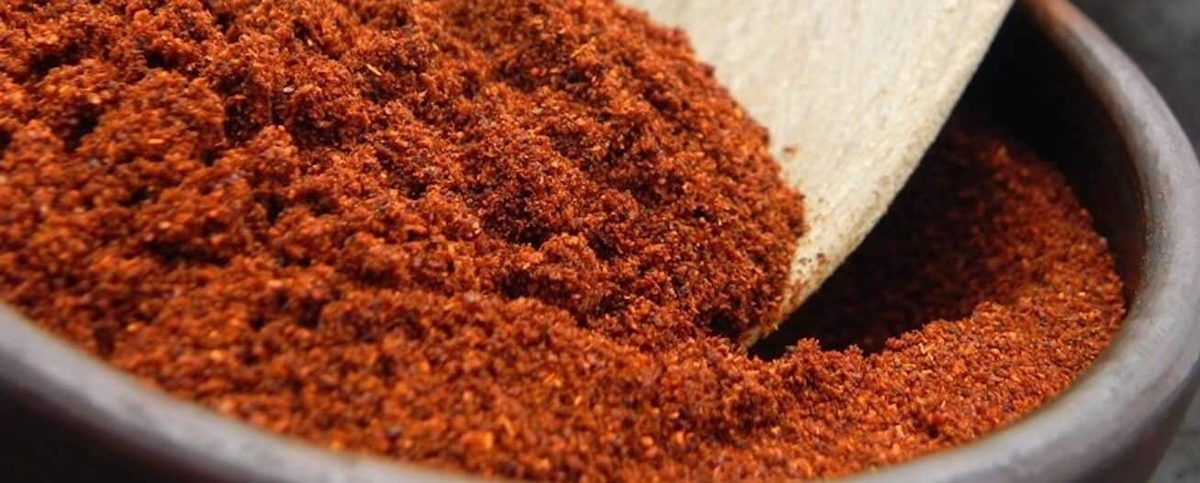
Ancho powder is ground ancho chile, and an ancho is a dried poblano.1 New Mexico State University’s Chile Pepper Institute (CPI) calls it mild and describes its flavor as sweet and smoky with hints of dried fruit.1 Most recipes use it for body, color and that raisin-like sweetness rather than for heat, so the best substitute is another mild, dark Mexican chile. Which one depends on what the ancho is doing in your recipe.
Quick answer
| What ancho is doing | Best substitute | Starting amount, per 1 part ancho | Treatment |
|---|---|---|---|
| Body and dried-fruit flavor (mole, red sauces) | Pasilla or mulato powder | 1 part | Attributed |
| Mild red chile flavor and color (enchilada sauce, adobos, rubs) | Guajillo powder | 1 part | Attributed |
| Chile base in chili or taco meat | Chili powder | 1 part, plus ¼ part crushed red pepper if you want more heat | Attributed |
| Color with almost no heat | Paprika | 1 part | Attributed |
| A gentle smoky note | Smoked paprika | ½ part, plus ½ part plain paprika | Method |
The rest of the page explains each choice, the hotter options, and how hot each chile is said to be.
How the ratios on this page are labeled
Every ratio carries one of four labels.
- Computed: based on a measurable physical relationship, with the source named.
- Attributed: a named source publishes this ratio. We quote it as theirs.
- Disputed: named sources give different answers to the same swap. We show each one and do not average them.
- Method: we found no published ratio. We give a direction and a cautious starting point, and say so.
The published ratios we found for ancho come mostly from one bylined food publication, Mashed, and none of them says how it was arrived at. They are cooks’ rules of thumb, not measurements of flavor or heat.
How hot are ancho and its substitutes?
Every chile on this page gets its heat from capsaicinoids, and NMSU notes that HPLC, which measures them directly, is the most accurate method; Scoville taste tests are subjective.2 The figures below come from different kinds of sources and describe different things, so they are listed side by side and not combined.
| Chile | Heat | Scope | Source |
|---|---|---|---|
| Ancho | 1,000–2,000 SHU | Pepper type; general figure, no lot or method stated | NMSU Chile Pepper Institute1 |
| Ancho | 1,000–1,500 SHU | Pepper type on a heat scale its author calls “necessarily approximate” | Dave DeWitt, 20083 |
| Ancho | 1,000–1,500 SHU | Pepper type; no method stated | PepperScale4 |
| Ancho powder | 500–4,000 SHU | One merchant’s own product; no method stated | The Spice House5 |
| Pasilla | 1,000–1,500 SHU | Same approximate scale as ancho | Dave DeWitt, 20083 |
| Pasilla | “Mild heat level” (no number) | Pepper type | NMSU Chile Pepper Institute6 |
| Mulato | No published figure found | ||
| Guajillo, also called mirasol7 | 2,500–5,000 SHU | DeWitt lists “Mirasol”; general ratings, no method stated | Dave DeWitt, 2008;3 Lisa Sorg, INDY Week, 2015;8 PepperScale4 |
| Anaheim, which PepperScale says New Mexico chili powder is often made from | 500–2,500 SHU | Pepper type; no method stated | PepperScale4 |
| Chipotle | Usually 5,000–10,000 SHU | Chipotle in general; no samples or method stated | Mick Vann, The Austin Chronicle, 20129 |
| Chipotle | 2,500–8,000 SHU | Chipotle in general; no method stated | PepperScale4 |
| Chipotle powder (morita) | 13,000–28,000 SHU | One merchant’s own product | The Spice House10 |
| Cayenne | 30,000–50,000 SHU | Pepper type; no method stated | PepperScale4 |
| Paprika (category) | 480 SHU or less | A category boundary in the international standard, not a measurement | Codex CXS 353-202211 |
How to read this:
- The ancho figures overlap but do not match. CPI, DeWitt and The Spice House each describe something different: a pepper type, an approximate scale position, and one merchant’s powder. None is shown to be wrong.
- A figure of about 9,000 SHU for ancho also circulates. No source we found supports it, and every named figure above is far lower.
- Chipotle is the outlier. The three chipotle figures differ several-fold, and all sit above every ancho figure.
If ancho is the body and dried-fruit flavor of a sauce
This is ancho’s main job in mole and in red chile sauces. CPI calls ancho a key ingredient in Mexican mole.1 What you want here is a dark, mild, fruity chile.
1. Mulato powder
Gernot Katzer notes that a dried poblano may be sold as an ancho or as a mulato.12 So a mulato starts from the same fresh chile, which is why it is the most natural stand-in. Katzer names ancho, mulato and pasilla as the “holy trinity” of chiles that flavor mole poblano.12 No published heat figure for mulato was found.
Ratio (Attributed): Mashed says to use mulato powder as a one-to-one swap for ancho.13
2. Pasilla powder
Pasilla is a different chile, the dried form of the dark green chilaca, also called chile negro.12 It is the third member of Katzer’s mole trinity,12 and El Universal lists ancho and pasilla together among the chiles in mole poblano.14 CPI rates pasilla as mild and says its name refers to a resemblance to raisins in texture and smell.6 DeWitt’s scale puts ancho and pasilla in the same heat band.3 Expect a darker, slightly more bitter sauce; that is our description.
Ratio (Attributed): Mashed says to use pasilla powder as a one-to-one swap for ancho powder.13
If a jar says “pasilla de Oaxaca”, it is a different, smoked chile.12 It will add smoke that ancho does not.
If ancho is mild red chile flavor and color
In enchilada sauce, adobo marinades and rubs, ancho supplies red color and a rounded chile flavor more than sweetness.
1. Guajillo powder
Mexico’s agriculture ministry groups dried ancho, mulato, mirasol, guajillo and pasilla as the chiles that go mainly to the mole industry,15 so guajillo already shares ancho’s place in the pot. It is brighter and a little tangier than ancho, with less of the dried-fruit depth; that description is ours. The heat figures that exist for guajillo are higher than those for ancho (see the table above), so taste as you add.
Ratio (Attributed): Mashed says guajillo powder can be used as a one-to-one swap for ancho powder, tasting as you go.13 PepperScale also calls guajillo a very good one-to-one match, with a similar smokiness and a little more sweetness.4
2. New Mexico chile powder
Ratio (Attributed): Mashed, citing the reference site Gourmet Sleuth, suggests an equal amount of New Mexico chile powder.13 PepperScale also recommends it, without a ratio, as the pick if your worry is over-spicing a dish: it says the powder is often made with Anaheim chiles and has a mild spiciness comparable to ancho’s.4 We found no heat figure for the powder itself.
If ancho is the chile base in chili or taco meat
Chili powder
American chili powder is a blend. USDA’s purchasing specification says it should include ground chili pepper, cumin, oregano, salt and garlic powder,16 and Saveur says the chile in it is usually ancho.17 So chili powder often puts ancho back into the dish, along with cumin, oregano, garlic and salt.
Ratio (Attributed): Mashed, citing Cooking Light, says to replace each teaspoon of ancho with 1 teaspoon of chili powder and ¼ teaspoon of crushed red pepper.13 The flakes add heat that ancho itself does not have, so in our judgment you can leave them out if you want ancho’s mildness. PepperScale is cooler on this swap: because chili powder is a mix of spices, it suggests using it only in a pinch.4 Cut back on the recipe’s own cumin, oregano and salt, and taste before adding more.
If ancho is there for color, with little heat
Paprika
Under the international standard, paprika is dried Capsicum at 480 Scoville units or less,11 so it adds red color with very little heat. It has none of ancho’s dried-fruit depth; that is our judgment.
Ratio (Attributed): Mashed says to use paprika as a one-to-one swap.13
Smoked paprika, for ancho’s smoky edge
CPI’s description of ancho includes smoke.1 Spanish Pimentón de la Vera is smoke-dried, and its specification describes a smoky, intense and penetrating flavor and aroma; its sweet type is “completely sweet”.18
Ratio (Method): We found no published ratio for smoked paprika in place of ancho. Pimentón de la Vera’s smoke is much stronger than ancho’s, in our judgment, so start with half the ancho amount of sweet smoked paprika, make up the rest with plain paprika, and taste.
If you only need some chile heat
These are hotter than ancho by every figure we found, and none brings ancho’s sweetness. Use them when ancho is a minor ingredient and heat is what matters.
| Substitute | Starting amount, per 1 part ancho | Treatment |
|---|---|---|
| Chipotle powder | ⅓ to ½ part, then taste | Disputed (see below) |
| Chile de árbol powder | 1 part, tasting as you go | Attributed13 |
| Cayenne pepper | A pinch per teaspoon of ancho, then taste | Disputed (see below) |
| Gochugaru | About ¼ part, then taste | Attributed13 |
Chipotle is a smoke-dried jalapeño.12 Most chipotles sold in the US are the morita type, according to Mick Vann,9 and The Spice House sells morita.10 It brings strong smoke along with the heat.
Chipotle and cayenne ratios (Disputed): the two sources that publish amounts for these swaps disagree.
| Swap, per 1 part ancho | Mashed13 | PepperScale4 |
|---|---|---|
| Chipotle powder | 1 part if mild, ½ part if hotter | One third of the amount to start |
| Cayenne pepper | About ¼ part, then taste | A pinch gives roughly the heat of a teaspoon of ancho |
Method: start with the smaller figure in each row (⅓ part chipotle; a pinch of cayenne per teaspoon of ancho), taste, and build. Every heat figure on this page puts both chiles well above ancho, and neither brings its sweetness. That is a starting point, not a measured equivalence.
Chile de árbol. Katzer groups de árbol with chipotle as less aromatic, more pungent chiles,12 and DeWitt’s scale puts it at 15,000–30,000 SHU.3 Mashed’s one-to-one starting point is its own; in our judgment, start at a quarter of the ancho amount, as Mashed suggests for cayenne, and build up.
What isn’t known
- No published study compares the flavor or heat of ancho powder with any substitute. Every Attributed ratio above is a rule of thumb.
- No published heat figure was found for mulato, the closest substitute botanically.
- The ancho heat figures that exist describe a pepper type, an approximate scale, or one merchant’s product. No HPLC measurement of retail ancho powder was found.
- It is sometimes said that ancho and pasilla differ only in shape. The sources say they are different chiles: ancho is a dried poblano, pasilla a dried chilaca.112
Related
- Ancho powder, pasilla powder and pasilla substitutes, guajillo powder
- Chipotle powder and chipotle substitutes, chile de árbol powder
- Chili powder and chili powder substitutes, mole powder
- Paprika, smoked paprika, paprika vs. chili powder
- Best spices for chili
Footnotes
-
Ancho recipe card, Chile Pepper Institute, New Mexico State University. cpi.nmsu.edu · Reference work ↩ ↩2 ↩3 ↩4 ↩5 ↩6
-
Bosland and Walker, Measuring Chile Pepper Heat, NMSU Guide H-237, 2010. pubs.nmsu.edu · Reference work ↩
-
Dave DeWitt, Heat Scale Updated, Fiery Foods & Barbecue Central, 2008. fieryfoodscentral.com · Publication ↩ ↩2 ↩3 ↩4 ↩5
-
Matt Bray, What’s The Best Ancho Chili Powder Substitute?, PepperScale. pepperscale.com · Publication · PepperScale is also owned by Matt Bray, the editor of this site. ↩ ↩2 ↩3 ↩4 ↩5 ↩6 ↩7 ↩8 ↩9
-
Ancho Chile Powder, The Spice House (product page). thespicehouse.com · Merchant ↩
-
Pasilla recipe card, Chile Pepper Institute, New Mexico State University. cpi.nmsu.edu · Reference work ↩ ↩2
-
Santiago-López, Ramírez-Meraz and Méndez-Aguilar, HMG14E, híbrido de chile guajillo para el Altiplano de San Luis Potosí, México, Revista Fitotecnia Mexicana, 2020. revistafitotecniamexicana.org · Peer-reviewed ↩
-
Lisa Sorg, DISH: Tips on which peppers suit which dish, INDY Week, 2015. indyweek.com · Publication ↩
-
Mick Vann, Chipotle Chiles, The Austin Chronicle, 2012. austinchronicle.com · Publication ↩ ↩2
-
Ground Chipotle Chiles, The Spice House (product page). thespicehouse.com · Merchant ↩ ↩2
-
Standard for Dried or Dehydrated Chilli Pepper and Paprika, CXS 353-2022, Codex Alimentarius. fao.org · Standard ↩ ↩2
-
Gernot Katzer, Paprika and Mexican chiles (Capsicum annuum), Gernot Katzer’s Spice Pages. gernot-katzers-spice-pages.com · Reference work ↩ ↩2 ↩3 ↩4 ↩5 ↩6 ↩7 ↩8
-
Lisa Curran Matte, 10 Best Substitutes For Ancho Chile Powder, Mashed, 2021. mashed.com · Publication ↩ ↩2 ↩3 ↩4 ↩5 ↩6 ↩7 ↩8 ↩9
-
Nuestro mero mole…¡el mole poblano!, El Universal, 2017. eluniversal.com.mx · Publication ↩
-
Chile seco, Secretaría de Agricultura y Desarrollo Rural, Government of Mexico. gob.mx · Regulator ↩
-
Commercial Item Description A-A-20001C, Spices and Spice Blends, USDA Agricultural Marketing Service, 2023. ams.usda.gov · Regulator ↩
-
Chili Powder, Saveur, 2009. saveur.com · Publication ↩
-
Pimentón de la Vera PDO product specification, Consejo Regulador. assets.publishing.service.gov.uk · Regulator ↩