Cooking · Dish guide
The Best Spices for Broccoli, Roasted or Stir-Fried
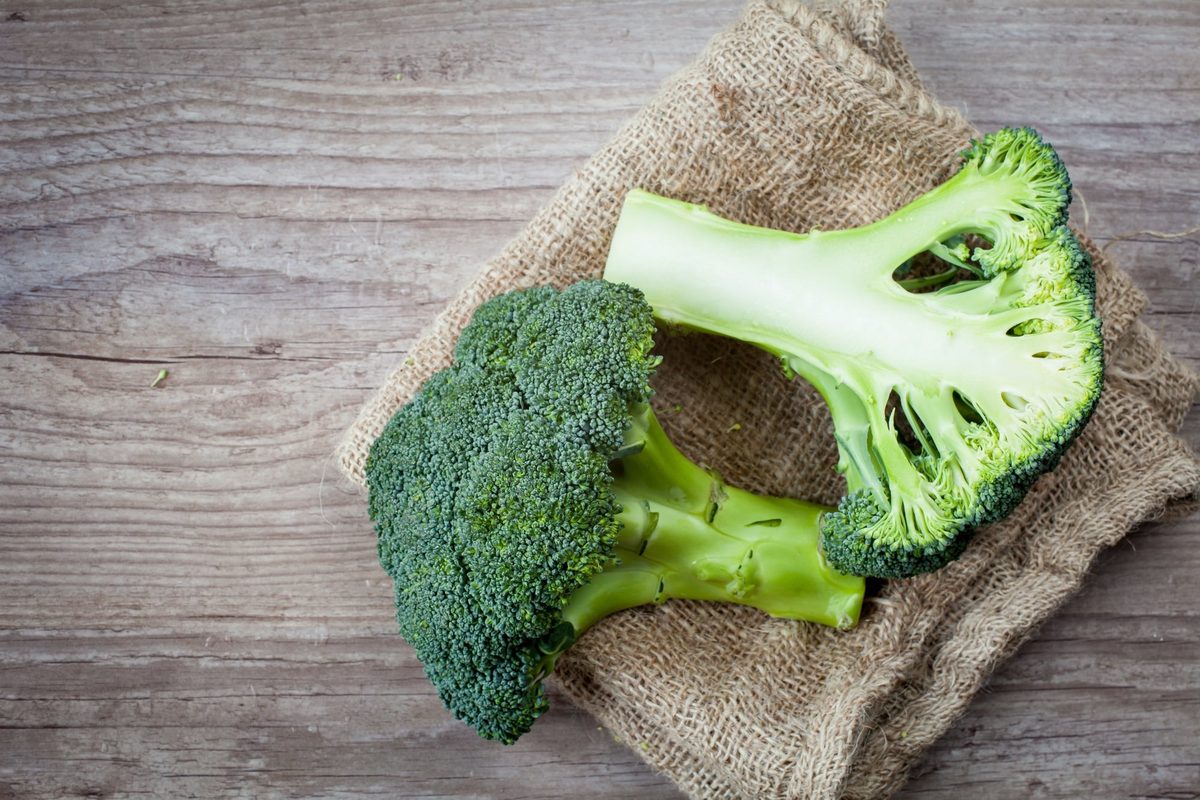
Broccoli takes seasoning in two main directions. Roasted, it needs little more than oil, salt and pepper, with herbs, balsamic vinegar or lemon juice as options, according to Oregon State University Extension’s Food Hero recipes.1 Stir-fried, it picks up garlic, ginger and oyster sauce, as in the Woks of Life family’s restaurant-style beef and broccoli.2 This page covers what each seasoning does, when to add it, and what the named recipes use. Quantities appear only where a named recipe gives them.
At a glance
| Seasoning | What it does for broccoli | Where it comes from |
|---|---|---|
| Garlic | Pungent, savory base | Beef and broccoli2 |
| Black pepper | Heat and aroma | Roasted-vegetable baseline1 |
| Ginger | Fresh pungency in stir-fries | Optional in beef and broccoli2 |
| Oyster sauce | Savory depth in stir-fries | Beef and broccoli2 |
| Cayenne pepper | Straight heat | Kitchen option |
| Balsamic vinegar | Sweet-sour finish on roasted broccoli | Suggested by Food Hero1 |
| Basil and pesto | Herbal, sweet aroma | Pesto is a classic vegetable topping3 |
| Lemon or orange zest | Brightness | Kitchen option; lemon juice suggested by Food Hero1 |
Two baselines: roasted and stir-fried
| Food Hero roasted vegetables1 | Woks of Life beef and broccoli2 | |
|---|---|---|
| Broccoli | 1 cup vegetables per person | 4 cups florets, blanched 30 to 60 seconds |
| Fat | 1 teaspoon vegetable oil | Vegetable oil for the wok; 1/2 teaspoon sesame oil in the sauce |
| Aromatics | None | 2 cloves garlic; 1/4 teaspoon ginger, optional |
| Seasoning | A sprinkle each of salt and black pepper | Oyster sauce, soy sauce and dark soy sauce, sugar, 1/8 teaspoon white pepper, Shaoxing wine |
| Suggested extras | Thyme, rosemary, oregano, balsamic vinegar, lemon juice | None |
| Heat and time | 425°F; about 15 minutes for pieces about 1/2 inch thick | Garlic and ginger stirred in the hot wok for 5 seconds |
Garlic
Garlic has a powerful onionlike aroma and a pungent taste.4 The Woks of Life beef and broccoli uses 2 minced cloves, added to the hot wok with the ginger and stirred for just 5 seconds.2 That short time is deliberate: America’s Test Kitchen warns that garlic added to a hot pan too early will quickly burn and turn acrid and bitter.5 A common description calls garlic’s flavor “earthy umami”; its savory pungency is real, but we found no source describing it as umami.
Garlic oil. Tossing broccoli in garlic-flavored oil before roasting is common practice. Make it fresh. University of California guidance says not to store garlic in oil at room temperature and to keep it refrigerated for no more than 4 days.6 Oregon State University says oils seasoned with garlic or herbs must be refrigerated and used within 4 days or frozen: low-acid foods stored in oil create an oxygen-free environment, and such foods can carry Clostridium botulinum, the bacterium behind botulism.7 See garlic powder vs. garlic.
Black pepper and white pepper
Black pepper’s flavor comes mainly from piperine.8 Food Hero’s roasted vegetables use just a sprinkle,1 and America’s Test Kitchen advises grinding peppercorns just before use for the most flavor.9 How much to use is a matter of taste.
White pepper is the pepper in the Woks of Life sauce, at 1/8 teaspoon.2 See white pepper vs. black pepper.
Ginger
Ginger’s pungency comes from gingerols, non-volatile phenolic compounds.10 In the Woks of Life beef and broccoli it is optional, at 1/4 teaspoon grated, and goes into the wok with the garlic.2 It works best in exactly that kind of dish: a stir-fry where garlic, soy and oyster sauce are already present (cooking judgment). See cooking with ginger and fresh vs. ground ginger.
Oyster sauce
Oyster sauce is not a spice, but it is the key seasoning in restaurant-style beef and broccoli. The Woks of Life uses 1 teaspoon in the beef marinade and 1 tablespoon in the sauce, and calls it full of umami and key to an authentic restaurant flavor.2 Their beef with oyster sauce applies the same seasoning to Chinese broccoli, blanched for 1 minute.11 A widely repeated claim says oyster sauce’s sweetness cuts the bitterness of greens; we found no source for that.
Cayenne pepper
Cayenne adds heat without much other flavor (cooking judgment). Chile heat comes from capsaicinoids, chiefly capsaicin and dihydrocapsaicin.12 A pinch over steamed broccoli, a little in a stir-fry, or some in a dip for raw florets are all common uses; none comes from a named recipe here. For milder heat, try red pepper flakes.
Balsamic vinegar
Food Hero lists balsamic vinegar among the seasonings to try on roasted vegetables, and broccoli among the vegetables.1 A splash after roasting, or a simple balsamic, olive oil and garlic vinaigrette for a broccoli salad, are kitchen options.
Basil and pesto
Britannica describes dried basil as warm, sweet, aromatic and mildly pungent.13 A common description adds licorice and citrus notes, and says basil’s sweetness offsets broccoli’s bitterness; those are matters of taste, not sourced findings.
Basil is a delicate herb. The LSU AgCenter advises adding delicate herbs such as basil a minute or two before the end of cooking, since prolonged heat costs them flavor and aroma,14 and America’s Test Kitchen recommends chopping basil and adding it just before serving.15 So rather than roasting broccoli with basil, toss the hot broccoli with basil after it comes out of the oven.
Pesto is the easier route. Britannica describes pesto alla genovese as basil, pine nuts, garlic, grated Parmesan and olive oil, commonly used as a topping for pasta, vegetables, poultry, fish and bread.3 See basil uses and cooking with basil.
Citrus zest
Food Hero suggests lemon juice for roasted vegetables.1 Zest gives a stronger lemon aroma without the acidity of juice (cooking judgment). Sprinkle lemon or orange zest over steamed or roasted broccoli just before serving; both pair well with garlic and basil. These are kitchen options rather than findings from a named recipe.
Related
- Spices for cauliflower, spices for asparagus and seasonings for green beans
- Kale spices
- The master list of herbs and spices
Footnotes
-
“Roasted Vegetables”, Food Hero, Oregon State University Extension Service. foodhero.org · Reference work ↩ ↩2 ↩3 ↩4 ↩5 ↩6 ↩7 ↩8
-
Bill Leung, “Beef and Broccoli”, The Woks of Life, 2019, updated 2025. thewoksoflife.com · Publication ↩ ↩2 ↩3 ↩4 ↩5 ↩6 ↩7 ↩8 ↩9
-
Gregory Lewis McNamee, “Pesto”, Encyclopaedia Britannica. britannica.com · Reference work ↩ ↩2
-
“Garlic”, Encyclopaedia Britannica. britannica.com · Reference work ↩
-
Liz Bomze, “Why You Should Wait to Add Garlic”, America’s Test Kitchen, 2023. americastestkitchen.com · Publication ↩
-
Linda J. Harris, “Garlic: Safe Methods to Store, Preserve, and Enjoy”, University of California Agriculture and Natural Resources, 2016. ccfruitandnuts.ucanr.edu · Reference work ↩
-
Carolyn Raab and Margy Woodburn, “Herbs and Vegetables in Oil” (SP 50-701), Oregon State University Extension Service. extension.oregonstate.edu · Reference work ↩
-
“Black pepper”, Encyclopaedia Britannica. britannica.com · Reference work ↩
-
“Savory Spices”, America’s Test Kitchen. americastestkitchen.com · Publication ↩
-
“Zingiber officinale”, PROSEA. uses.plantnet-project.org · Reference work ↩
-
Sarah Leung, “Beef with Oyster Sauce”, The Woks of Life. thewoksoflife.com · Publication ↩
-
Paul W. Bosland and Stephanie J. Walker, “Measuring Chile Pepper Heat” (Guide H-237), New Mexico State University, 2010. pubs.nmsu.edu · Reference work ↩
-
“Basil”, Encyclopaedia Britannica. britannica.com · Reference work ↩
-
“Flavorful Herbs”, LSU AgCenter. lsuagcenter.com · Reference work ↩
-
“Chopping and Using Fresh Basil”, America’s Test Kitchen. americastestkitchen.com · Publication ↩