Cooking · Dish guide
Good Seasonings for Green Beans: Garlic, Lemon, Basil and More
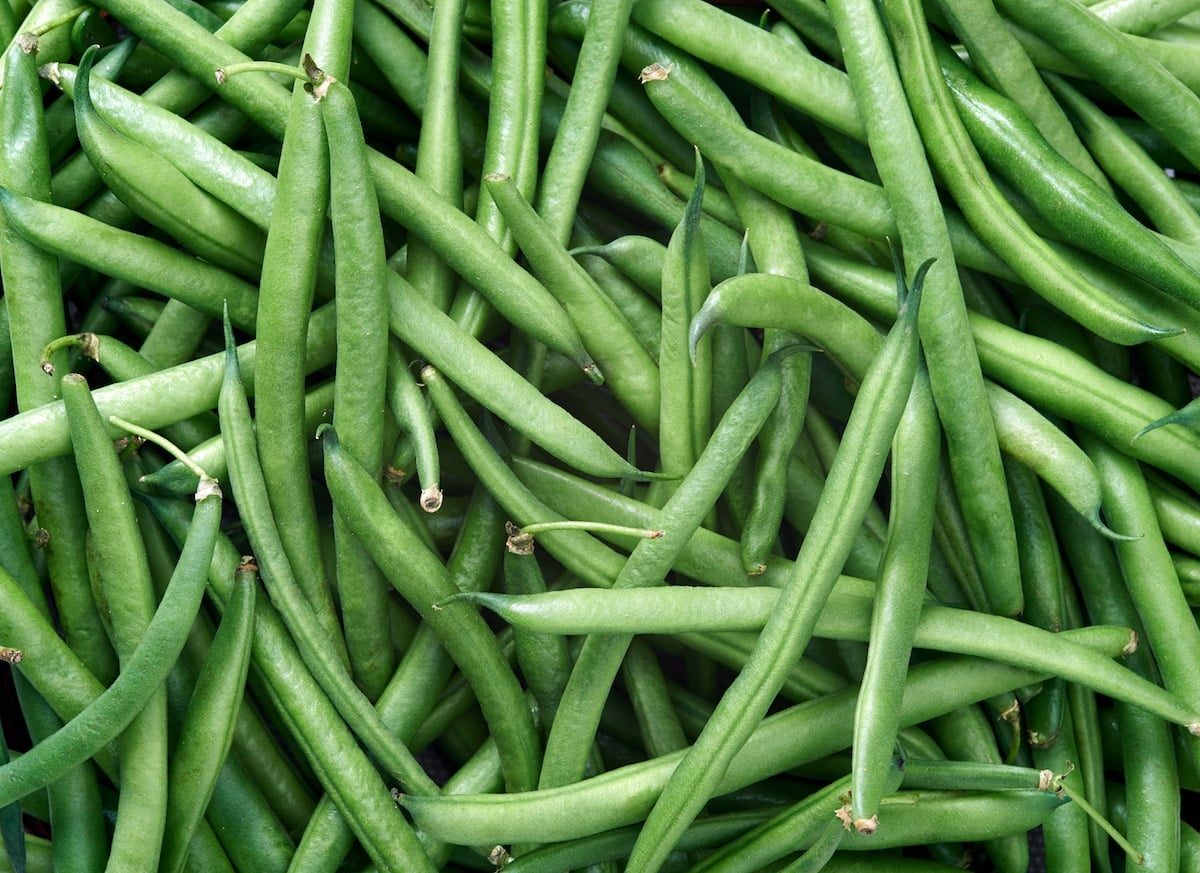
Green beans have a mild, grassy flavor that takes seasoning well. Oregon State University Extension’s Food Hero recipe roasts them with oil, salt and black pepper, and suggests garlic powder, lemon zest or Parmesan as the next step.1 The Woks of Life family’s garlic green beans blister them in a hot wok and finish them with five cloves of garlic.2 This page covers what each seasoning does, how the named recipes use it, and a few directions beyond the basics. Quantities appear only where a named recipe gives them.
At a glance
| Seasoning | What it does for green beans | Where it comes from |
|---|---|---|
| Garlic or garlic powder | Pungent, savory depth | Food Hero; Woks of Life12 |
| Onion or onion powder | Sweet, savory base | Kitchen option |
| Chili powder | Mild heat with cumin and oregano | Kitchen option |
| Basil | Sweet herbal aroma, added at the end | Kitchen option |
| Pesto | Basil, garlic, cheese and nuts in one | A classic vegetable topping3 |
| Lemon zest or juice | Brightness | Suggested by Food Hero14 |
| Sesame seeds | Nutty flavor and crunch | Japanese and Korean dishes5 |
| Summer savory | Peppery herb used especially for bean dishes in German cooking | Duden; Katzer67 |
| Lemon thyme | Thyme with a lemon edge | Penn State Extension8 |
Two baselines: roasted and wok-blistered
| Food Hero roasted green beans1 | Woks of Life garlic green beans2 | |
|---|---|---|
| Beans | 1 pound | 1 pound, trimmed |
| Fat | 1 tablespoon vegetable oil | 3 tablespoons neutral oil |
| Seasoning | 1/8 teaspoon each salt and black pepper | 5 cloves garlic, finely chopped; salt to taste |
| Method | 425°F for 15 to 18 minutes | Blanched 2 minutes, blistered in a hot wok about 2 minutes, then garlic stir-fried about 1 minute |
| Suggested extras | Garlic powder, lemon zest or Parmesan | None |
The Woks of Life’s Sichuan dry-fried green beans go further: the beans are seared in a dry wok, then finished with ground pork, 2 garlic cloves, 2 dried red chiles, sui mi ya cai, soy sauce, Shaoxing wine, a pinch of sugar and sesame oil.9
Garlic and onion
Garlic belongs to the amaryllis family and has a powerful onionlike aroma and pungent taste;10 the onion, Allium cepa, is in the same family.11 Both baseline recipes reach for garlic: Food Hero suggests garlic powder for roasting,1 and the Woks of Life recipe uses five chopped cloves, added after the beans have blistered and stir-fried just until golden.2
Fresh, powdered or crushed garlic all work; the choice is a matter of method and preference. For swapping between them, NDSU Extension gives 1/8 teaspoon of garlic powder for one medium clove.12 America’s Test Kitchen found that garlic powder straight from the jar has not developed its full flavor and recommends hydrating it in water first.13 Onion, fresh or powdered, plays the same savory role (kitchen option). See garlic powder vs. garlic and onion powder vs. onion.
Chili powder
American chili powder is a blend: Saveur describes it as dried chiles, usually ancho, with oregano, cumin, garlic and sometimes salt,14 and the USDA’s commercial specification lists ground chili pepper, cumin, oregano, salt and garlic powder.15 It traces to Texas; William Gebhardt of New Braunfels ground chili peppers, cumin seed, oregano and black pepper through an old hammer mill.16 On green beans it adds mild heat and a savory, cumin-led warmth (kitchen option, not from a named recipe). See chili powder and paprika vs. chili powder.
Basil and pesto
Basil is an annual herb of the mint family.17 It is a delicate herb: the LSU AgCenter advises adding delicate herbs such as basil a minute or two before the end of cooking,18 and America’s Test Kitchen recommends chopping basil and adding it just before serving.19 Use fresh basil and toss it with the beans off the heat.
Pesto does the whole job at once. Britannica describes pesto alla genovese as basil, pine nuts, garlic, grated Parmesan and olive oil, commonly used as a topping for pasta, vegetables, poultry, fish and bread.3 Toss it with hot steamed or roasted beans; no other seasoning is needed (cooking judgment). See basil uses and cooking with basil.
Lemon
Food Hero suggests lemon zest for roasted green beans and lemon juice among the seasonings for roasted vegetables in general.14 Squeeze juice over the beans just before serving, or scatter zest; both brighten the beans and tie other seasonings together (kitchen judgment). Food Hero lists lemon zest alongside garlic powder and Parmesan as options.1 See lemon pepper.
Sesame seeds
Toasted sesame adds crunch and a light nutty flavor. Katzer notes that toasted sesame is often sprinkled over Japanese and Korean dishes, and that its toasted flavor compounds form only during toasting.5 Goma-ae, a Japanese dish of vegetables in a sesame dressing,20 works with green beans as well as asparagus (kitchen option). The Woks of Life’s dry-fried beans finish with 1 teaspoon of sesame oil.9 See black vs. white sesame seeds and gomasio.
Herbs with a long bean tradition
- Summer savory. Its German name, Bohnenkraut, means “bean herb,” and Duden defines it as a seasoning used especially for bean dishes.6 Katzer suggests combining savory with hyssop for rustic bean or potato recipes.7 See summer savory uses and winter savory uses.
- Lemon thyme. Penn State Extension says lemon thyme goes nicely with summer grilled vegetables, green beans among them.8 See lemon thyme uses.
Related
- Green bean casserole spices
- Spices for asparagus, spices for broccoli and spices for cauliflower
- Fresh vs. dried herbs
- The master list of herbs and spices
Footnotes
-
“Roasted Green Beans”, Food Hero, Oregon State University Extension Service. foodhero.org · Reference work ↩ ↩2 ↩3 ↩4 ↩5 ↩6 ↩7
-
Sarah Leung, “Garlic Green Beans”, The Woks of Life, 2024. thewoksoflife.com · Publication ↩ ↩2 ↩3 ↩4
-
Gregory Lewis McNamee, “Pesto”, Encyclopaedia Britannica. britannica.com · Reference work ↩ ↩2
-
“Roasted Vegetables”, Food Hero, Oregon State University Extension Service. foodhero.org · Reference work ↩ ↩2
-
“Sesame (Sesamum indicum)”, Gernot Katzer’s Spice Pages. gernot-katzers-spice-pages.com · Reference work ↩ ↩2
-
“Savory (Satureja hortensis L., S. montana L.)”, Gernot Katzer’s Spice Pages. gernot-katzers-spice-pages.com · Reference work ↩ ↩2
-
Mandy L. Smith and Susan Marquesen, “Lemon-Scented Herbs in the Garden and the Kitchen”, Penn State Extension. extension.psu.edu · Reference work ↩ ↩2
-
Judy Leung, “Sichuan Dry Fried Green Beans”, The Woks of Life. thewoksoflife.com · Publication ↩ ↩2
-
“Garlic”, Encyclopaedia Britannica. britannica.com · Reference work ↩
-
“Allium cepa L.”, Plants of the World Online, Royal Botanic Gardens, Kew. powo.science.kew.org · Reference work ↩
-
Julie Garden-Robinson, “Ingredient Substitutions” (FN198), NDSU Extension. ksre.ksu.edu · Reference work ↩
-
Carolyn Grillo, “For Great Garlic Bread, Hydrate Your Garlic Powder First”, America’s Test Kitchen, 2021. americastestkitchen.com · Publication ↩
-
“Chili Powder”, Saveur, 2009. saveur.com · Publication ↩
-
Commercial Item Description A-A-20001C: Spices and Spice Blends, USDA Agricultural Marketing Service, 2023. ams.usda.gov · Regulator ↩
-
Lindsey Carnett, “Chili powder has its roots in New Braunfels”, New Braunfels Herald-Zeitung, 2019. herald-zeitung.com · Publication ↩
-
“Basil”, Encyclopaedia Britannica. britannica.com · Reference work ↩
-
“Flavorful Herbs”, LSU AgCenter. lsuagcenter.com · Reference work ↩
-
“Chopping and Using Fresh Basil”, America’s Test Kitchen. americastestkitchen.com · Publication ↩
-
Hiroko Liston, “Creamy ‘Goma-ae’ Asparagus”, Hiroko’s Recipes. hirokoliston.com · Publication ↩