Blog · Profile
Chilean Spices: Merkén, Pebre, Boldo, Cumin and Oregano
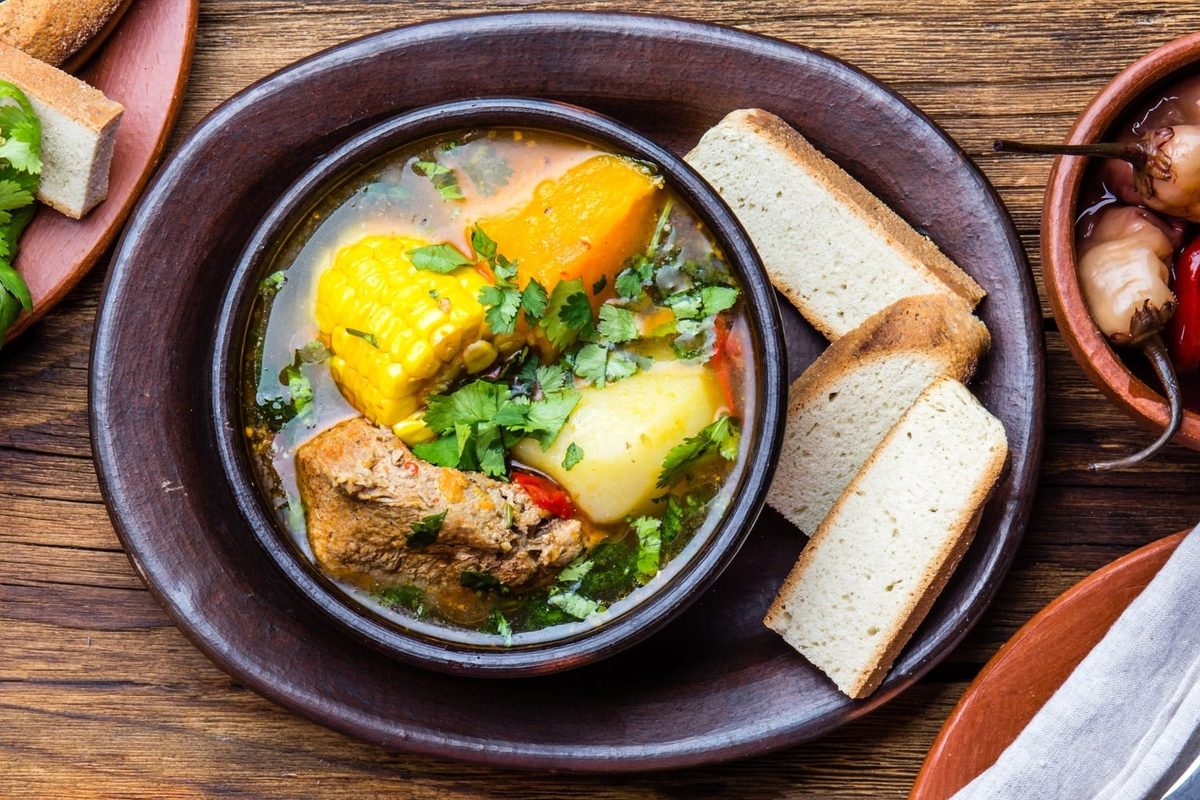
Chilean cooking leans on a few strong flavors rather than long spice lists: the smoked chile blend merkén, the fresh cilantro salsa pebre, cumin, oregano, and, in some kitchens, the bay-like leaf of the native boldo tree. This page covers each, with what the sources say and links to related profiles.
At a glance
| Seasoning | What it is | What it brings | Typical use |
|---|---|---|---|
| Merkén | Dried, smoked cacho de cabra chile ground with toasted coriander seed and salt1 | Smoky aroma with balanced heat1 | Seasoning meat; stirred into pebre2 |
| Pebre | Fresh salsa of tomato, onion, cilantro, chile, oil, lemon juice and salt3 | Fresh, sharp, mildly hot | With bread, meats and empanadas3 |
| Boldo | Leaf of Peumus boldus, a tree native to central and southern Chile4 | Camphor-like and slightly bitter5 | Like bay leaf in fish and sauces;5 herbal medicine6 |
| Cumin | Dried seed | Earthy warmth | Savory stews and meats (common practice) |
| Oregano | Dried leaf | Herbal, slightly bitter | Stews and meat dishes (common practice) |
Measured values
2 figures, sourced| Measure | Value | Scope | Source |
|---|---|---|---|
| Boldo leaf essential oil | about 2 % of leaf | boldo (Peumus boldus) leaves (Katzer) | gernot-katzers-spice-pages.com |
| Boldo oil: ascaridole | about 40 % of oil | boldo leaf oil (Katzer) | gernot-katzers-spice-pages.com |
Each figure is quoted as its source states it, with the samples or standard it applies to. Where sources differ, both are shown; nothing is averaged. All measured values
Merkén
Merkén is the most distinctively Chilean seasoning on the list. Two Chilean news outlets, writing when the food guide Taste Atlas ranked it the world’s best condiment in December 2024, describe it the same way: a seasoning of Mapuche origin made from dried, smoked ají cacho de cabra (“goat’s horn” chile), ground with toasted coriander seed and salt.12 CNN Chile adds that the dried chiles are smoked by hanging them from the ceiling over a wood fire, and that the coriander seed in the blend is smoked too.2
The chile itself, PepperScale says, is native to Chile and one of the most commonly used peppers in Chilean cooking, fresh and dried. It gives cacho de cabra a low to medium heat of 1,000 to 5,000 Scoville heat units, a figure it attributes no method to, and describes its flavor as sweet, fruity and smoky.7
Neither source lists cumin, which is sometimes given as a merkén ingredient; commercial blends vary, so check the label. Emol describes the flavor as a smoky aroma with a balanced level of heat.1 CNN Chile says it is used to season meat, sprinkled on pizza and mixed into pebre.2 PepperScale adds soups, stews and even bread.7 El Mostrador notes that versions of pebre made with merkén are found in the south.3
To our taste, merkén sits between chipotle powder and smoked paprika: smoky like both, hotter than paprika, and with a citrusy lift from the coriander. The often-repeated story that merkén stayed obscure because it was seen as a working-class spice is not supported by any source we found.
Pebre
Pebre is Chile’s everyday table salsa. El Mostrador gives the traditional version as tomato, onion, cilantro, green chile (ají verde), oil, lemon juice and salt, and says it is a usual accompaniment to bread, meats and empanadas.3 The name comes from the Catalan word pebre, meaning pepper.3
Recipes vary. A 2026 recipe from Directo al Paladar uses red chile, green bell pepper, tomato, fresh cilantro, garlic, extra virgin olive oil, white wine vinegar, lemon, salt and black pepper.8 Neither source calls for ají amarillo, the Peruvian chile; the chile in pebre is a local green or red ají.38 Its role on the plate is much like chimichurri’s in Argentina: a sharp, fresh sauce to cut rich grilled meat. That comparison is cooking judgment.
See cilantro, cooking with cilantro and cilantro substitutes.
Boldo
Boldo is the leaf of Peumus boldus, a tree of the Monimiaceae family that Kew lists as native to central and southern Chile.4 Katzer describes the leaves as aromatic, reminiscent of camphor and cinnamic acid, and slightly bitter.5 Their essential oil, about 2% of the leaf, is about 40% ascaridole, a compound he says is rarely found in culinary plants, along with 1,8-cineole and other terpenes.5
In the kitchen. Katzer calls boldo almost unknown outside the kitchens of indigenous peoples in South America.5 He suggests using it in place of bay leaves, in slightly smaller amounts because it is strong, and recommends it for fish, sauces and gravies, mushrooms and pickled vegetables.5 We found no source showing that boldo is a common ingredient in Chilean recipes generally.
As an herbal medicine. Boldo leaf is also sold as an herbal medicine. The European Medicines Agency’s herbal committee accepts boldo leaf preparations, on the basis of long-standing traditional use only, for relief of indigestion and mild gut spasms in adults; there are no clinical studies in patients.6 The EMA says these medicines must not be used by people with bile duct obstruction, inflammation of the bile ducts, liver disease, or gallstones and other bile duct disorders that need medical supervision, and that allergic reactions have been reported.6 That guidance covers medicinal preparations rather than a leaf in a stew; anyone with liver or gallbladder problems should check with a doctor before drinking boldo tea.
See bay leaves and bay leaf substitutes.
Cumin
Britannica describes cumin as especially popular in Asian, North African and Latin American cuisines.9 In Chile it seasons stews, meat fillings and roast pork; that is common practice. We could not confirm, in any source we reviewed, the specific dishes often named for it, such as cazuela or pernil. See cumin, cumin uses and coriander vs. cumin.
Oregano
Dried oregano is a common seasoning in Chilean stews and meat dishes; that is common practice. A widely repeated claim says Chilean cooks favor Mexican oregano. We found no source for it. Mexican oregano is Lippia graveolens, which Britannica places in a different botanical family (Verbenaceae) from true oregano.10 See oregano, Mexican oregano and Mexican oregano vs. oregano.
Related pages
- Peruvian spices and Spanish spices
- Chipotle powder and smoked paprika
- Coriander
- The master list of herbs and spices
Footnotes
-
F. Fernández, “Merkén elegido como el mejor condimento del mundo”, Emol, 2024. emol.com · Publication ↩ ↩2 ↩3 ↩4
-
Daniela Pérez, “Merkén chileno es elegido como mejor condimento del mundo por Taste Atlas”, CNN Chile, 2024. cnnchile.com · Publication ↩ ↩2 ↩3 ↩4
-
Revista Jengibre, “El origen del pebre y sus beneficios para la salud”, El Mostrador, 2025. elmostrador.cl · Publication ↩ ↩2 ↩3 ↩4 ↩5 ↩6
-
Peumus boldus Molina, Plants of the World Online, Royal Botanic Gardens, Kew. powo.science.kew.org · Reference work ↩ ↩2
-
Gernot Katzer, Boldo leaves (Peumus boldus), Gernot Katzer’s Spice Pages. gernot-katzers-spice-pages.com · Reference work ↩ ↩2 ↩3 ↩4 ↩5 ↩6
-
Boldi folium (boldo leaf), European Medicines Agency. ema.europa.eu · Regulator ↩ ↩2 ↩3
-
Matt Bray, Cacho de Cabra Guide: Heat, Flavor, Uses, PepperScale. pepperscale.com · Publication · PepperScale is also owned by Matt Bray, the editor of this site. ↩ ↩2
-
Inés Vazquez Noya, “Pebre chileno, receta tradicional”, Directo al Paladar, 2026. directoalpaladar.com · Publication ↩ ↩2
-
“Cumin”, Encyclopaedia Britannica. britannica.com · Reference work ↩
-
Anoushka Pant, “Oregano”, Encyclopaedia Britannica. britannica.com · Reference work ↩