Seasonings · Profile
Malaysian Curry Powder: Meat and Fish Blends, What’s in Them, and How They’re Used
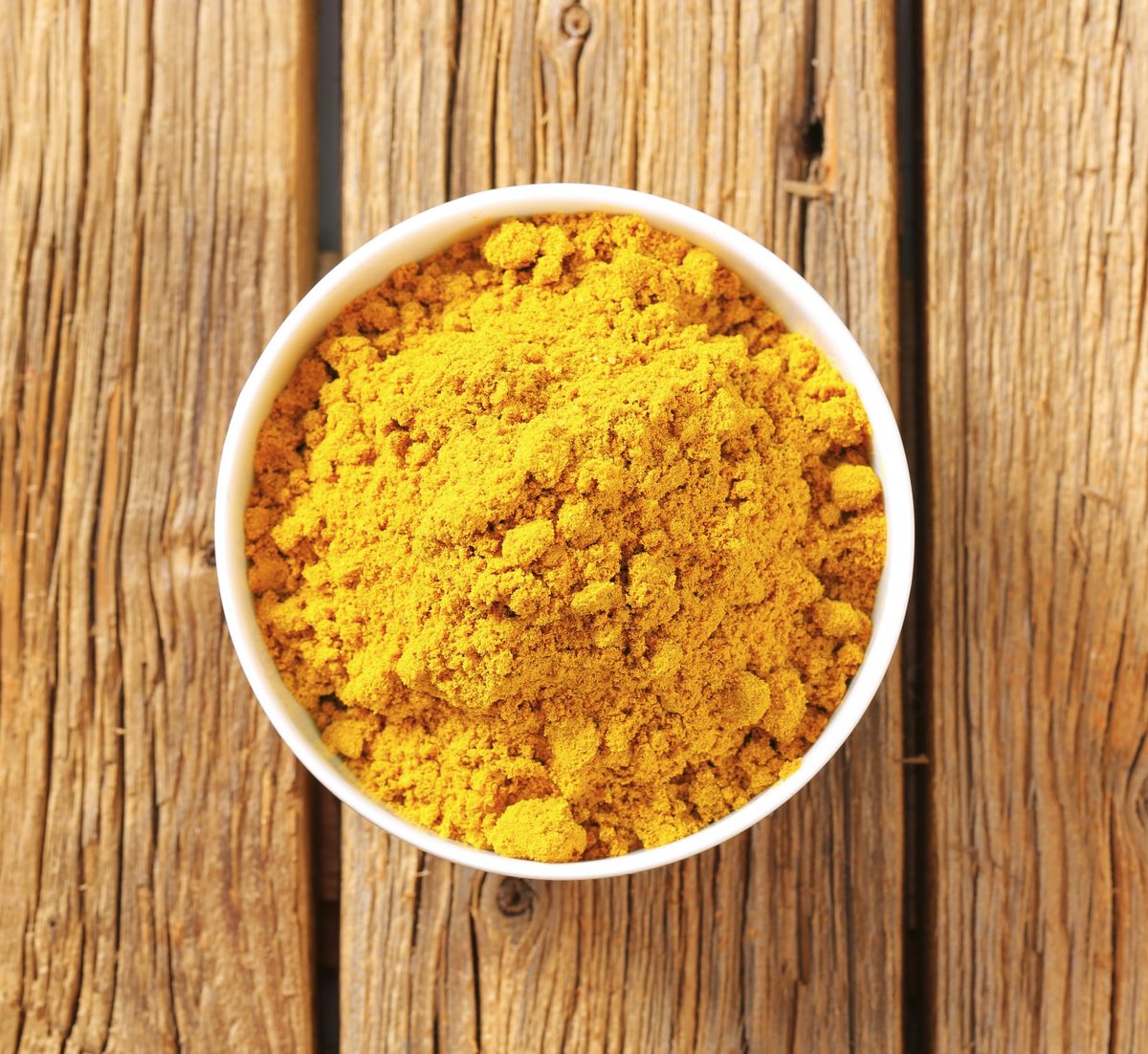
Malaysian curry powder is a ground spice blend for Malaysian curries, built mainly on coriander and chile with cumin, fennel and turmeric. Some brands, Baba’s among them, sell it in separate versions for meat and for fish, and the two differ in their spices.12 There is no single recipe. This page compares published ingredient lists, covers what can be documented about its background, and explains how it is used.
At a glance
| What it is | A ground blend for Malaysian curries, sold by some brands as meat or fish curry powder12 |
| Leading ingredients on the labels checked | Coriander, then chile12 |
| Other common spices | Cumin, fennel, turmeric, black and white pepper12 |
| Regulated in Malaysia | Yes: the Food Regulations 1985 include a standard for curry powder (regulation 333A)3 |
| Typical partners in the pot | Coconut milk, garlic, onion or shallots, ginger, lemongrass4 |
| Fixed recipe? | No; curry powder has never had a set combination of spices5 |
What’s in it
The two labels below are both from Baba’s, a Malaysian brand, as transcribed by two retailers. A bylined home recipe for chicken curry, which uses whole and ground spices instead of a ready-made powder, is set beside them, along with the U.S. government’s minimum list for curry powder in general.
| Ingredient | Baba’s Meat Curry Powder2 | Baba’s Fish Curry Powder1 | Kari ayam spices, Wok & Skillet4 | USDA minimum for curry powder6 |
|---|---|---|---|---|
| Coriander | Yes (first listed) | Yes (first listed) | 1 Tbsp seeds | Yes |
| Chile | Yes | Yes | 4 dried and 4 fresh red chilies | |
| Cumin | Yes | Yes | 1 tsp seeds | Yes |
| Fennel | Yes | Yes | 1 tsp seeds | |
| Turmeric | Yes | Yes | Fresh root or 2 tsp ground | Yes |
| Black pepper | Yes | Yes | ½ tsp peppercorns | Yes |
| White pepper | Yes | Yes | ||
| Fenugreek | Yes | Yes | ||
| Cinnamon | Yes | 1 stick, whole | Yes | |
| Cardamom | Yes | 4 pods, whole | Yes | |
| Star anise | Yes | 2, whole | ||
| Cloves | Yes | 3, whole | ||
| Nutmeg | Yes | |||
| Bay leaf | Yes | |||
| Ginger | Fresh ginger or galangal | Yes | ||
| Dhall (lentils) and rice | Yes | Yes |
Meat versus fish. On these two labels, the fish blend lists fenugreek and leaves out the cinnamon, cardamom, star anise, cloves, nutmeg and bay leaf that the meat blend lists.12 No source checked explains the reasoning, so this page does not offer one. One caution: the retailer that transcribed the meat-curry list also shows an implausible ingredient list (“100% groundnuts”) for the fish-curry product, so treat its transcriptions with some care and check the packet.
Chile near the top. Both Baba’s labels list chile second, right after coriander.12 The USDA minimum list for curry powder includes no chile at all.6
Malaysian rules. Malaysia’s Food Regulations 1985 contain a specific standard for curry powder, regulation 333A, next to one for mixed spice.3 The text of the standard was not available in the copy checked, so its requirements could not be confirmed for this page.
Flavor
Somerset Foodie, a retailer, describes Baba’s fish curry powder as warm rather than aggressive, aromatic rather than one-dimensional.1 To us, a meat curry powder of this kind smells of toasted coriander and fennel first, with chile heat and the sweet spices (cinnamon, star anise, clove) behind; a fish curry powder is sharper and more savory. That is our description. A widely repeated line says Malaysian curry powder is dominated by sweet and savory notes with sweetness from cinnamon and cardamom; on the labels above, that fits the meat blend but not the fish blend.
Background
A curry powder, not a masala. Britannica says curry powder was adapted by British settlers in India, while in traditional Indian cookery spice mixtures are called masala and made at home.7 Malaysian curry powder belongs to the curry-powder side of that line: a commercial, ready-ground blend. It is not a variant of garam masala, which is a different blend.
The British in Penang and Malacca. Britannica dates the British settlement at Penang to 1786. The Straits Settlements comprised four trade centers, Penang, Singapore, Malacca and Labuan; the first three were made a crown colony in 1867, and the colony was broken up in 1946.8
Several common claims could not be traced to a source we could open: that Malaysia’s love of spice comes from its centuries as a hub of the spice trade, that Malaysian curry powder blends British preferences with Indian technique, and that its popularity reflects the sharing of recipes between Malay, Chinese and Indian communities. They may be fair, but this page does not present them as fact.
How it is used
In curries with coconut milk. Wok & Skillet’s kari ayam (Malaysian chicken curry) cooks a ground spice paste and whole spices with coconut milk, water, chicken and potatoes, and serves the curry with rice, roti jala or white bread.4 The spice paste also carries onion or shallots, garlic, ginger or galangal, lemongrass and candlenuts.4 A powder replaces the dry spices in a recipe like this, not the fresh aromatics; that is kitchen practice.
Meat or fish. Veena’s describes Baba’s meat curry powder as made for traditional meat dishes,2 and Somerset Foodie calls the fish curry powder a Malaysian kitchen essential.1 Use the blend that matches the dish.
Technique. Like other curry powders, it is usually fried in oil before liquid goes in. America’s Test Kitchen recommends blooming ground spices in fat for anywhere from 30 seconds to several minutes.9 Many cooks mix the powder with a little water into a paste first so it does not scorch; that is common practice, not a sourced finding.
Claims that Malaysian curry powder is used for beef satay, and that recipes calling for it usually add belacan, could not be confirmed from sources checked.
Buying and storage
- Meat or fish. Check which one the package says; the spice lists differ.12
- Read the full label. Some blends include lentils (dhall) and rice.12
- Storage. The University of California Cooperative Extension lists air, light, moisture and heat as what speeds flavor and color loss in spices.10 Keep the powder sealed and cool. No shelf-life figure from a regulator or standards body was found.
Safety
Lead in spices. A ten-year review of spice samples tested by the New York City health department found detectable lead in more than half of them.11 The abstract does not break the results out by blend. See turmeric for the lead-chromate problem in that spice.
Health claims
Curry powders are often credited with supplying iron, vitamin C and fiber and with preventing constipation, heart disease and colorectal cancer. None of these claims for the blend could be supported from sources reviewed for this page. On two of its spices: NCCIH says there is not enough evidence to conclude that turmeric or curcumin is beneficial for any health purpose,12 and that research on fenugreek and blood sugar includes many studies that were not of high quality.13 This page makes no health claim for Malaysian curry powder.
Substitutes and comparisons
- Curry powder, the general profile, and cooking with curry powder
- Other styles: Madras, Jamaican, Japanese and vindaloo curry powders
- Curry paste vs. curry powder and garam masala vs. curry powder
- Is curry powder spicy? and too much curry powder
- The spices: coriander, cumin, fennel seed, turmeric, star anise, cardamom, cinnamon, cloves, fenugreek
- Fresh aromatics in Malaysian curries: lemongrass, galangal, curry leaves
Footnotes
-
Baba’s Malaysian Fish Curry Powder, Somerset Foodie (retailer product page). somersetfoodie.com · Merchant ↩ ↩2 ↩3 ↩4 ↩5 ↩6 ↩7 ↩8 ↩9 ↩10 ↩11
-
Baba’s Meat Curry Powder, Veena’s (retailer product page). veenas.com · Merchant ↩ ↩2 ↩3 ↩4 ↩5 ↩6 ↩7 ↩8 ↩9 ↩10
-
Food Regulations 1985, P.U.(A) 437/1985, Laws of Malaysia (contents, updated to January 2014). importlicensing.wto.org · Regulator ↩ ↩2
-
Char Ferrara, “Malaysian Chicken Curry (Kari Ayam)”, Wok & Skillet. wokandskillet.com · Publication ↩ ↩2 ↩3 ↩4
-
Rohini Chaki, “The Subversive, Surprising History of Curry Powder”, Atlas Obscura, 2019. atlasobscura.com · Publication ↩
-
Commercial Item Description A-A-20001C, Spices and Spice Blends, USDA Agricultural Marketing Service, 2023. ams.usda.gov · Regulator ↩ ↩2
-
“Curry”, Encyclopaedia Britannica, 2026. britannica.com · Reference work ↩
-
“Straits Settlements”, Encyclopaedia Britannica. britannica.com · Reference work ↩
-
“How to Bloom Spices”, America’s Test Kitchen, 2023. americastestkitchen.com · Publication ↩
-
Add a Little Spice to Your Life! Part II, University of California Cooperative Extension. ucanr.edu · Reference work ↩
-
Hore et al., “A Spoonful of Lead”, Journal of Public Health Management and Practice, 2019. scholars.mssm.edu · Peer-reviewed ↩
-
“Turmeric: Usefulness and Safety”, National Center for Complementary and Integrative Health, 2025. nccih.nih.gov · Regulator ↩
-
“Fenugreek”, National Center for Complementary and Integrative Health, 2025. nccih.nih.gov · Regulator ↩