Cooking · Dish guide
Good Spices for Chinese Food: Ginger, Garlic, Sichuan Pepper, Chiles, Star Anise and Five-Spice
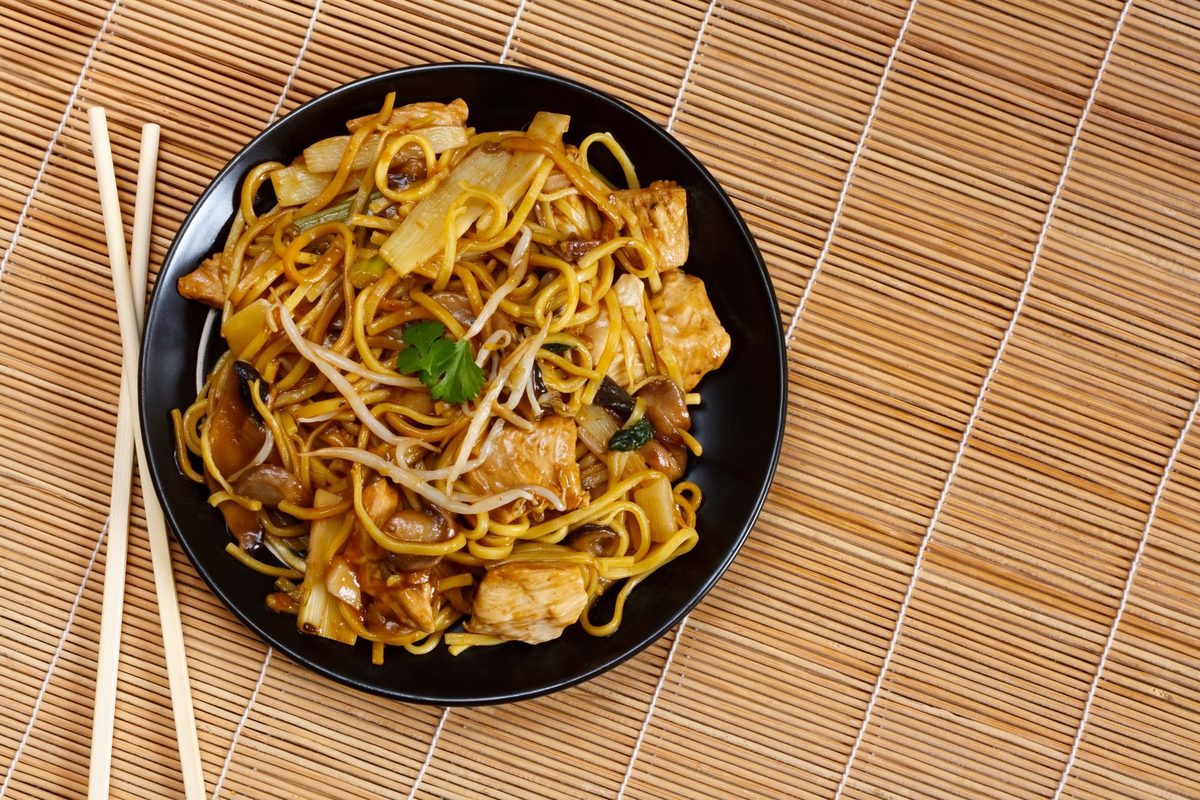
There is no single Chinese way of seasoning food. China has many regional cuisines, and they season very differently: Cantonese cooking is mild and fresh, built on scallion, ginger and garlic, while Sichuan and Hunan cooking are built on chiles.1 The seasonings below are the ones that recur in the regional guide and named recipes cited here: ginger, garlic and scallion as an aromatic base, soy sauce and Shaoxing wine as liquid seasonings, and dried spices such as Sichuan pepper, star anise, cassia, fennel and cloves, the usual components of five-spice powder.2 This page covers what each does, how the regional styles differ, and the named recipes that show them in use.
At a glance
| Seasoning | Job | Where it stands out |
|---|---|---|
| Ginger, garlic, scallion | Aromatic base | Cantonese “holy trinity”1 |
| Sichuan pepper | Tingling, numbing sensation (ma) | Sichuan mala cooking13 |
| Dried chiles and chili oil | Heat (la) | Sichuan, Hunan1 |
| Star anise | Sweet, licorice-like warmth in braises | Red-braised pork4 |
| Five-spice powder | Blended warm spice for meat | Marinades and dry rubs5 |
| Cumin | Earthy warmth with lamb | Xinjiang cumin lamb6 |
| Soy sauce | Salt, savor and color | Everywhere; dark soy for color7 |
| Shaoxing wine | Flavor; tames gaminess in meat | Marinades, braises, fillings8 |
| Toasted sesame oil | Aroma, added at the end | Finishing oil7 |
Regional styles side by side
Michael A. Gardiner’s guide to regional Chinese food for Tasting Table argues that Chinese food is many cuisines, not one, and describes them this way:1
| Region | Character, per Gardiner1 | Seasonings he names |
|---|---|---|
| Cantonese (Guangdong) | Mild, fresh, natural, slightly sweet | Scallions, ginger and garlic, “the holy trinity of Cantonese cuisine” |
| Sichuan | Bold and spicy, known as mala | Chiles with numbing Sichuan peppercorns |
| Hunan | Dry, direct chile heat with sourness | Dried chiles, sour flavors, garlic, shallots, smoked meats |
| Jiangsu (Su) | Umami, balanced with sweet and salty | |
| Zhejiang (Zhe) | Fresh and light, seafood-focused | Bamboo shoots and Shaoxing wine |
| Anhui (Hui) | Hearty, rustic | Wild herbs, chiles; red braising with soy sauce and rock sugar |
| Fujian (Min) | Light and fresh, leaning sweet and sour | Herbs and spices |
| Shandong (Lu) | Salty and crispy, with seafood and wheat noodles | |
| Shaanxi (Xi’an) | Wheat noodles and lamb |
Farther west, cumin is the defining spice of Xinjiang’s cumin lamb; The Woks of Life’s version uses 2 tablespoons of cumin seeds.6 See cumin uses.
The aromatic base: ginger, garlic and scallion
Gardiner calls scallions, ginger and garlic the holy trinity of Cantonese cooking.1 The Woks of Life’s glossary of Chinese aromatics says ginger is used extensively in Chinese cooking, calls garlic a universal ingredient, and notes that most of the family’s green vegetables are simply stir-fried with oil, garlic and salt.9 Katzer adds that Chinese cooks use fresh ginger both boiled and fried.10 See garlic vs. ginger, cooking with ginger and chives vs. green onions.
Sichuan pepper: the numbing spice
Britannica describes Sichuan pepper as the dried papery fruit husks of several species of prickly ash (Zanthoxylum), in the rue and citrus family.11 Its effect is a sensation rather than heat: Katzer describes a strangely numbing, almost anesthetic feeling on the tongue, names the combination with chiles ma la, “hot-and-numbing,” and says the two kinds of hotness complement each other.3
Mapo tofu is the best-known example. A common claim says the ma in its name means “numbing”; The Woks of Life translates the name roughly as “pockmarked grandma’s tofu.”12 Kaitlin’s recipe for The Woks of Life uses ground Sichuan peppercorns with fresh and dried red chiles, minced ginger and garlic, and spicy bean sauce (doubanjiang).12 See Szechuan pepper and Szechuan pepper substitute.
Chiles and chili oil
Gardiner describes Hunan cooking as built on chile heat, particularly from dried chiles, along with sour flavors and garlic.1 The Woks of Life calls red chili oil a popular condiment for noodles, fried rice and dumplings that can also be used in cooking,7 and its own chili oil recipe infuses the oil with whole spices including 5 star anise.13 Doubanjiang, made with chiles and fermented broad beans, is another chile seasoning; the same glossary describes it as chunky, savory, spicy and salty.7 See red pepper flakes.
Star anise and the braising spices
Kew’s species profile says star anise is generally used in pork and chicken dishes in China.14 Judy Leung’s red-braised pork belly for The Woks of Life uses 2 star anise and calls it an indispensable spice for the dish.4 Red braising with soy sauce and rock sugar is also how Gardiner characterizes Anhui cooking.1 See cooking with star anise and star anise uses.
Buy Chinese star anise (Illicium verum) sold as a food (our advice). The FDA has warned that Japanese star anise has long been recognized as toxic, and in 2003 it linked teas made from star anise to illnesses in about 40 people.15
Five-spice powder
Britannica describes five-spice powder as a blend of Chinese origin, typically fennel seeds, cassia (Chinese cinnamon), cloves, star anise and Sichuan pepper, though many variations exist, with licorice base notes, sweet top notes and the slightly numbing effect of Sichuan pepper.2 The Woks of Life’s homemade version uses 2 tablespoons of fennel seeds, 1 tablespoon each of ground cassia and Sichuan peppercorns, 4 star anise and 1 teaspoon of cloves, and calls the fifth spice a bit of a wild card between ginger, white pepper and Sichuan peppercorns.16
The Woks of Life says five-spice is best on meat, especially fatty cuts, and is often found in Chinese marinades and dry rubs; Cantonese restaurants also mix it with salt.5 It is strong, so start small (our advice). A common comparison likens it to India’s garam masala; both are blends of warm spices, but they are different blends and not interchangeable (our judgment). See Chinese five-spice substitute and garam masala.
Liquid seasonings: soy, Shaoxing wine, vinegar and sesame oil
Several of the most important Chinese seasonings are liquids rather than dry spices:
- Soy sauce. The Woks of Life distinguishes light soy sauce from dark soy sauce, which is thicker and darker and is the go-to for darkening noodles and fried rice.7 See too much soy sauce and soy sauce powder.
- Shaoxing wine. A rice wine from Shaoxing in Zhejiang Province and the best-known Chinese cooking wine. It goes into marinades for meat, dumpling and wonton fillings, sauces and braises, and The Woks of Life says that in meat marinades it removes some of the gaminess for a cleaner flavor.8 Bottled cooking versions have added salt.8
- Black vinegar. Chinkiang vinegar is more aromatic than regular rice vinegar, with a complex, malty taste and faint sweetness.7
- Toasted sesame oil. The Woks of Life means toasted sesame oil, dark in color, when it calls for sesame oil, and says it is usually added in small amounts toward the end of cooking.7 Katzer notes that dark sesame oil is not suitable as a frying medium unless it is diluted with another oil.17 So use a neutral oil to stir-fry and sesame oil to finish.
A note on traditional medicine
Some of these spices have traditional medicinal uses: Kew records star anise in traditional Chinese medicine as a stimulant and expectorant,14 and Britannica notes five-spice is often used there as a remedy for indigestion.2 These are traditional uses, not evidence that the spices treat anything, and nothing here suggests cooks choose them for that reason.
Related
Footnotes
-
Regional Chinese Food, Explained, Michael A. Gardiner, Tasting Table. tastingtable.com · Publication ↩ ↩2 ↩3 ↩4 ↩5 ↩6 ↩7 ↩8 ↩9
-
Five-spice powder, Tony Hill, Encyclopaedia Britannica. britannica.com · Reference work ↩ ↩2 ↩3
-
Sichuan pepper, Gernot Katzer’s Spice Pages. gernot-katzers-spice-pages.com · Reference work ↩ ↩2
-
Chairman Mao’s Red Braised Pork Belly, Judy Leung, The Woks of Life. thewoksoflife.com · Publication ↩ ↩2
-
Five Spice Powder, The Woks of Life. thewoksoflife.com · Publication ↩ ↩2
-
Cumin Lamb, Judy, The Woks of Life. thewoksoflife.com · Publication ↩ ↩2
-
Chinese Sauces, Wines, Vinegars, and Oils, The Woks of Life. thewoksoflife.com · Publication ↩ ↩2 ↩3 ↩4 ↩5 ↩6 ↩7
-
Shaoxing Wine, The Woks of Life. thewoksoflife.com · Publication ↩ ↩2 ↩3
-
Fresh Herbs & Aromatics Used in Chinese Cooking, The Woks of Life. thewoksoflife.com · Publication ↩
-
Ginger, Gernot Katzer’s Spice Pages. gernot-katzers-spice-pages.com · Reference work ↩
-
Sichuan pepper, Melissa Petruzzello, Encyclopaedia Britannica. britannica.com · Reference work ↩
-
Mapo Tofu: The Real Deal, Kaitlin, The Woks of Life. thewoksoflife.com · Publication ↩ ↩2
-
How to Make Chili Oil, Kaitlin, The Woks of Life. thewoksoflife.com · Publication ↩
-
Illicium verum, Plants of the World Online and Kew Species Profiles, Royal Botanic Gardens, Kew. powo.science.kew.org · Reference work ↩ ↩2
-
Teas Made from Star Anise Were Associated With Illnesses Including Seizures, U.S. Food and Drug Administration, 2003. fda.gov · Regulator ↩
-
How to Make Five Spice Powder, Kaitlin, The Woks of Life. thewoksoflife.com · Publication ↩
-
Sesame, Gernot Katzer’s Spice Pages. gernot-katzers-spice-pages.com · Reference work ↩